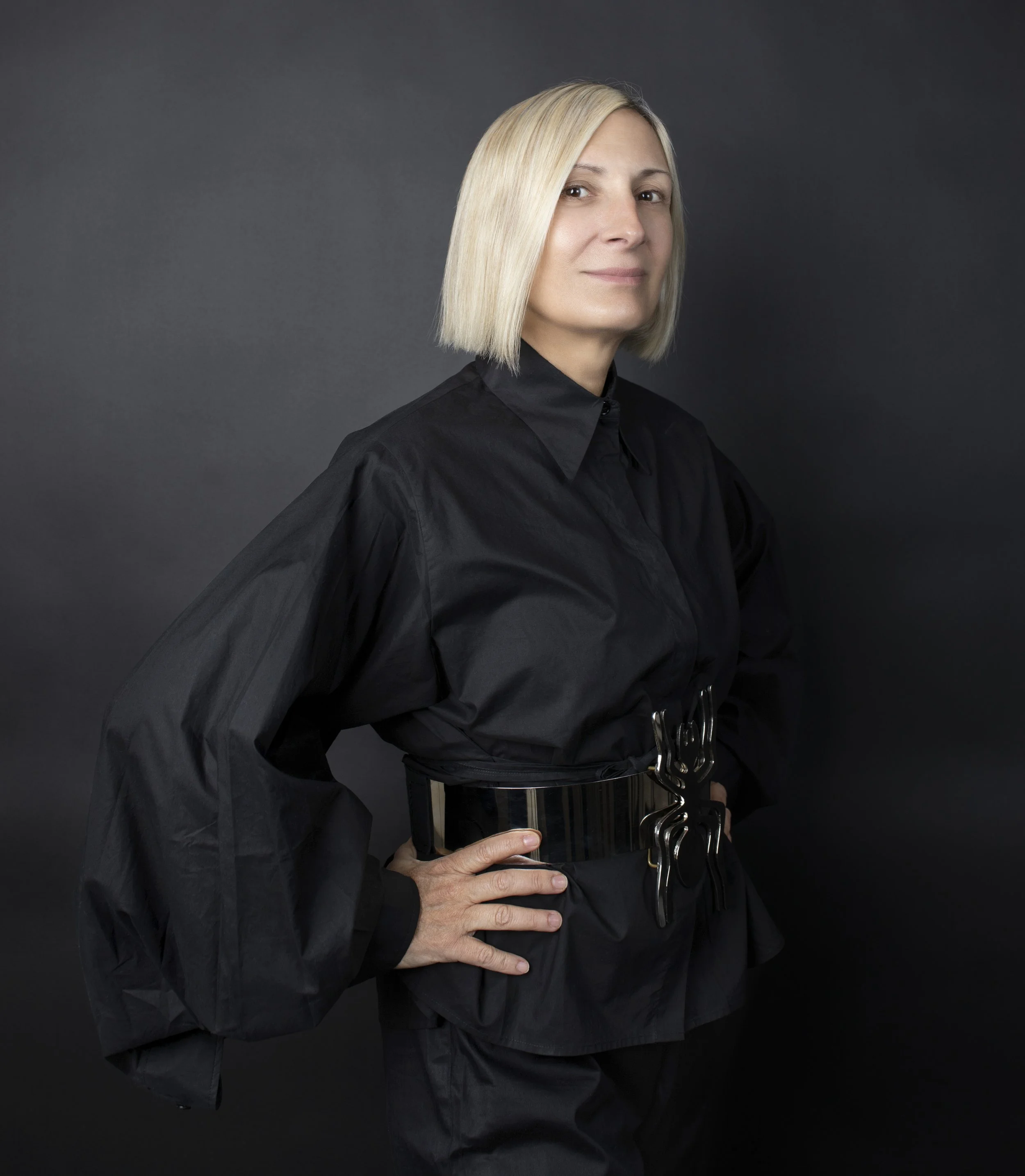
In Conversation With: Lee Broom
Lee Broom on sculptural light, collectible design and his immersive debut at Mexico City Art Week 2026
British designer Lee Broom is one of the most influential figures in contemporary lighting design, internationally recognised for his sculptural approach, Art Deco references and ability to blur the boundaries between functional objects and collectible art.

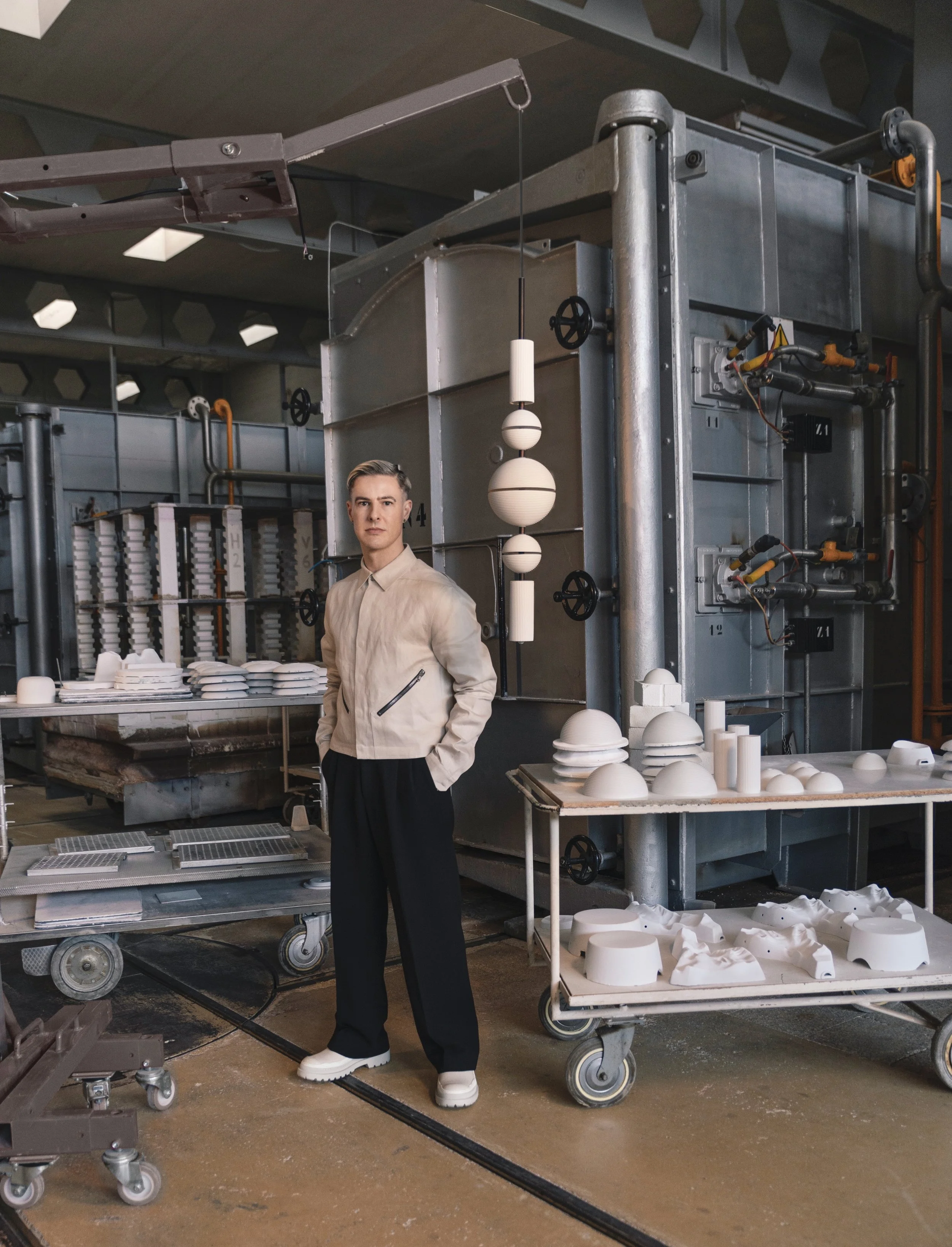
Photography, Lee Broom X Lladro
For Mexico City Art Week 2026, anchored by ZsONA MACO Broom makes his highly anticipated debut exhibition in Mexico with The Resident, an immersive installation created in collaboration with Diez Company that positions light as both cultural language and architectural intervention.
Staged inside Diez Company’s historic showroom villa in Polanco, The Resident transforms the entire house into a sculptural landscape of light, materiality and atmosphere. Taking place during Mexico City Art Week from 5–8 February 2026, before remaining on view until April, the exhibition unfolds as a temporary creative residency, with Broom reimagining the space room by room. More than 50 works are presented throughout the house, including reimagined icons, large-scale lighting statements and new finishes, culminating in the dramatic Hail Chandelier cascading through the villa’s central atrium in a vertical composition of light.
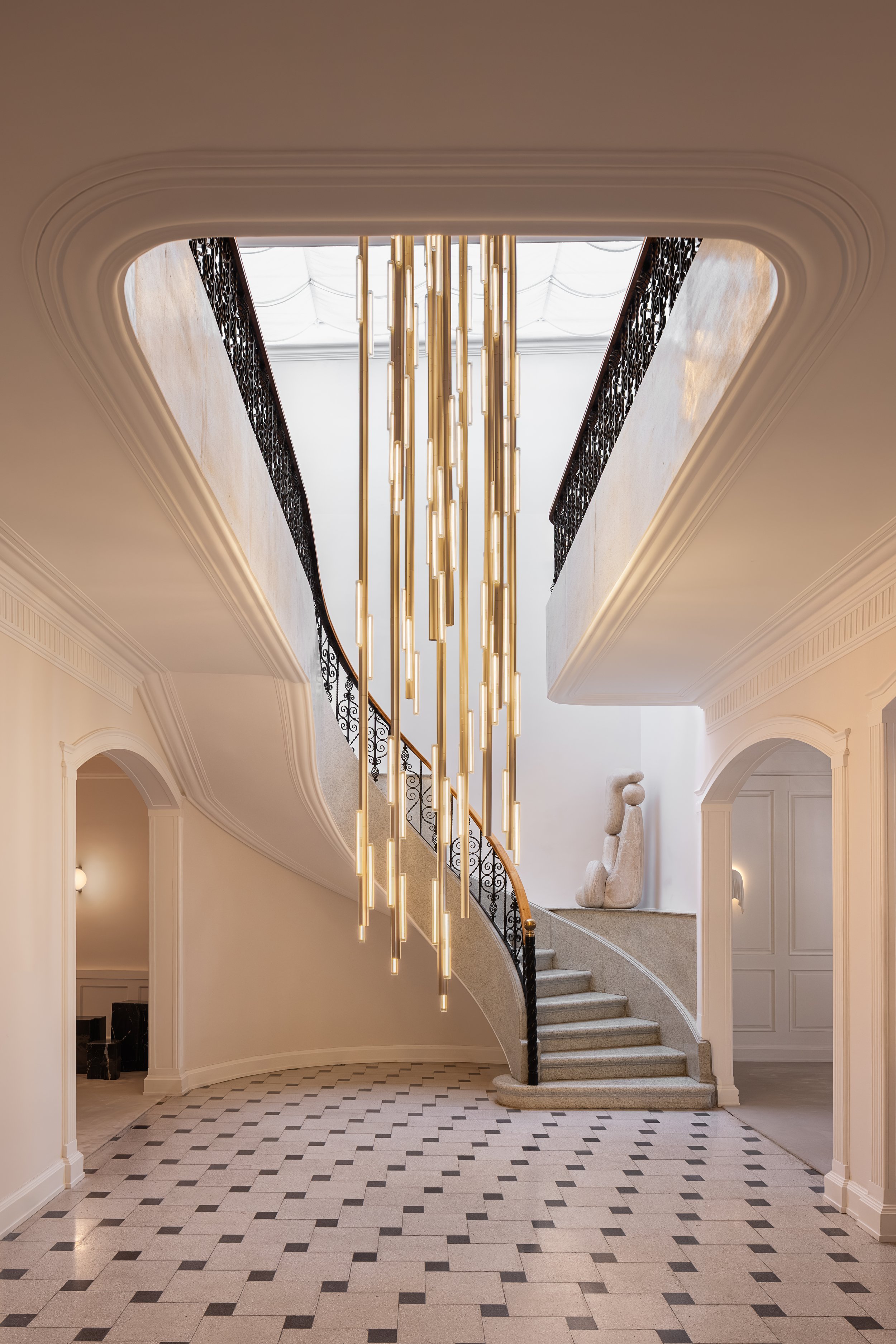
Photography, Lee Broom, The Resident Exibition, Ema Peter.
Rooted in craftsmanship and collectability, The Resident reflects a wider shift in contemporary luxury and interior design for 2026, towards intimacy, emotion and sculptural presence. Hand-sculpted plaster, hand-blown glass and porcelain feature prominently through works such as Requiem and Chant, alongside collaborative collections with Calico Wallpaper and Lladró. Curated artworks by Mexican artists further anchor the installation within the cultural fabric of Mexico City Art Week, creating a dialogue between British design, Mexican creativity and global collectible design.
In this conversation, Lee Broom reflects on Mexico as a creative context, the evolving role of light in the home, and why lighting design is increasingly being viewed as art.
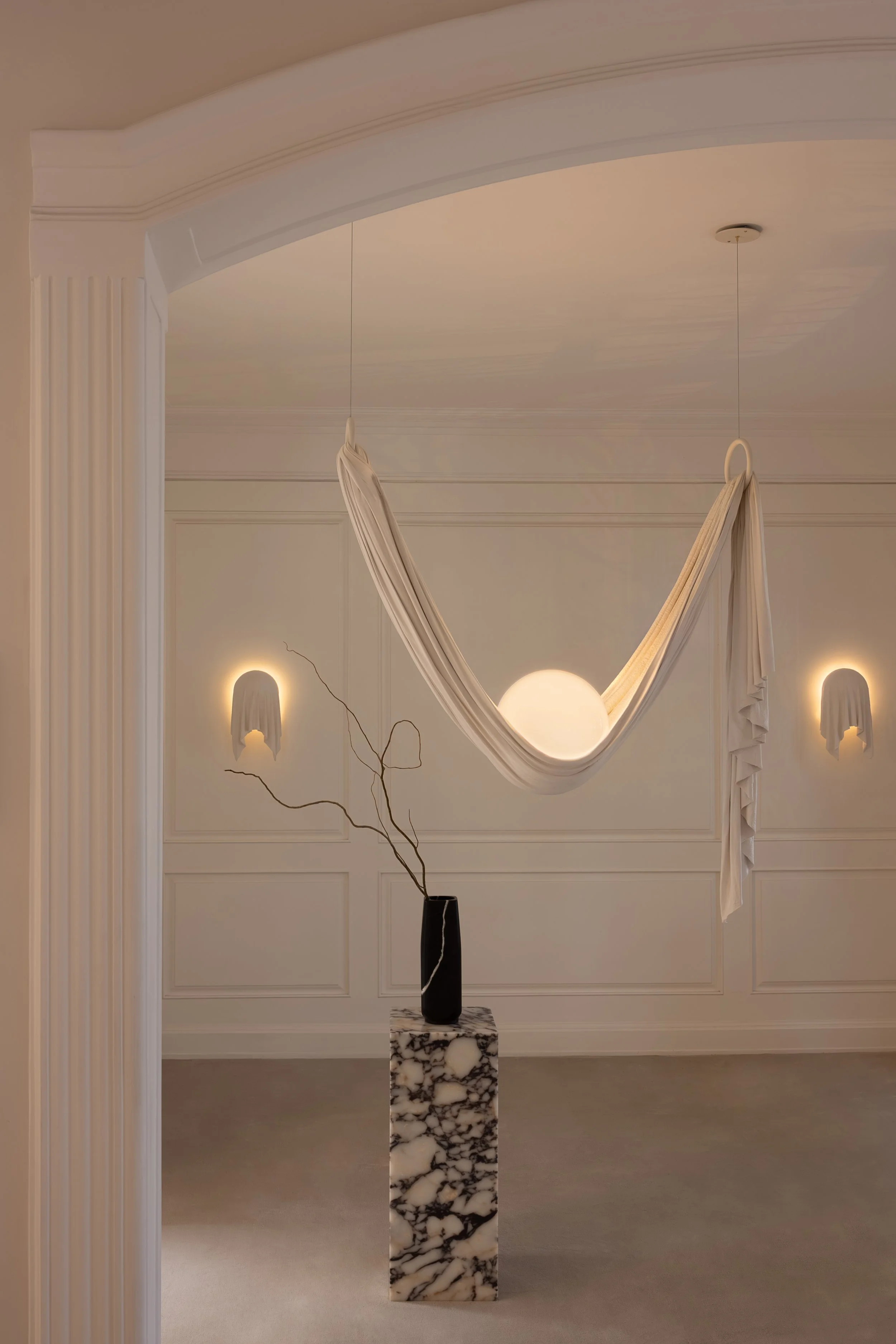
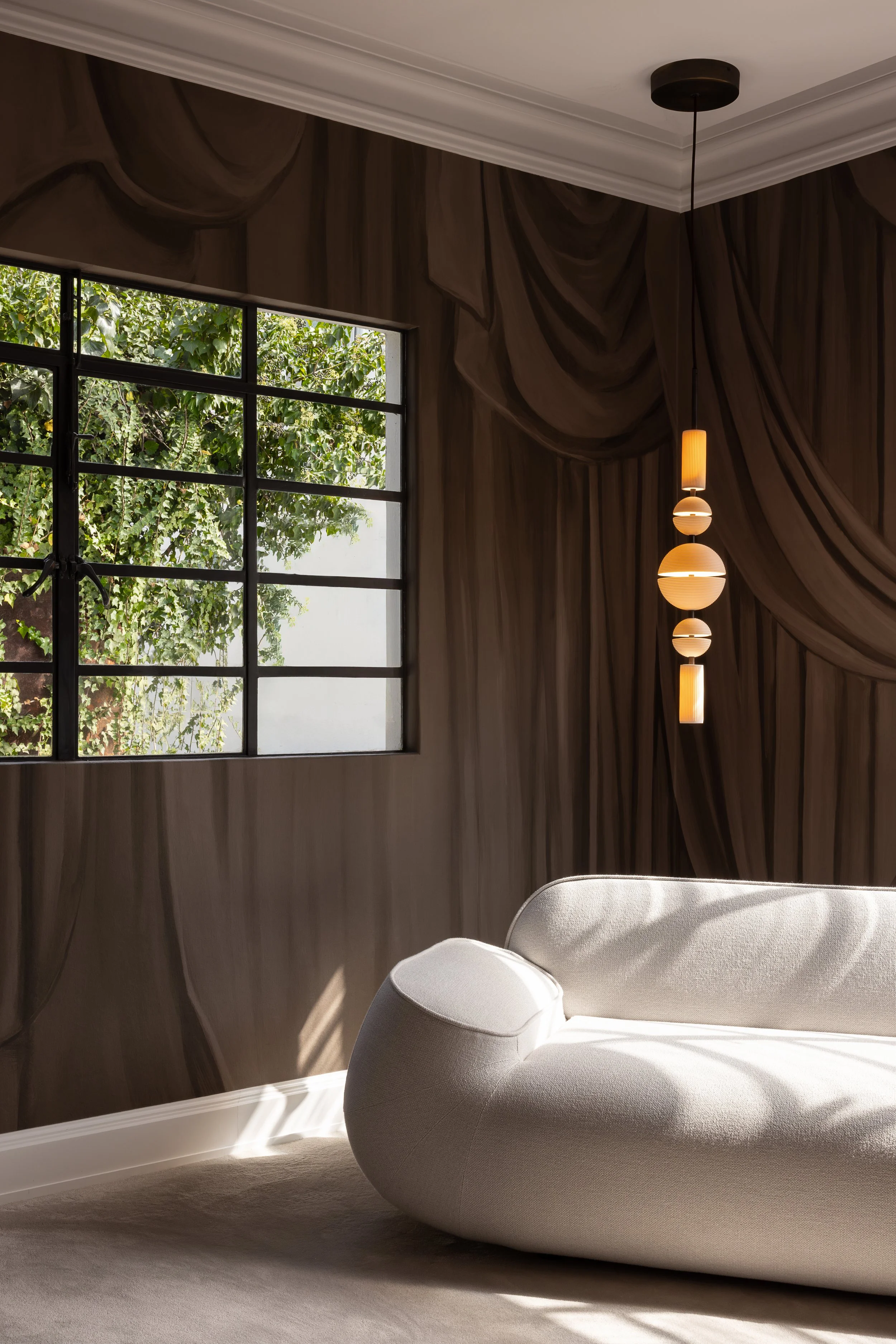
Photography Ema Peter. Left, Requiem Globe Pendant and wall lights. Right, Cascade by Lee Broom x Lladró.
The Resident marks your debut exhibition in Mexico and a deep collaboration with Diez Company. What drew you to Mexico City as a creative context, and how did the city’s architecture and cultural energy shape this project?
Mexico City has such a vibrant sense of culture and there’s a confidence in its architecture and art. The Resident came to fruition through an invitation from Rodrigo Fernández at Diez Company, which is a long-term partner of ours. When I first encountered Diez Company’s historic house, I was struck not only by its architectural brilliance, but by the energy it carries. The city’s scale and energy encouraged me to think sculpturally and emotionally about how light could inhabit a space rather than simply illuminate it.
This installation transforms an entire historic house into a sculptural landscape of light and art. How do you approach designing for an immersive, domestic-scale environment differently from a gallery or fair setting?
Unlike a fair or gallery, a house already has a story, so my approach was to treat the building almost as a collaborator rather than simply a spectacle. Immersion doesn’t have to mean overwhelm, and in fact, in a house it’s often about creating moments of stillness that allow people to feel rather than simply to observe.
The Hail Chandelier acts as the emotional and spatial centre of the exhibition. What role does scale play in how people experience light today, particularly in an age of increasingly intimate living spaces?
Scale is increasingly emotional rather than simply physical, and moments of monumentality create a real impact. The Hail Chandelier is a piece that anchors the house and draws the eye upward, reinforcing that sense of grandeur that feels so impressive. Large-scale lighting can offer that sense of drama while remaining poetic rather than imposing.
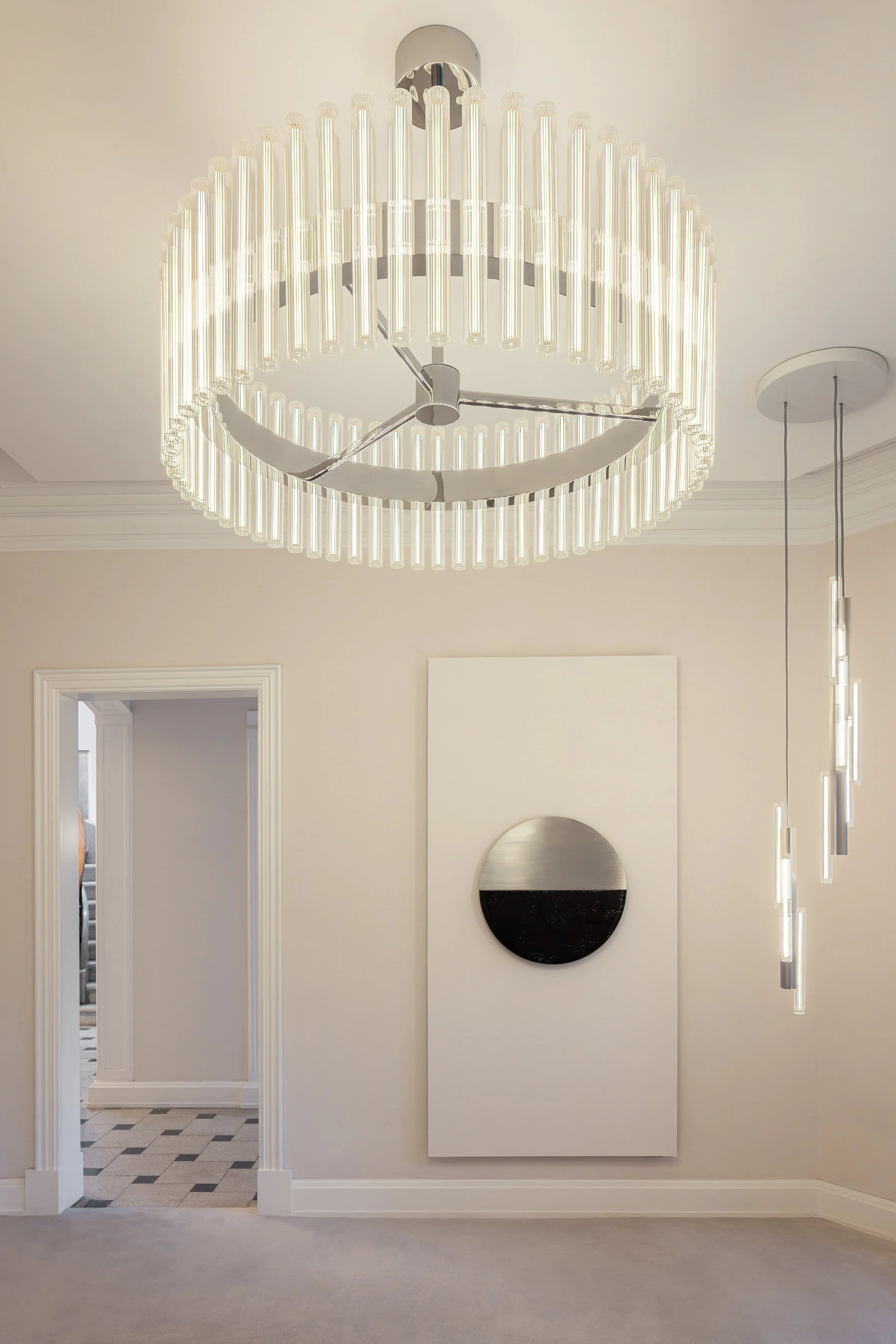
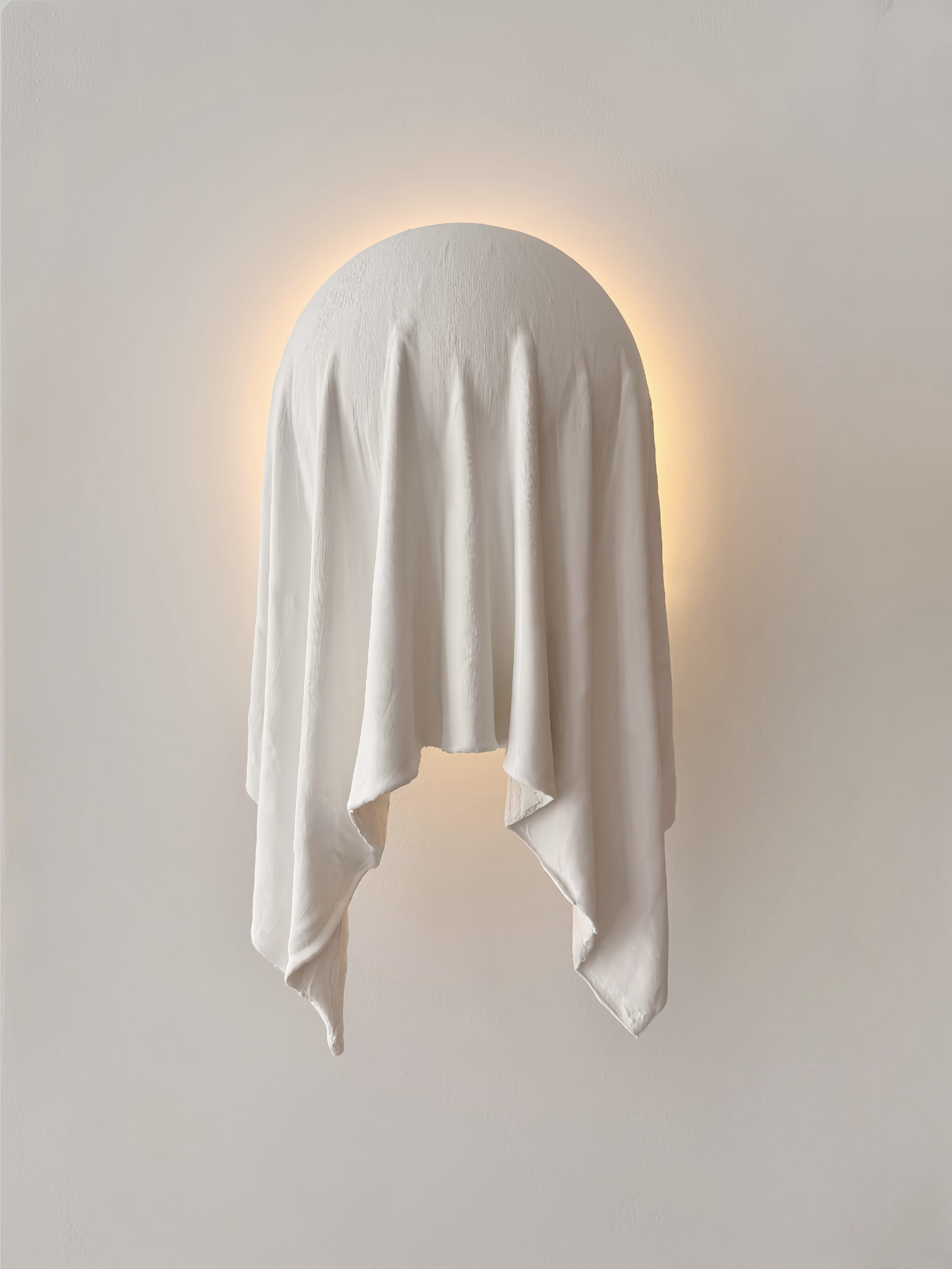
Photography Ema Peter. Left, Aurora 2 Tier XXL and Hail 3 Light Chandelier. Right, Requiem Wall Light.
In works such as Requiem and Chant, you take a markedly different visual approach, working with hand-sculpted plaster and hand-blown glass. What drew you to these materials and this shift in aesthetic, and do you feel that these materials and their making processes are becoming even more relevant as we move into 2026?
There’s an honesty in handmade materials that I find very compelling. With Requiem, the act of hand-sculpting plaster introduces a sense of fragility and Chant similarly celebrates the individuality of hand-blown glass, and I believe there’s a growing desire for objects that visibly showcase their hand-crafted nature. These processes slow things down, and that sense of time embedded in an object becomes a form of luxury in itself in this day and age.
Many collectors are now acquiring lighting as statement objects rather than purely functional pieces. Has this changed how you think about permanence, rarity and legacy in your designs?
Lighting has always sat somewhere between function and emotion for me, but as it becomes more collectable, questions of rarity and legacy naturally come to mind. I’m increasingly conscious of creating pieces that will still resonate decades from now. That’s where craft and narrative become essential, as rarity shouldn’t be about limitation, but rather about intention.
How do you see the boundary between design and art shifting, both creatively and commercially?
As an artist and designer, I believe that the boundaries between design and art are becoming increasingly blurred, and lighting can be considered both sculptural and conceptual. Commercially, it encourages people to invest as they are drawn to lighting as they are art – on an emotional level – and it allows design to be taken more seriously.
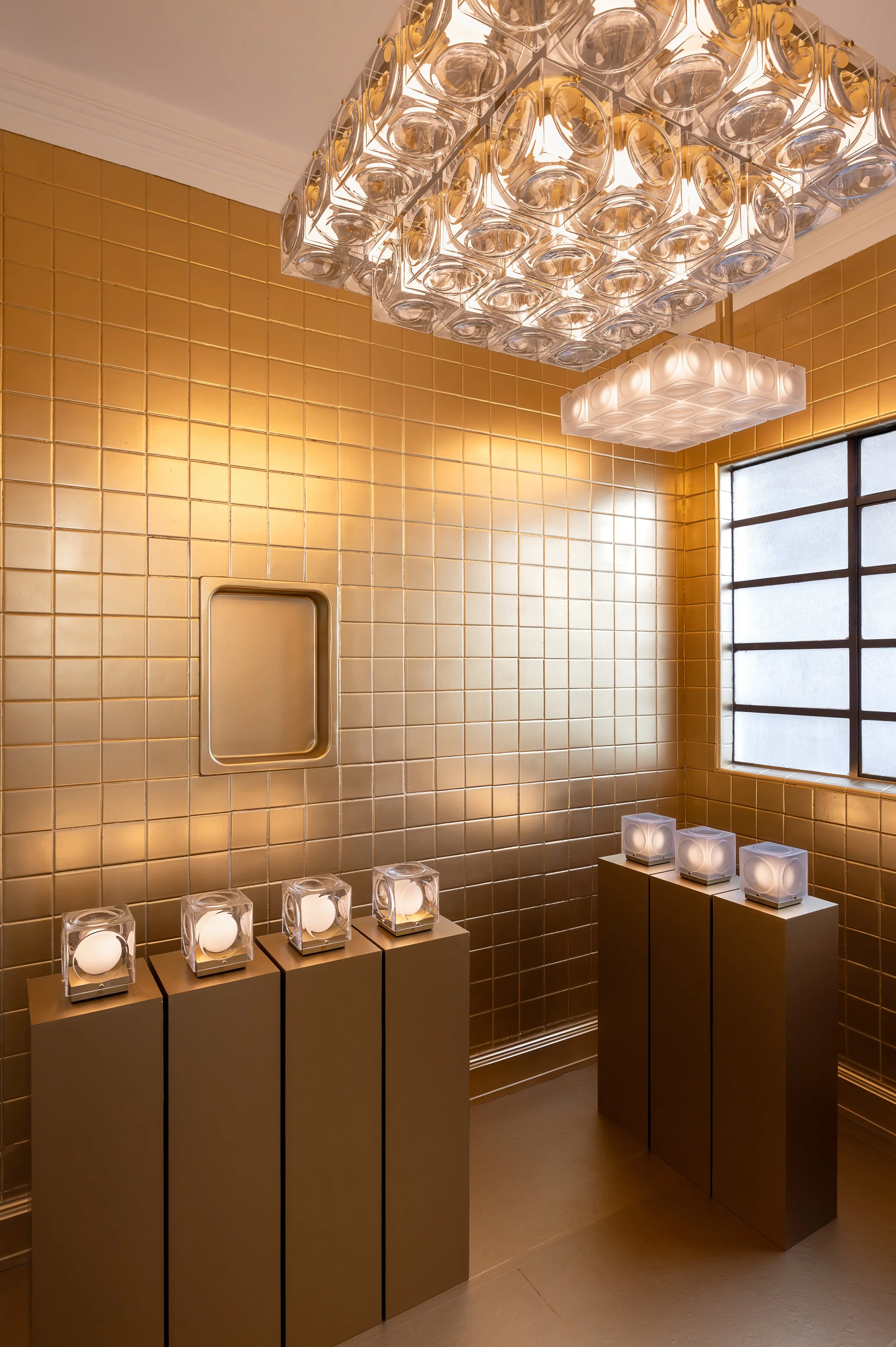
Photography Ema Peter, Chant Chandelier and Chant Portable Lamps.
2026 is a significant year for the studio, from Mexico City Art Week to Milan and London. How do these global design shows differ creatively, and what do you aim to communicate in each context?
Each city has its own style and expectations; Milan is deeply rooted in industry and heritage, London is more experimental, while Mexico City brings an emotional and cultural richness. Rather than presenting a single message everywhere, I see these different locations as chances to highlight my different sides to design and art. The aim is always to remain true to the studio’s identity while allowing the work to respond to its surroundings.
Your recent collaborations, from Lladró to Calico Wallpaper, suggest an interest in cross-disciplinary dialogue. Are collaborations becoming more important as design becomes more narrative-driven?
Collaboration introduces new voices, and working with different brands allows new stories to unfold in unexpected ways. As design becomes more narrative-driven, collaboration feels like a natural extension of that, creating layers of meaning that wouldn’t exist otherwise.
Your work often sits at the intersection of art and design. How does collecting art influence your creative thinking, and what draws you to a piece on a personal level?
I’m drawn to pieces that highlight emotion, rather than just aesthetics alone, and collecting inevitably feeds back into how I think about design, light and atmosphere.
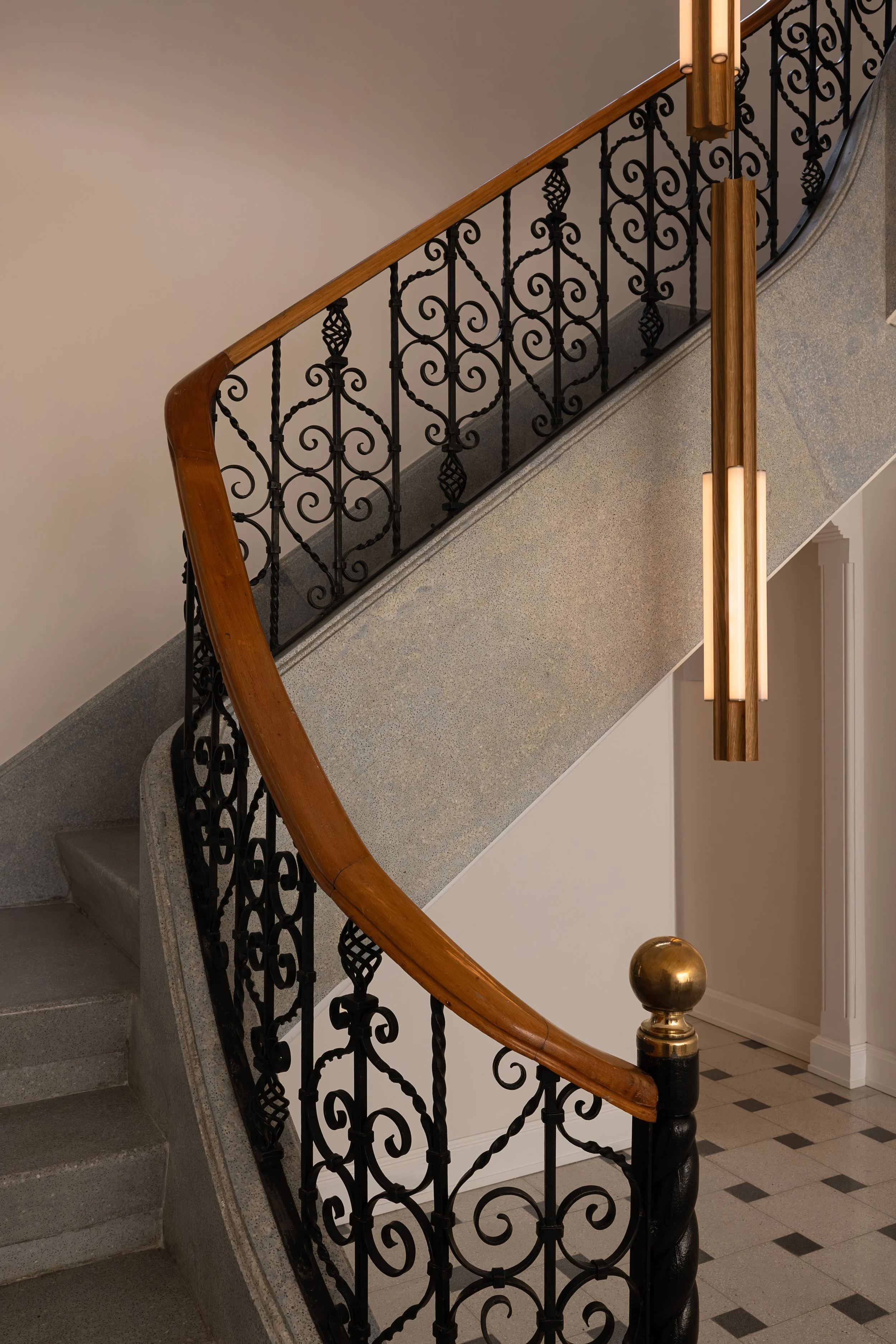
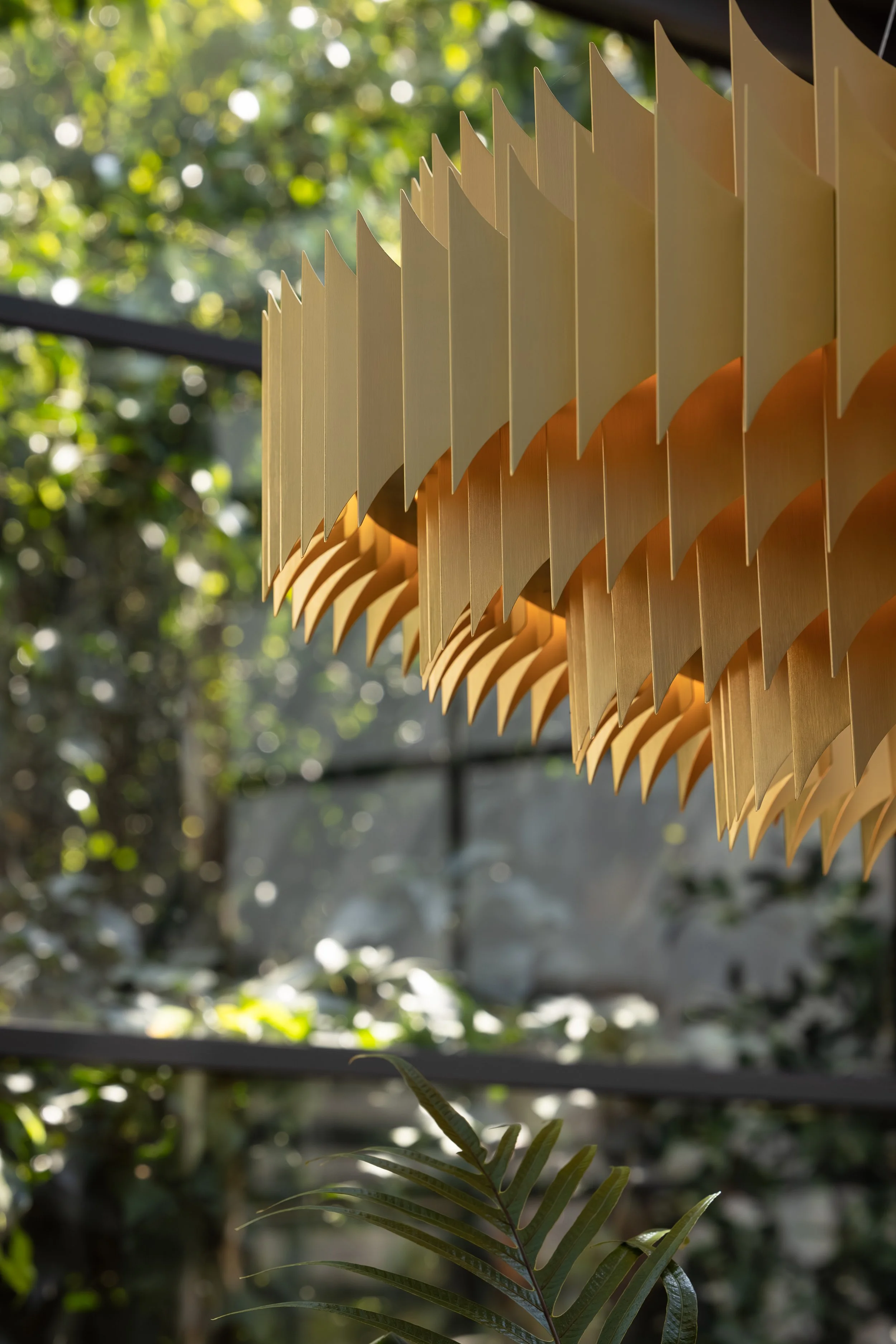
Photography Ema Peter. Left, Altar 4 Light Tall. Right, King.
Travel is often a source of creative renewal. Are there any destinations you consistently return to, or recent discoveries you would recommend to our readers seeking culture, design and atmosphere?
I would always recommend New York to people seeking culture, design and atmosphere, as the city is just full of inspiration interesting people.
What would you like to see more of in the design world?
I’d like to see more commitment to craft and emotional relevance, seeing design continue to slow down and reconnect with meaning.
Photography, Ema Peter.