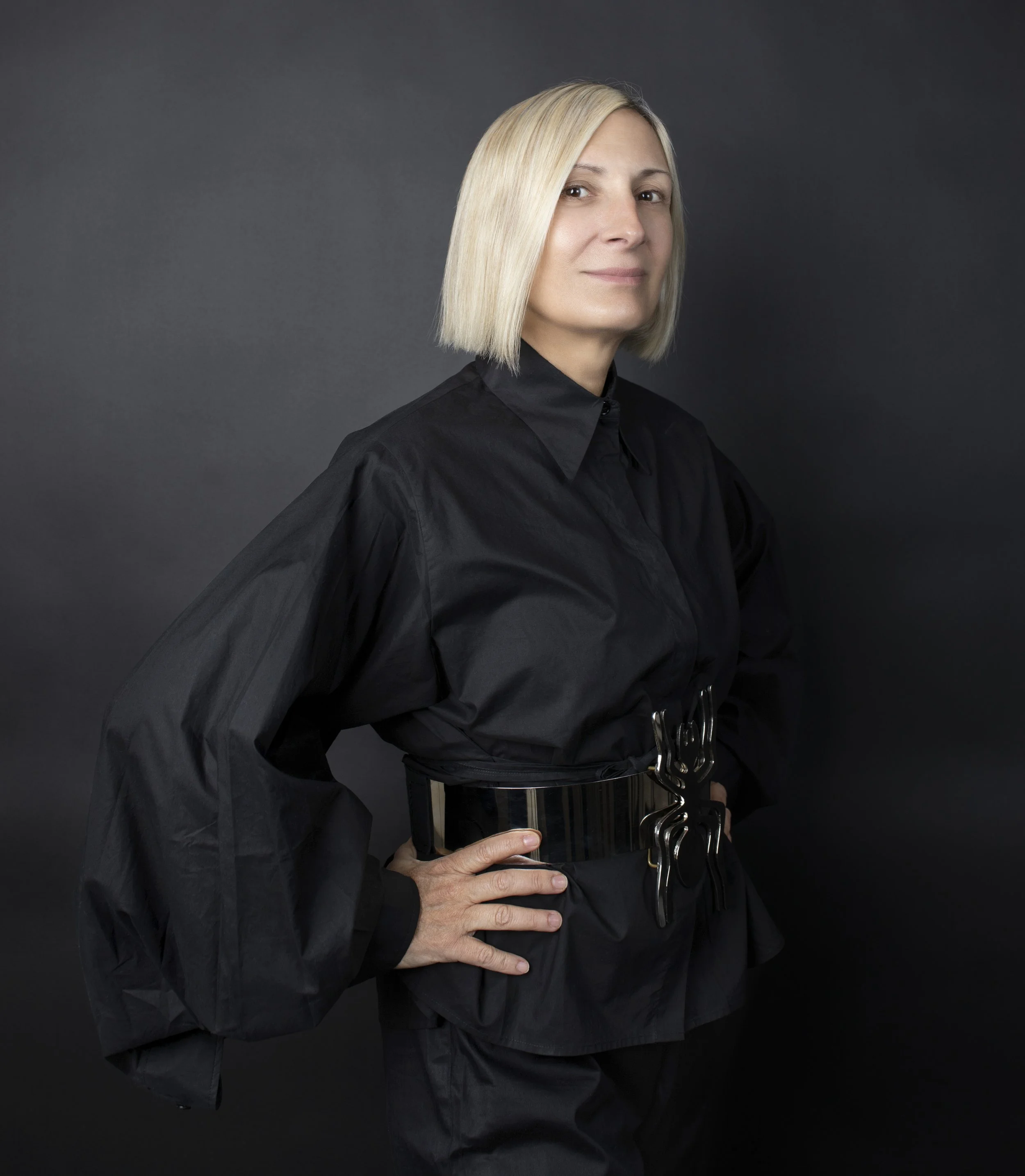
In conversation With: Alua Kul, Lumi Interiors
Alua Kul, founder of Lumi Interiors, brings a distinctly international sensibility to the world of ultra-luxury residential design. Trained in London and now based in Dubai, her work is defined by a refined balance of British structure, contemporary elegance and tactile warmth. In this interview, Kul reflects on how her global upbringing shaped Lumi’s signature ‘London luxury’ aesthetic, the philosophy behind her Palm Jumeirah studio, and the importance of crafting interiors that are as liveable as they are visually striking. From award-winning penthouses and couture collaborations to the cultural influences of Dubai itself, Kul offers a thoughtful insight into a practice driven by precision, storytelling and quiet luxury.
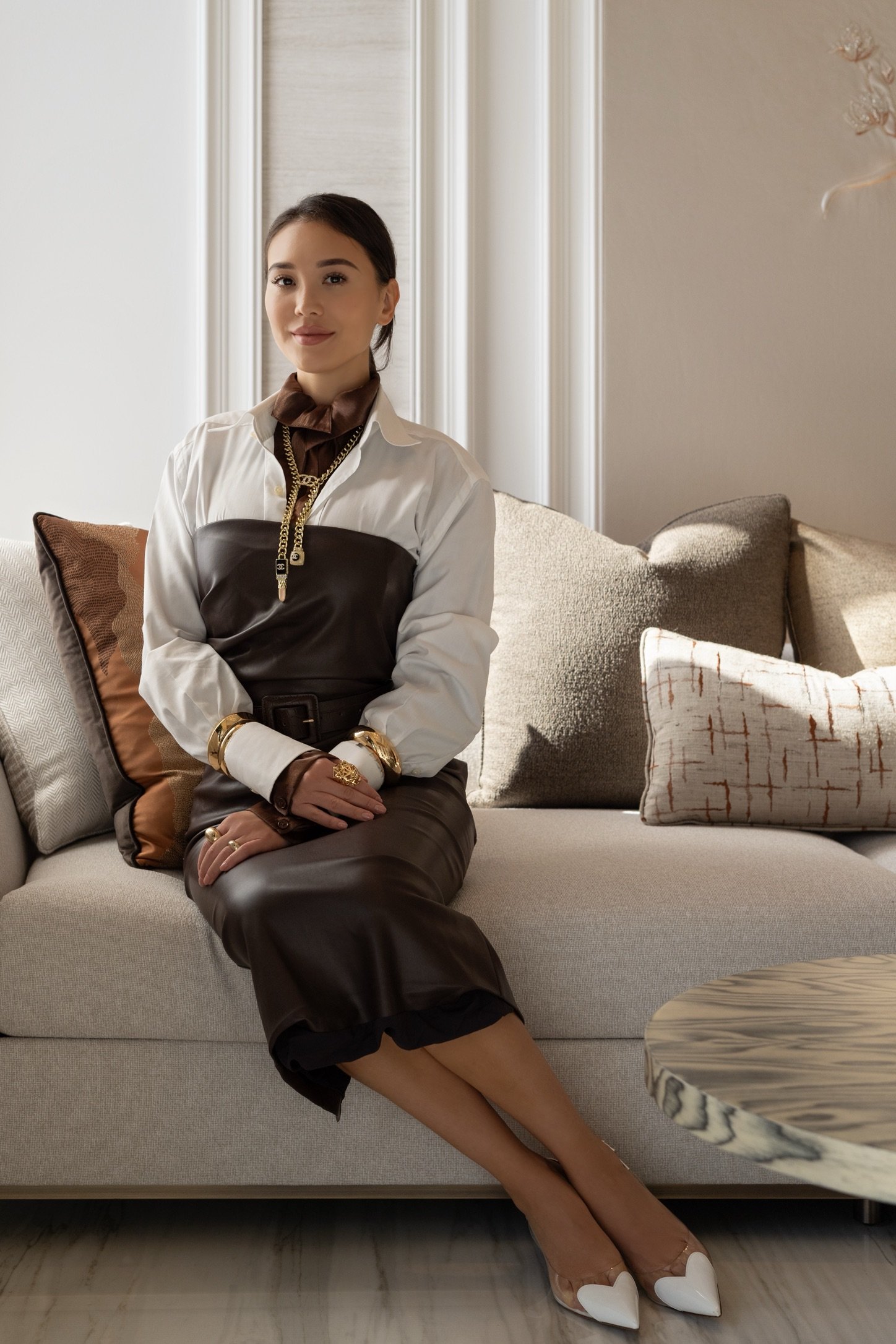
Your background is very international. How has your journey shaped Lumi Interiors’ signature style, particularly your blend of London luxury with classic and modern elements?
I was very fortunate to grow up internationally and to travel a great deal from a young age. Hotels, architecture and nature across different countries shaped my visual memory long before I formally studied design – one of my earliest projects was designing my parents’ home when I was just fourteen! But it was living and training in London that truly refined my aesthetic. Studying at KLC and being immersed in British architecture, heritage interiors and craftsmanship gave me a deep appreciation for balance, proportion and timeless detail.
That is why Lumi’s style is often described as “London luxury” - it’s elegant, layered and refined, but always softened with warmth, texture and contemporary lines. I naturally blend classic elements with modern touches because that is how I experienced the best of British design: respectful of history but never static.
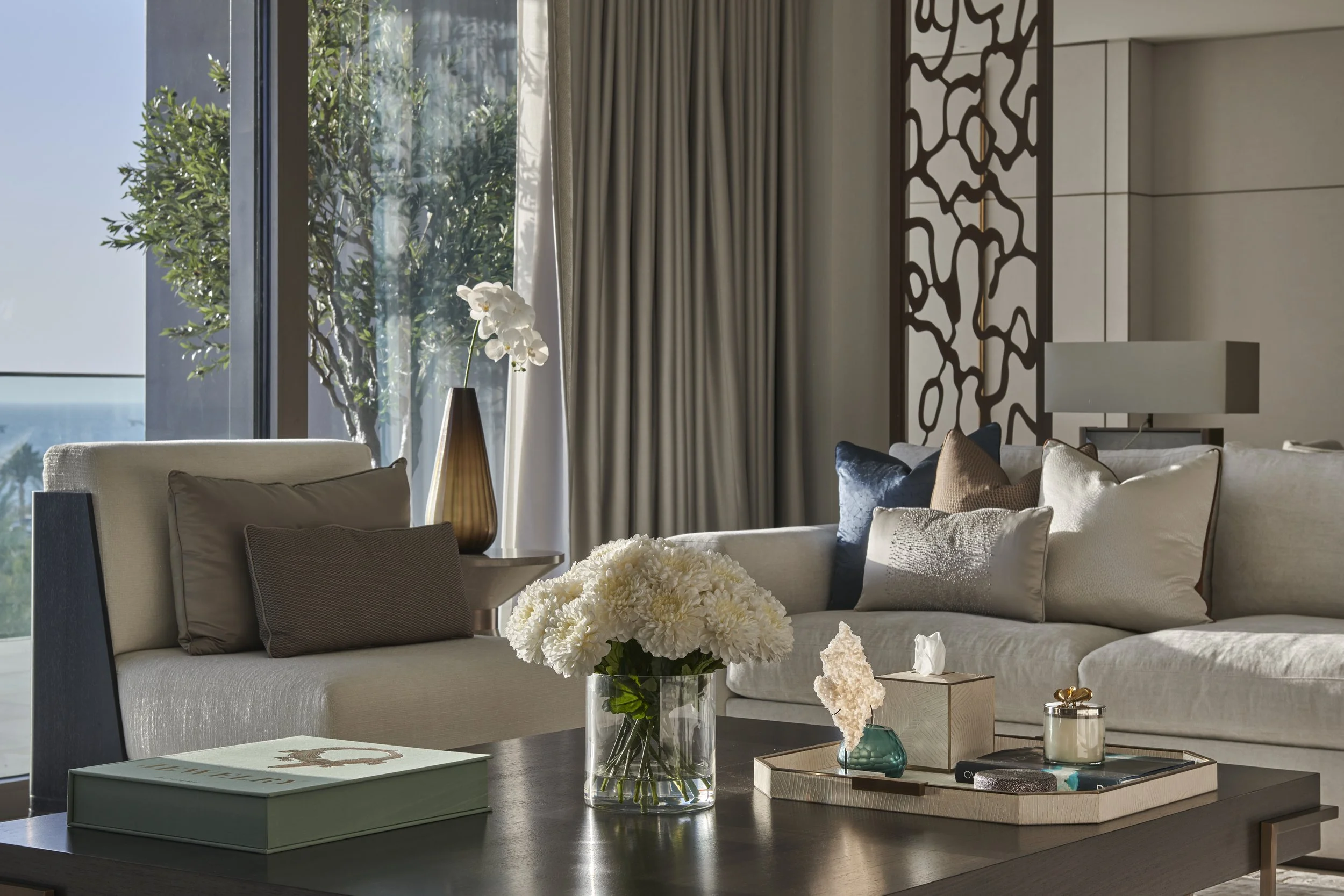
Lumi Interiors Palm Jumeirah Penthouse Project
Lumi’s Dubai studio on Palm Jumeirah spans three levels, including a creative library and sample station. What was your vision for this space, and how does the studio itself reflect your design values?
I love our studio on the Palm Jumeirah in Dubai, which was designed to feel like both a creative sanctuary and a highly efficient design laboratory. I wanted the space to reflect how we actually work, with strong structure, clear processes and lots of room for inspiration.
The creative library and material sample station are at the heart of the studio because for me, design always begins with touch, texture and atmosphere. Clients can see and feel fabrics, finishes and craftsmanship at every stage. The studio reflects our values of precision, British structure, and quiet luxury, it’s layered, calm, tactile, and very intentional.
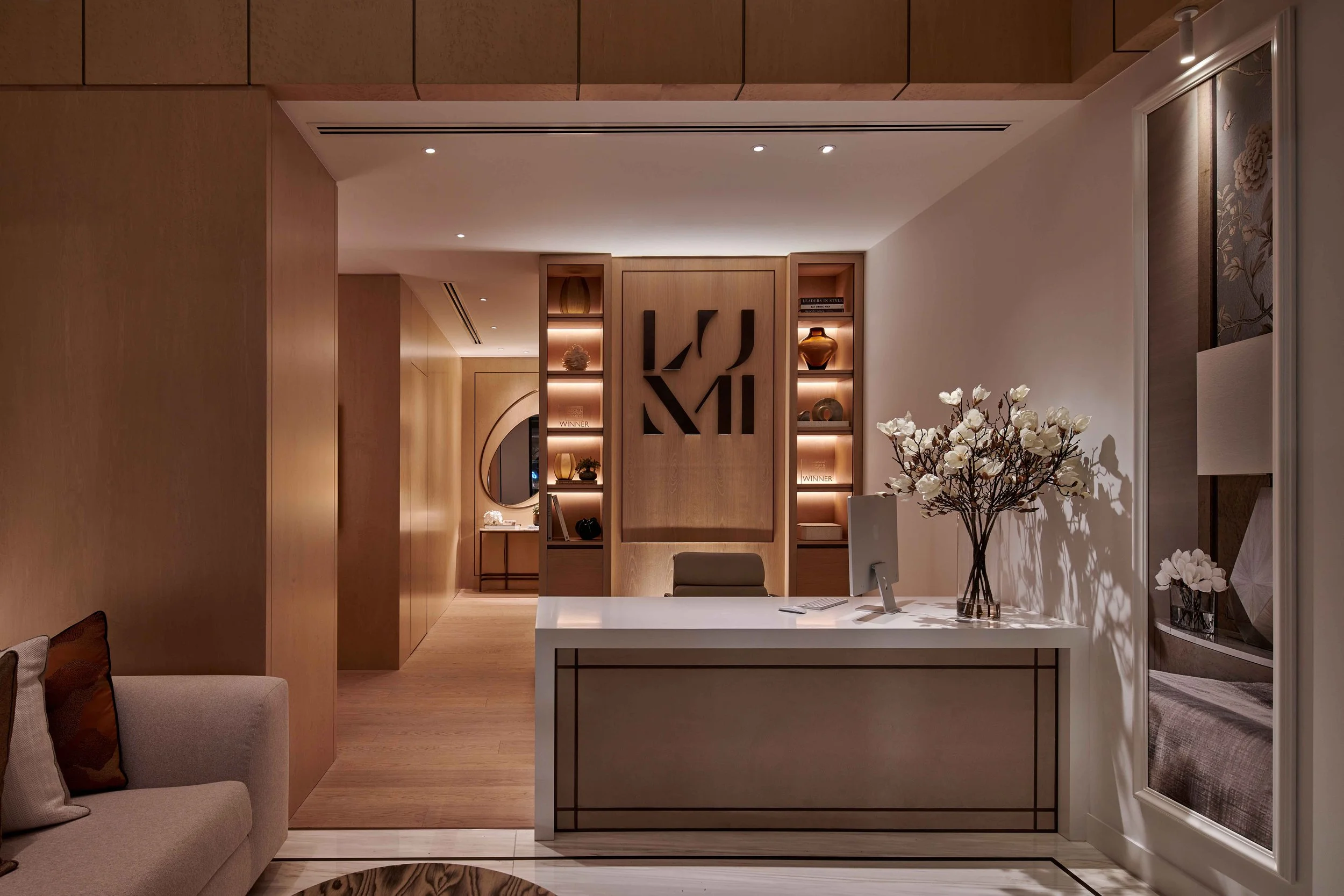
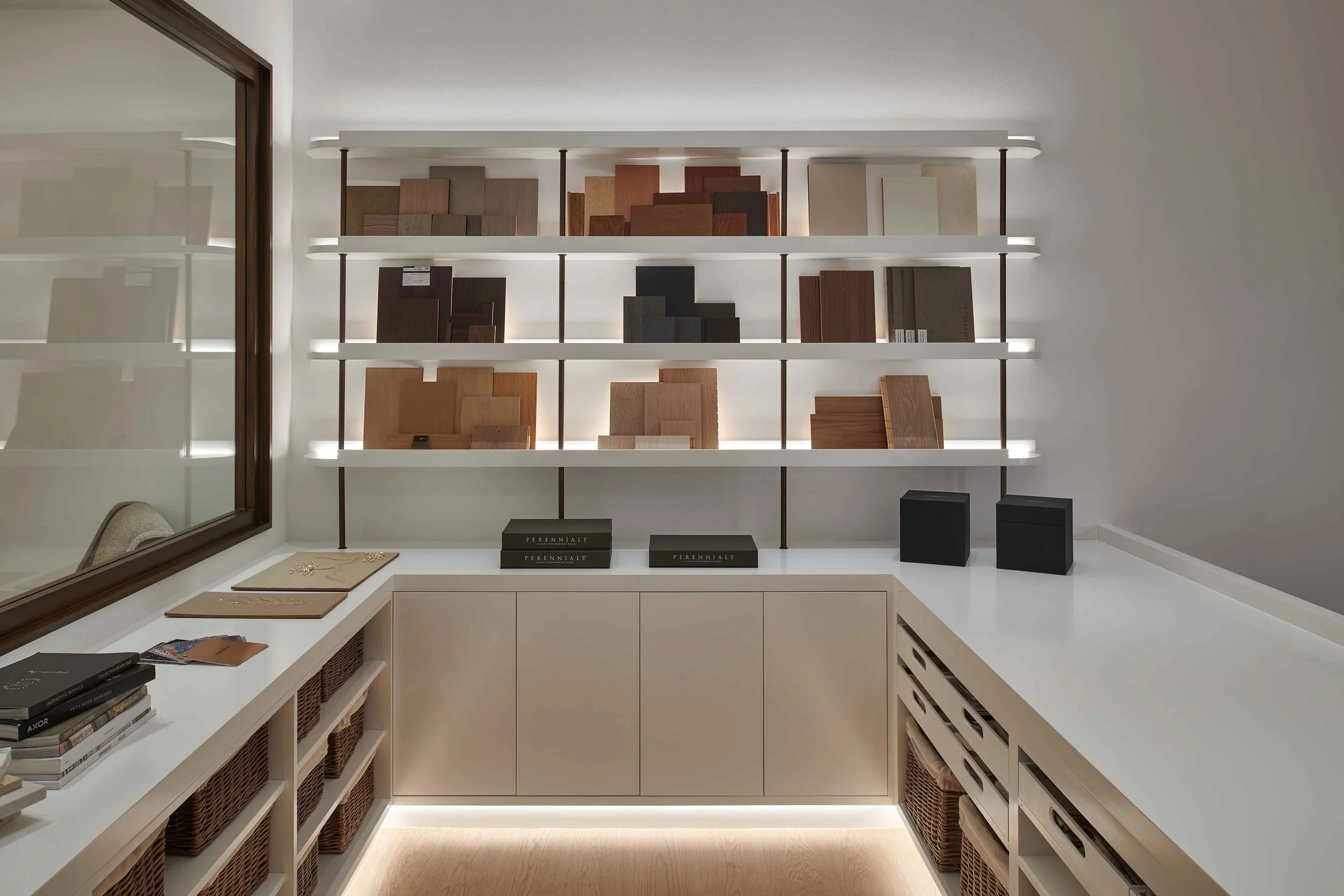
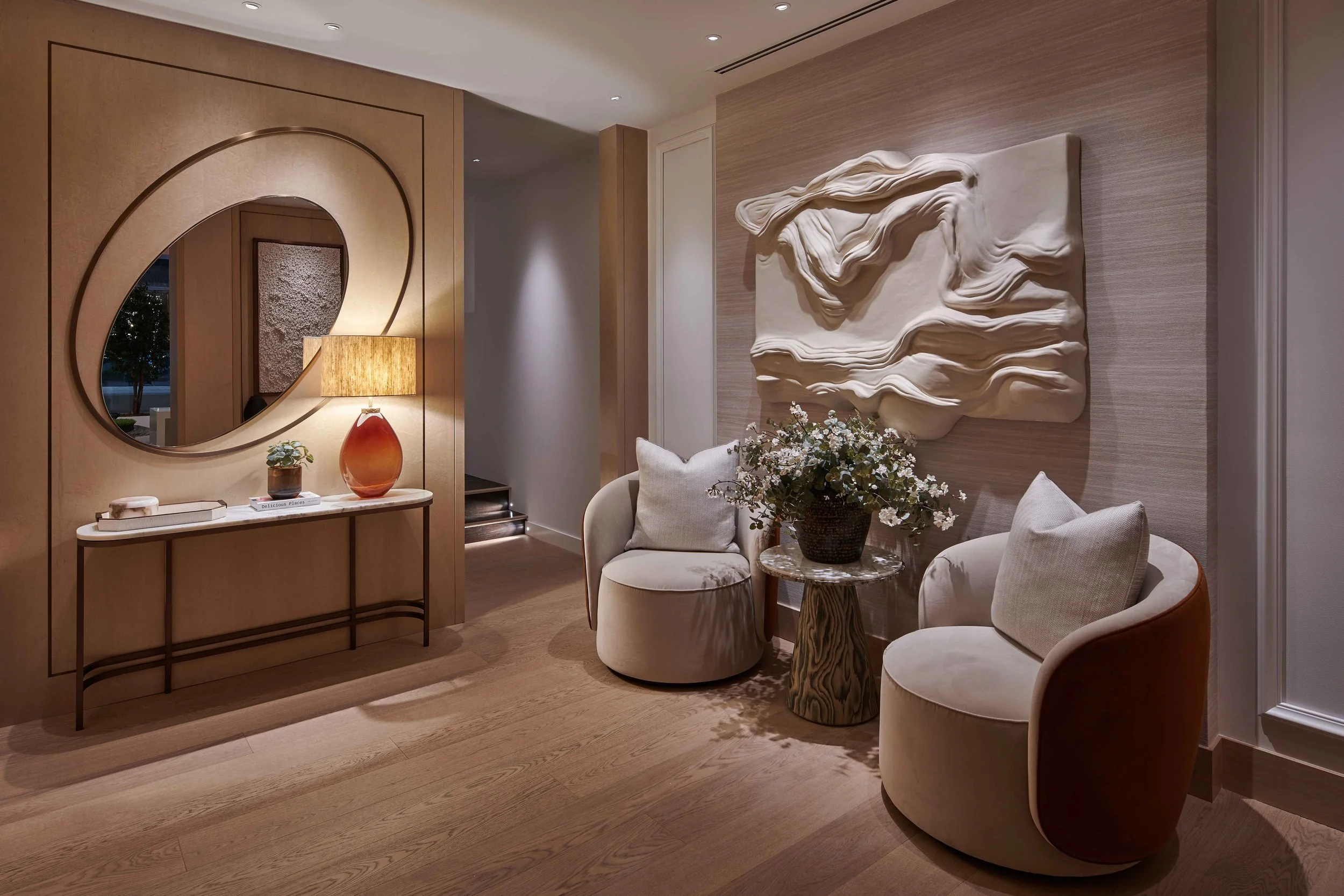
Lumi Interiors Studio, Palm Jumeirah
When you design for ultra-luxury residential clients, what are the biggest challenges you face, and how do you balance opulence with liveability?
The biggest challenge is how to achieve true luxury without compromising comfort. Ultra-luxury clients want exceptional materials, bespoke craftsmanship and visual impact, but they also require a home that is highly functional and practical to live in every day.
For me, a home only becomes truly luxurious when it works effortlessly for a client’s lifestyle. Beauty alone is not enough. We spend a great deal of time understanding how our clients live: their routines, family life, entertaining habits and privacy needs. That is how we balance opulence with liveability, through very careful planning, detailing and functionality at every level.
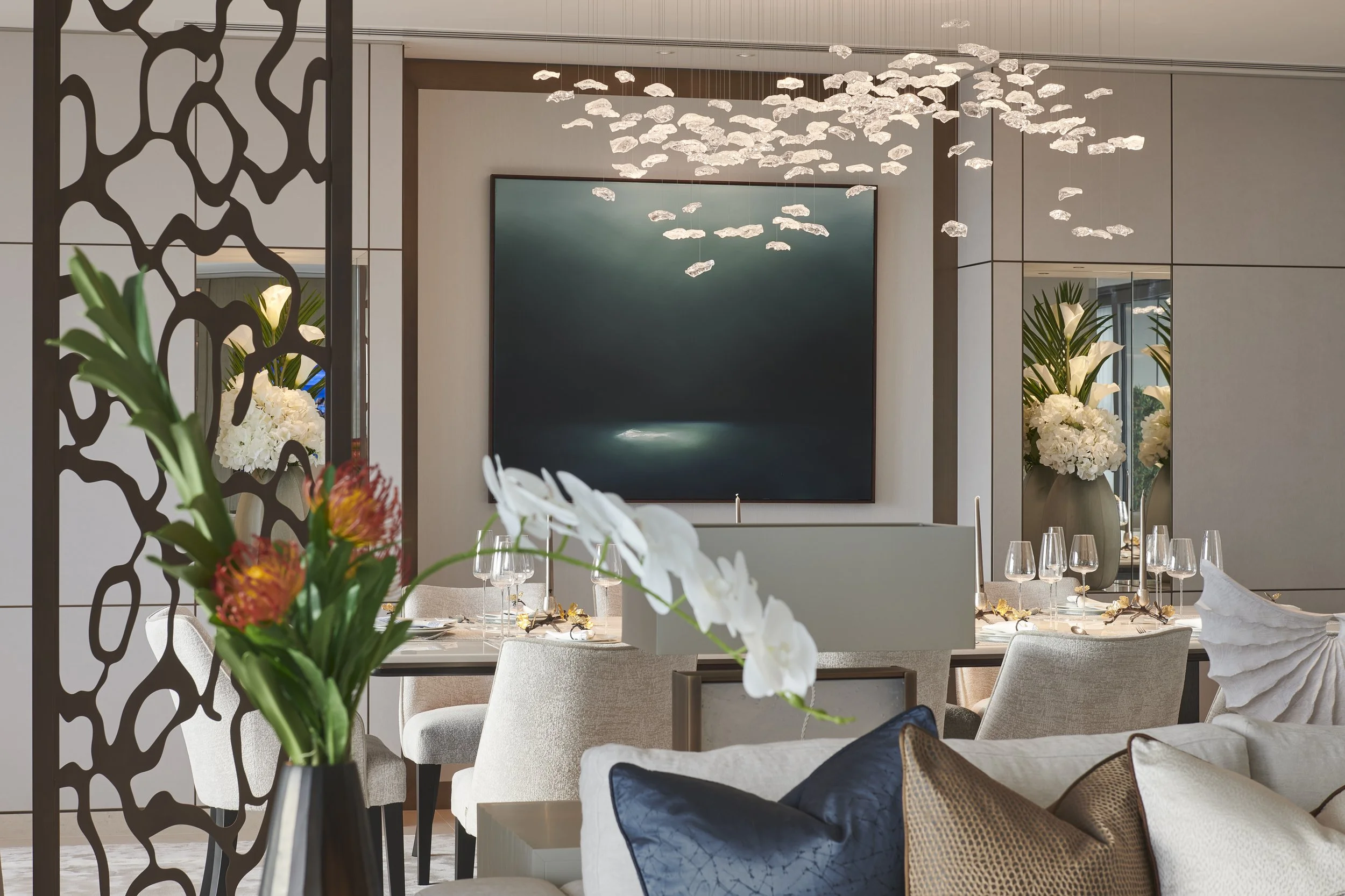
Lumi Interiors Palm Jumeirah Penthouse Project
Your Palm Jumeirah penthouse project was described as a “modern interpretation of nature with London-inspired refinement”. Can you walk us through how you conceptualised the scheme, and what surprises emerged during the execution?
That penthouse is very special to me – it was our very first project in Dubai, and it remains close to my heart. The concept grew from the idea of bringing the calmness of nature into a highly refined urban setting. We worked with earthy palettes, layered textures and soft transitions, all grounded by structured London detailing.
One of the biggest surprises during execution was just how beautifully the natural light interacted with the materials once everything came together, especially the stone, wood and textiles. That project went on to win two international design awards and was featured in Architectural Digest Middle East, which was a milestone moment for us. It taught me the power of trusting your concept fully from the very beginning.
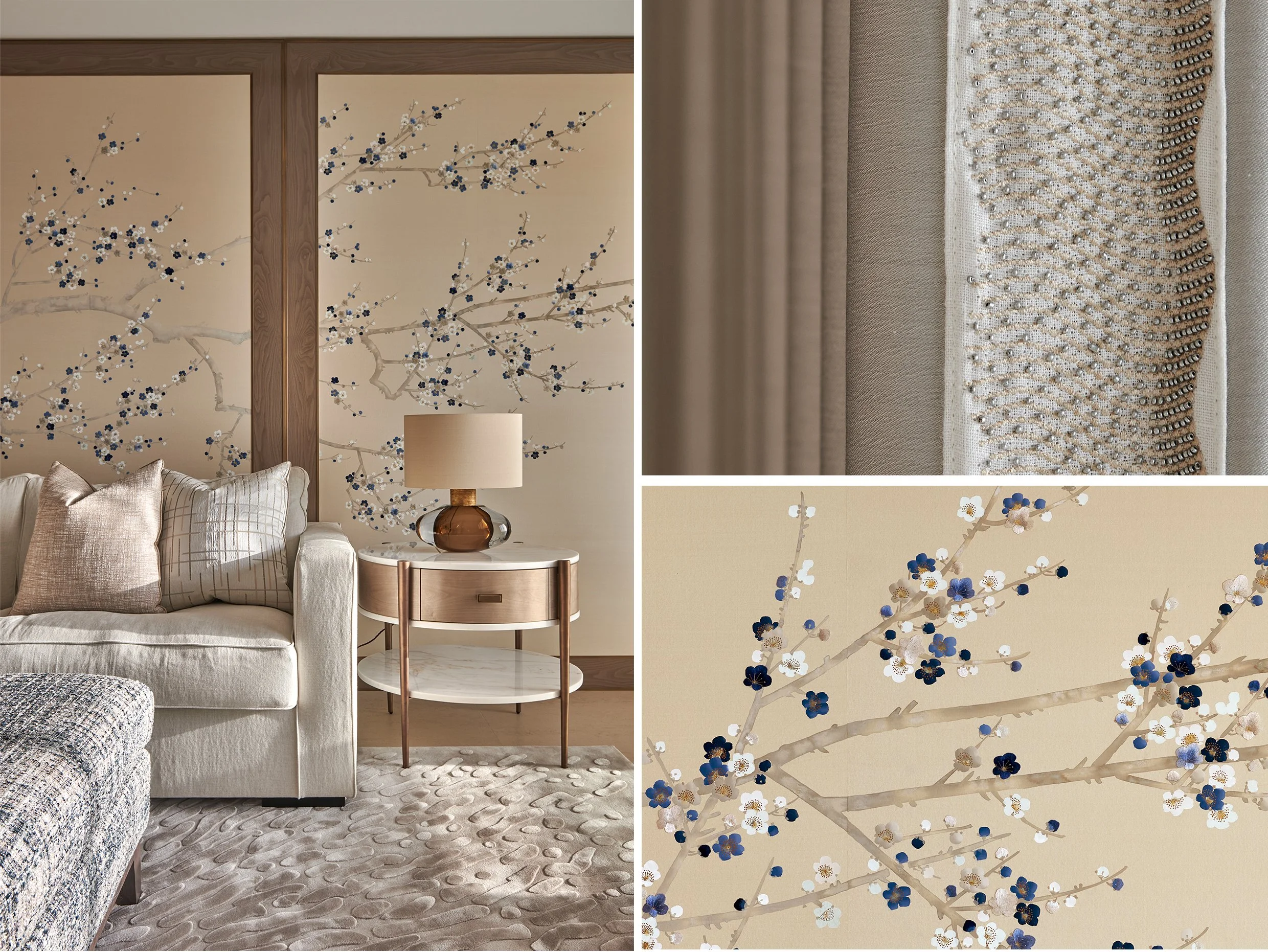
Lumi Interiors Palm Jumeirah Penthouse Project
You partnered with Holmes Bespoke on a rug collection inspired by the desert. How do collaborations like this inform your core design work, and what was your creative process in translating the desert landscape into textile form?
My collaboration with Holmes Bespoke was born very organically through a meeting with Laylah Holmes at the Peninsula London through our mutual PR teams. The collection was inspired by the earthy colours, movement and quiet power of the Arabian desert. I began sketching the first ideas while flying back from London, having just met Laylah, thinking about shifting sands, wind patterns and tonal layering.
Collaborations like this deeply inform our interior work because they push us into material innovation and storytelling at a product level. Translating a landscape into textile is about emotion, not literal representation. The rugs are produced by master craftsmen using silk and bamboo silk, and each piece is designed as a work of art in its own right.
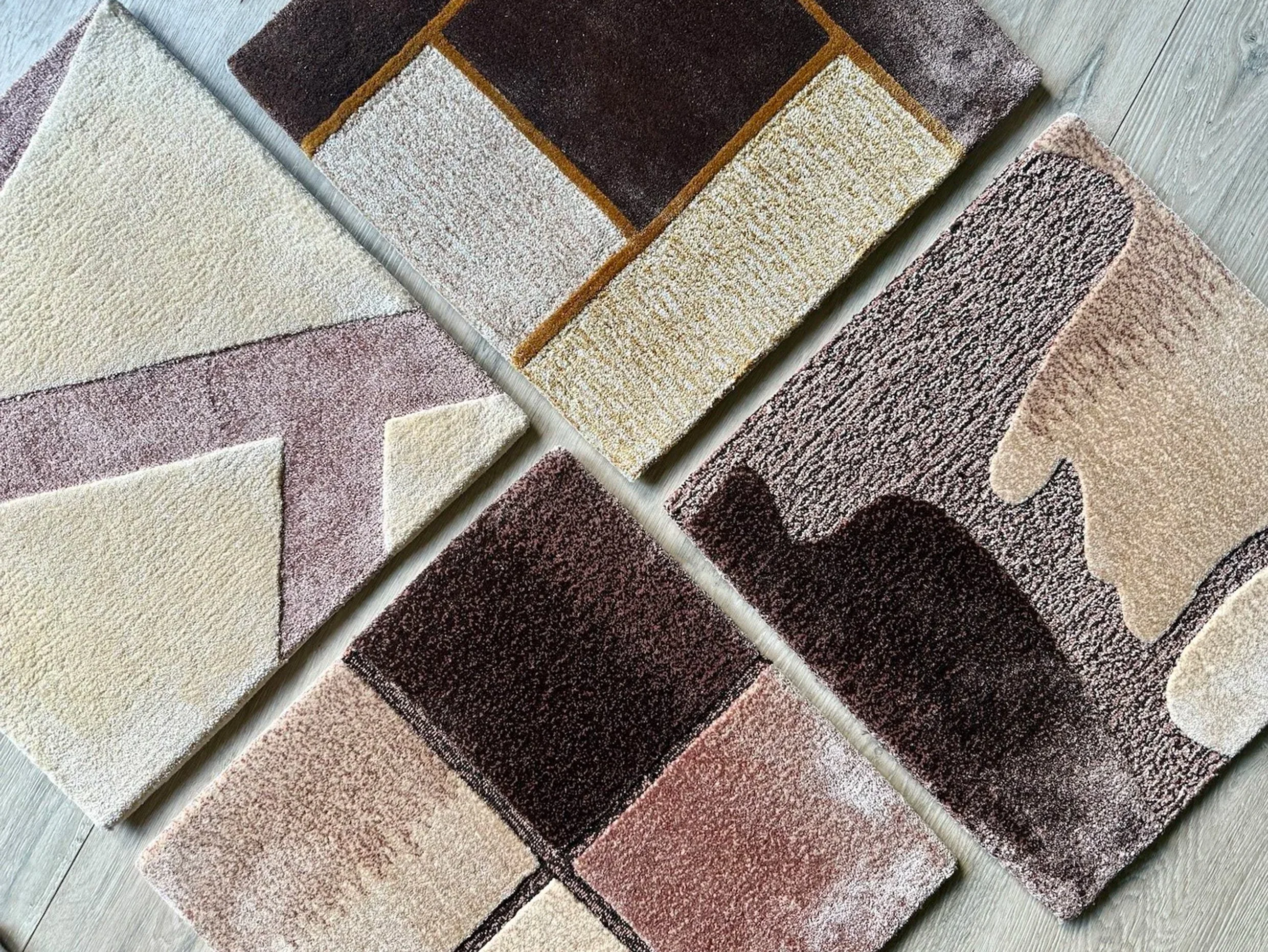
Lumi Interiors collaboration with Holmes Bespoke
You’ve mentioned prioritising personal connections with clients. How do you build trust with clients who commission couture interiors, and how do you guide them through the design journey from concept to completion?
Trust always begins with listening. We invest significant time at the very beginning, understanding our clients not just as clients, but as people. Their lifestyle, their family, the way they travel, how they relax, all of this informs the way we design.
From there, we guide them through a very structured, transparent process, from concept design to detailed design, FF&E, procurement and final installation. Because we offer a full turnkey service, clients feel supported at every stage. I believe clients trust us because they feel genuinely cared for on a personal and professional level.
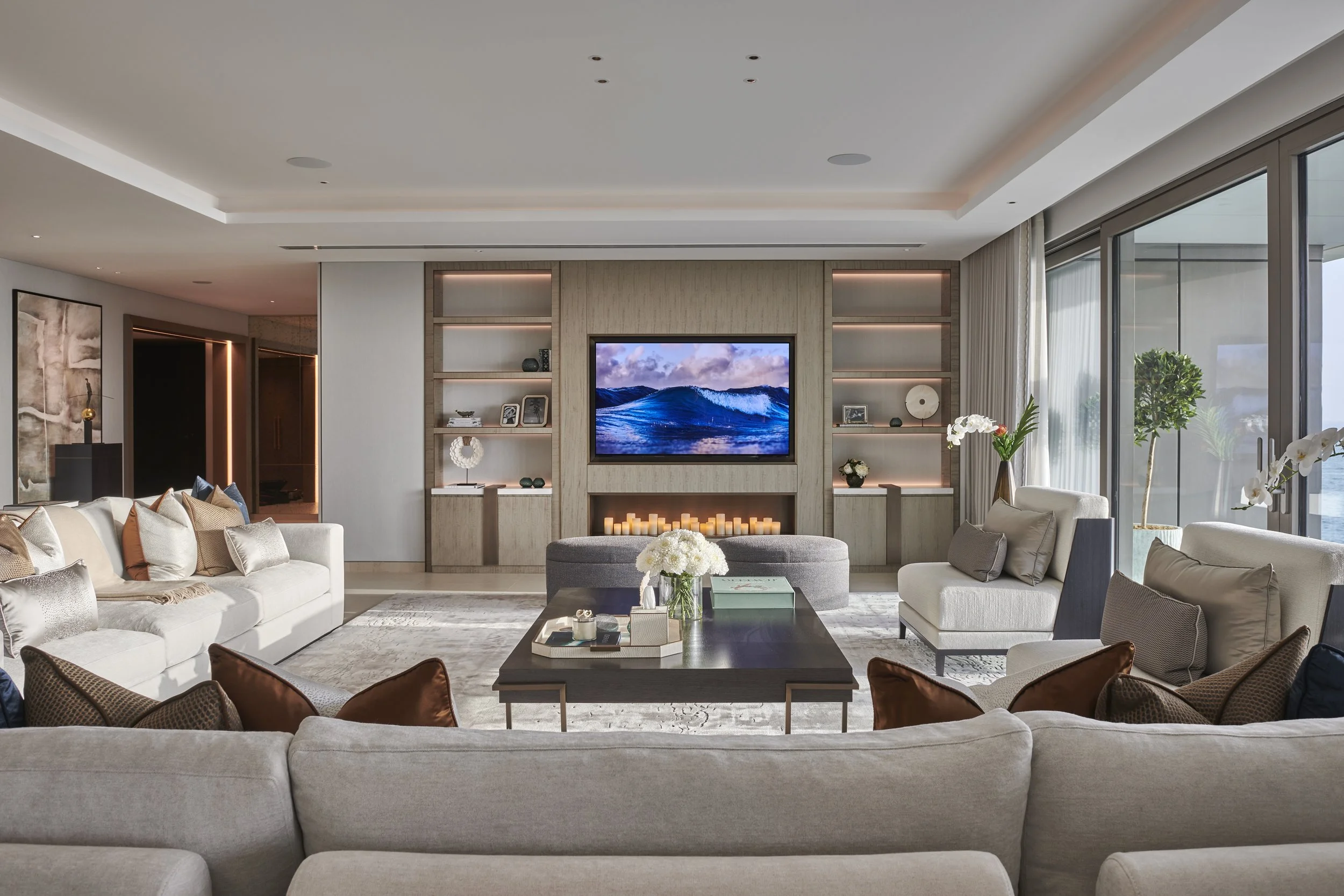
Lumi Interiors Palm Jumeirah Penthouse Project
You said Dubai’s ‘unique energy and diverse landscapes’ inspired you to open your studio here. Can you share any specific elements of Dubai’s landscape, architecture or culture that directly influence your work?
Dubai’s energy is incredibly dynamic. The contrast between desert and sea, old and new, stillness and speed, all of this influences my work. The light here is very different to Europe; it is sharper, brighter and more dramatic, which changes how we use materials, finishes and textures.
Culturally, Dubai’s international nature strongly aligns with my own background. It is a place where different design languages coexist, and that freedom allows us to be both globally inspired and deeply contextual at the same time.

Lumi Interiors Palm Jumeirah Penthouse Project
How do you see Lumi Interiors evolving in the next 5–10 years, both in the UAE and globally? Are there new typologies, geographies or material innovations you are excited to explore?
I have very big plans for Lumi, and I truly believe in writing goals down and working consistently towards them. Over the next decade, I see Lumi growing internationally while remaining very selective and boutique in its approach.
We are increasingly developing bespoke furniture and product design alongside our interiors, and that is a direction I am particularly excited about. In terms of geographies, we are already working across different countries, and I would love to deepen our presence in Europe and beyond. Material innovation, sustainability and craftsmanship will be at the heart of our evolution.
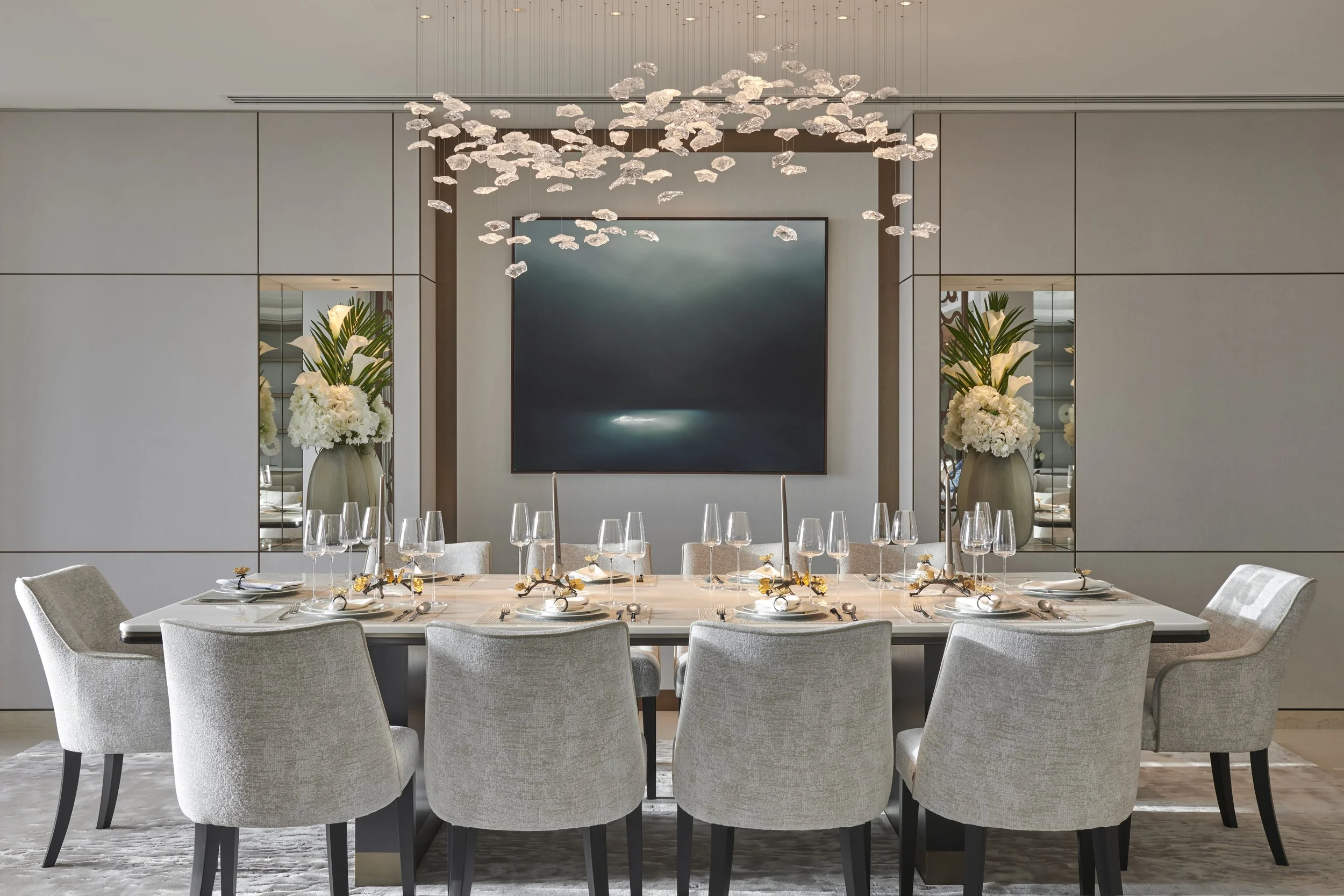
Lumi Interiors Palm Jumeirah Penthouse Project
Dubai has such a rich and ever-evolving cultural scene. Which cultural spaces do you personally find most inspiring, and why?
I find Alserkal Avenue incredibly inspiring because it supports independent galleries, experimental art and creative dialogue. I also love Jameel Arts Centre for its calm architecture and strong curatorial voice.
These spaces nourish creativity in a quieter, more reflective way, and they remind me that design is not only about luxury, but also about cultural depth and storytelling.
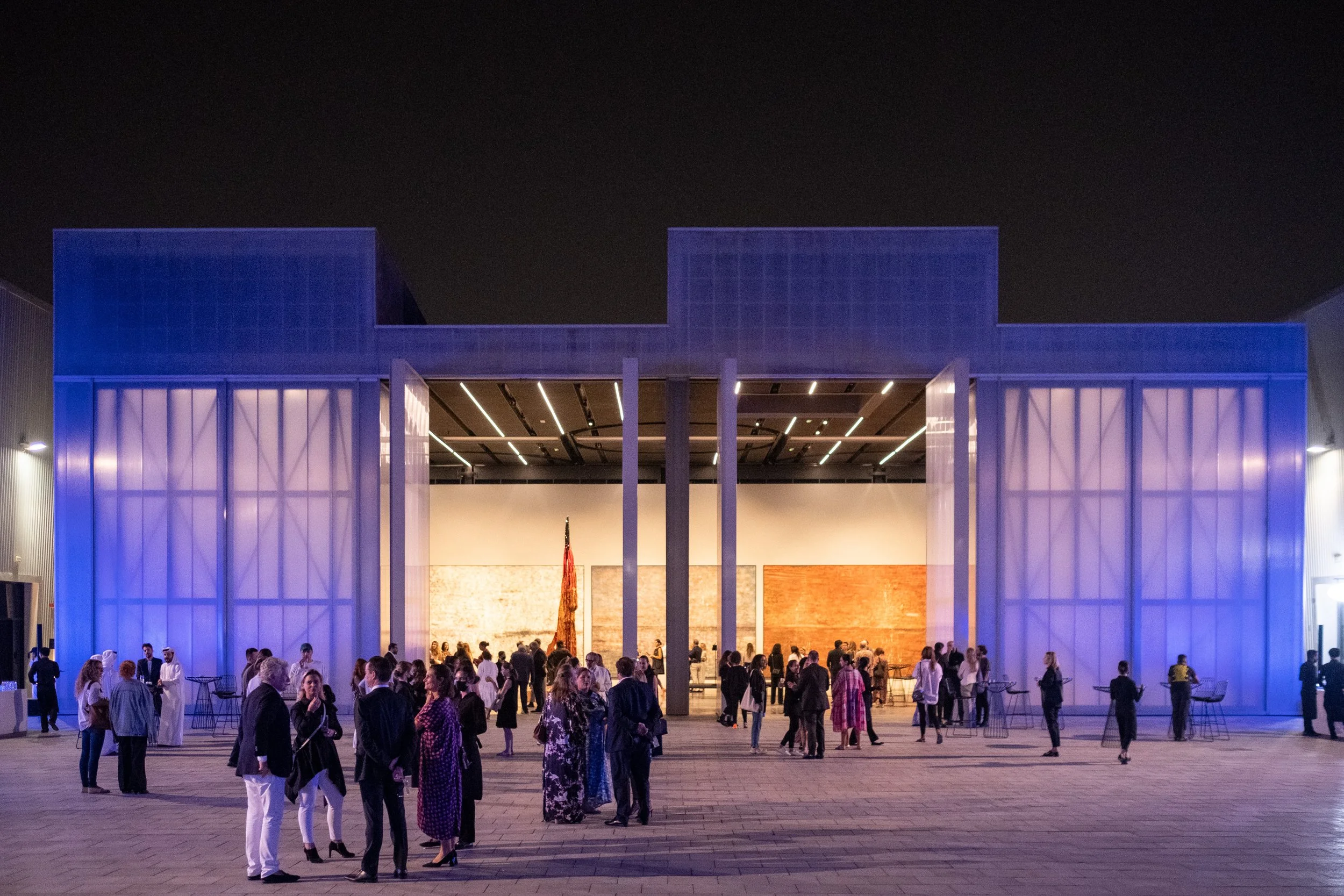
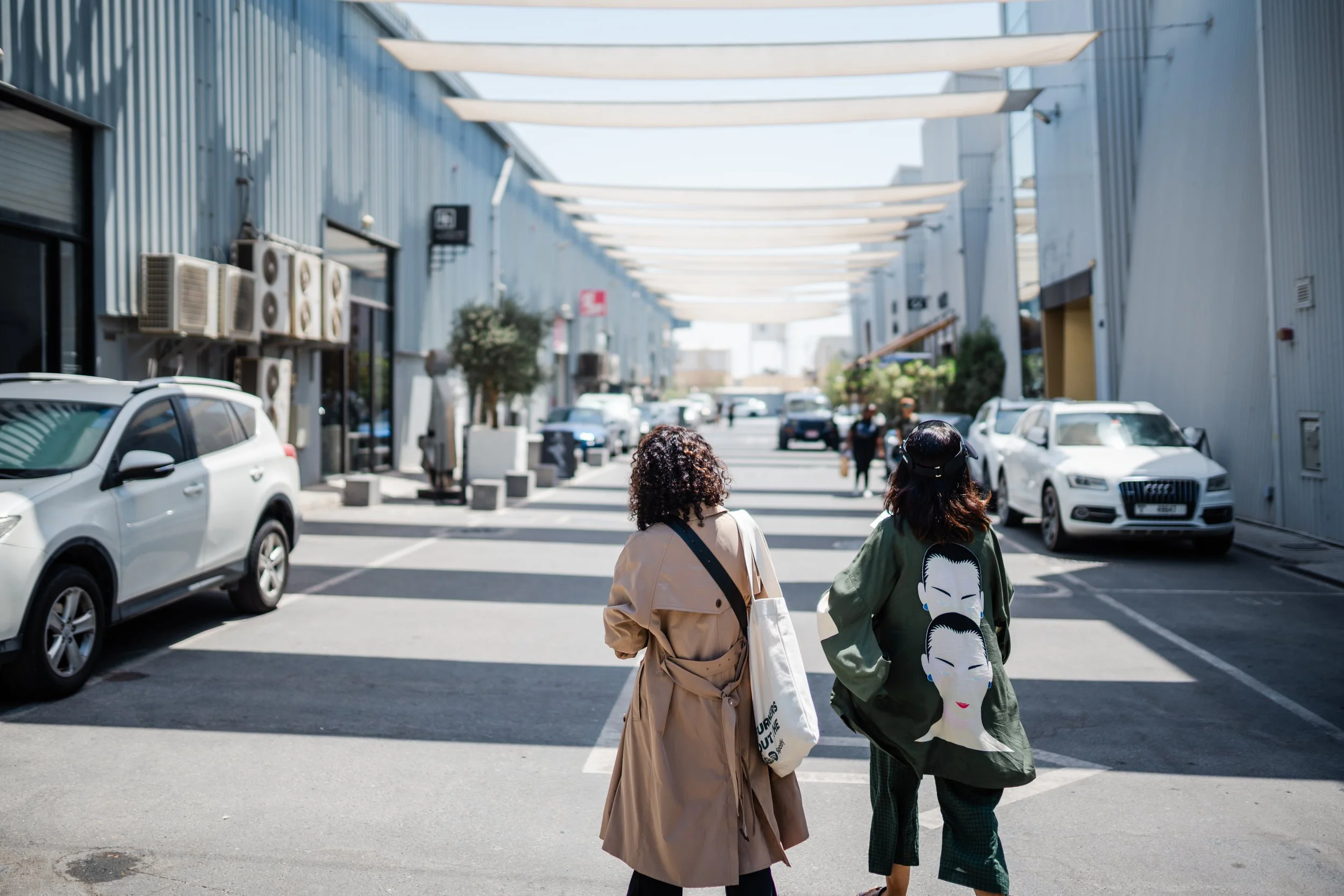
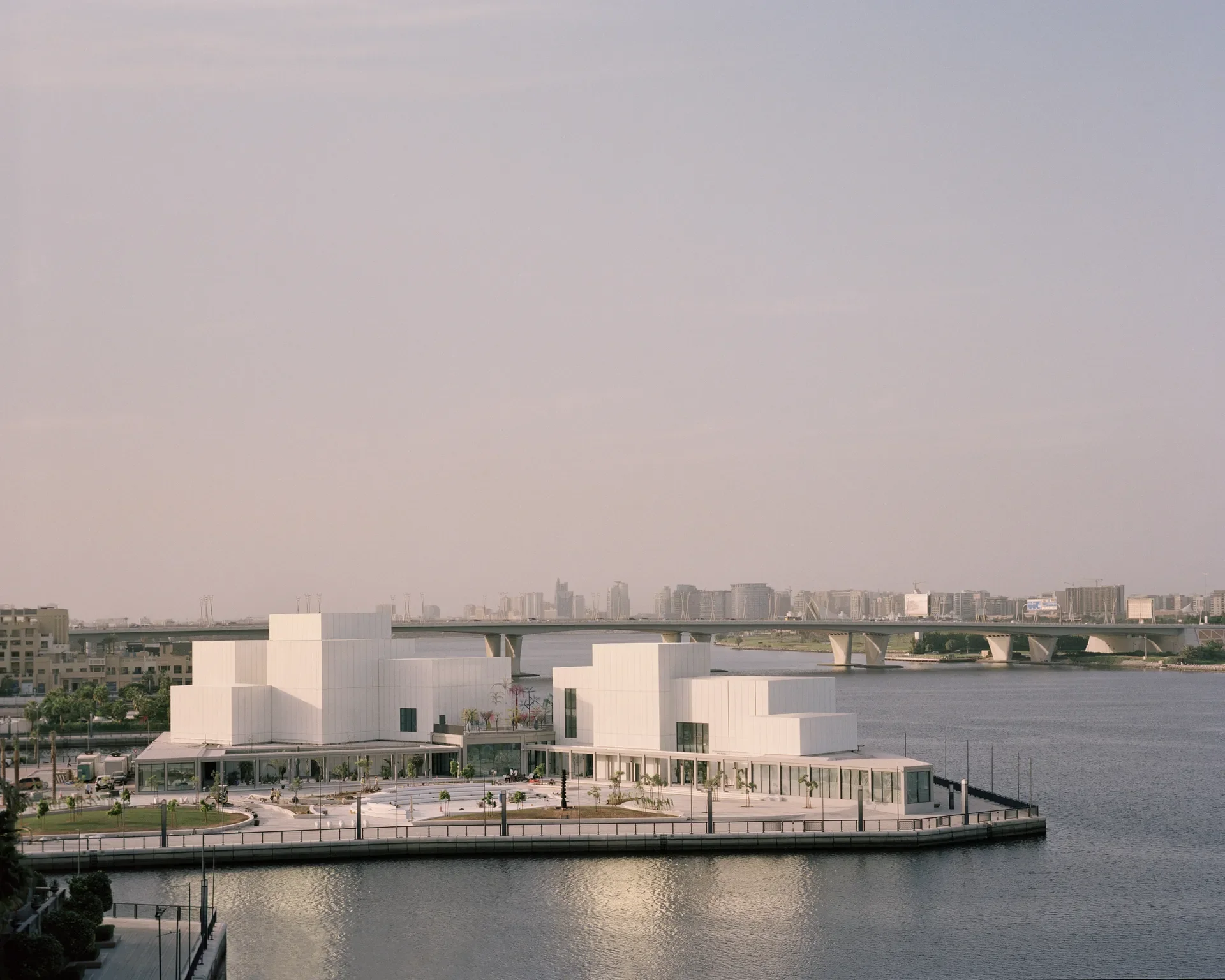
Top: Alserkal Avenue - Sterling Ruby at Concrete, 2022. Photo Augustine Parades, Seeing Things - Bottom Left: Alserkal Avenue courtesy of the Dubai Cultural Authority / Bottom Right: Jameel Arts Centre
For anyone visiting or new to the city, what are your go-to recommendations for the best bars, restaurants or local experiences in Dubai and the wider UAE?
I always recommend experiencing Dubai beyond the obvious. For atmosphere and refined dining, I love the restaurants at Four Seasons Resort Jumeirah Beach as they are consistently beautiful and elegant. I also love wandering around the various Souks of Dubai, and taking in the sensory overload from the spices, gold and jewellery on offer. I find it very calming to be transported to another world – a route back to the Dubai of the past.
I also believe spending time by the sea is essential - whether it’s a quiet morning swim or a sunset walk, and I’m often found in or around the water as I love to swim. Dubai is a city of contrasts, and the magic is in experiencing both its calm and its energy.
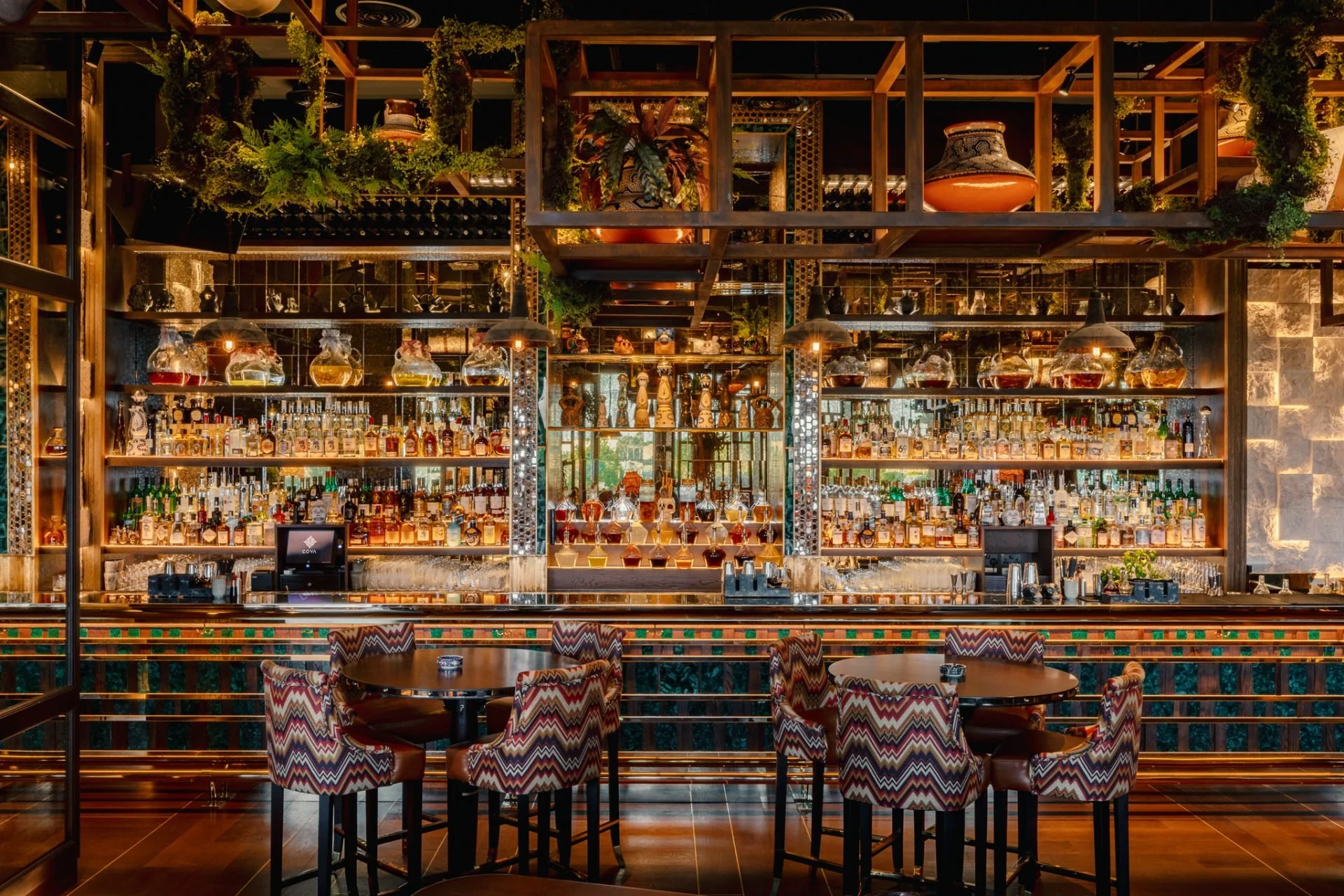
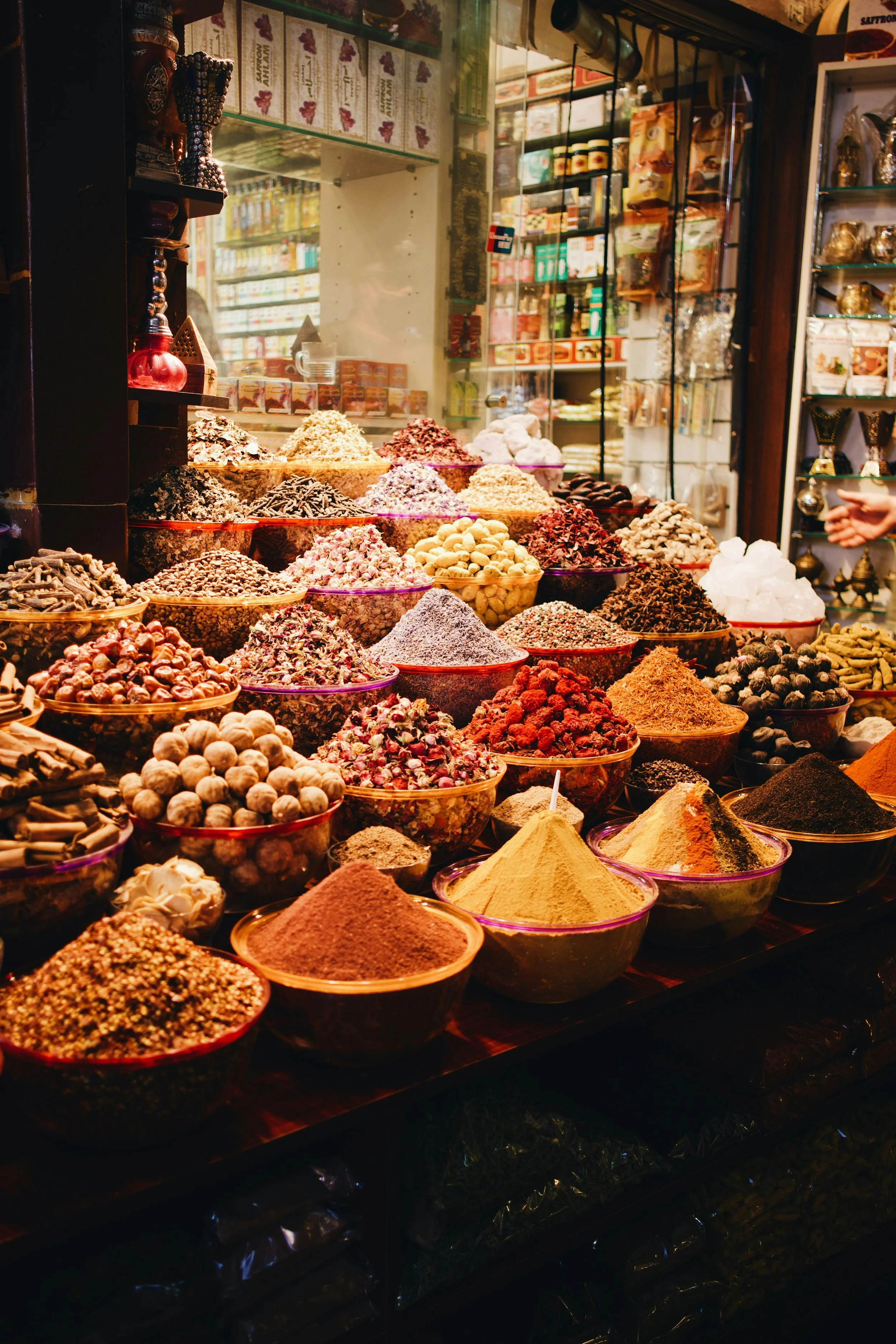
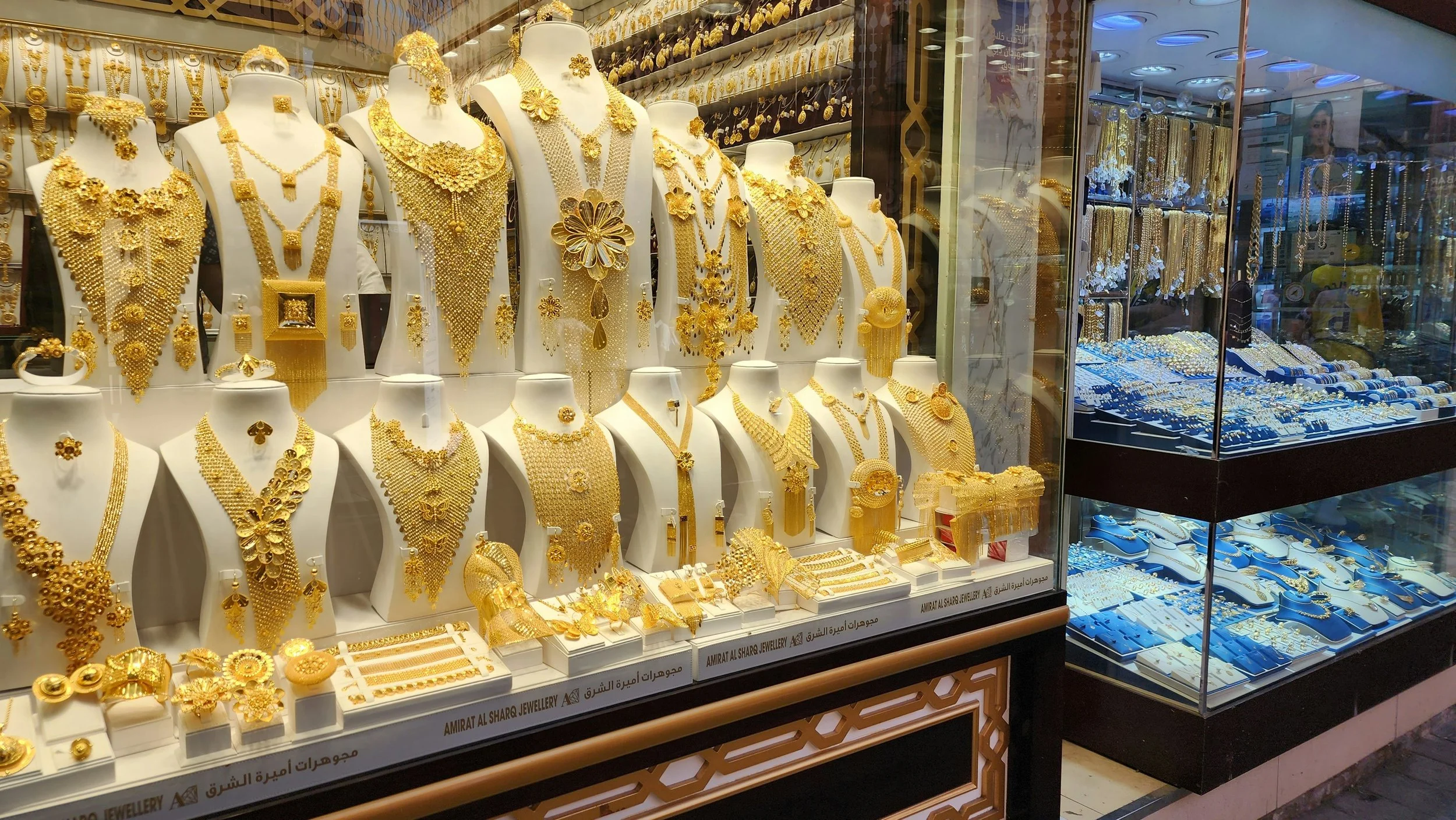
Top: COYA Dubai courtesy of Four Seasons resort Dubai at Jumeirah Beach / Bottom left: Dubai Souk photography: Rumman Amin / Dubai Souk photography:Sarim K
It was a pleasure to sit down with Alua Kul and gain a deeper insight into the philosophy and precision behind Lumi Interiors. We would like to thank Alula for her time and openness throughout the conversation, and for welcoming The Fluxx into her Palm Jumeirah studio. For Editor Martyn, experiencing the space first-hand offered a tangible understanding of Lumi’s design language — a studio that embodies the same quiet luxury, structure and material richness that defines the brand’s interiors.