In Conversation with: Kais Salman
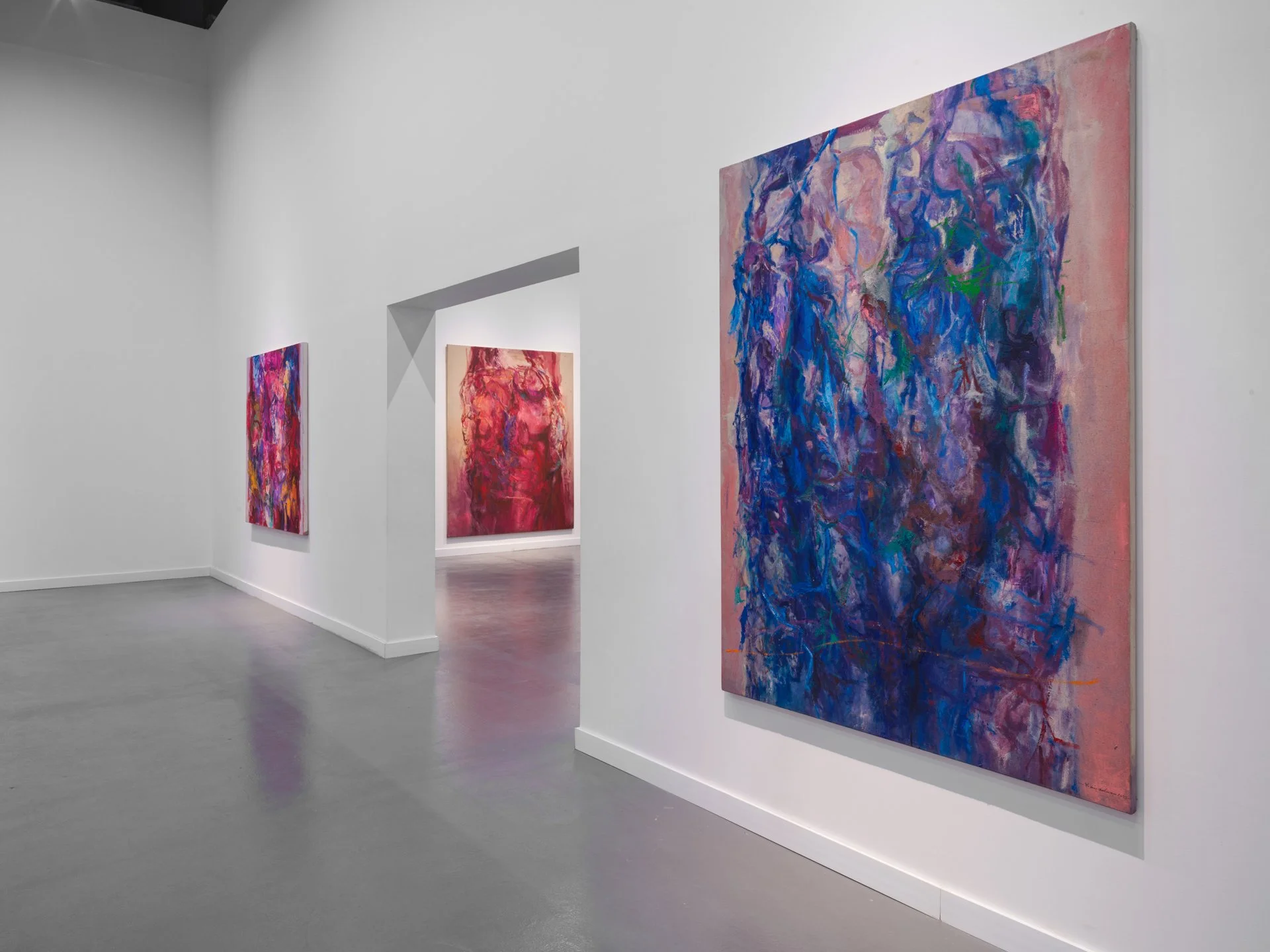
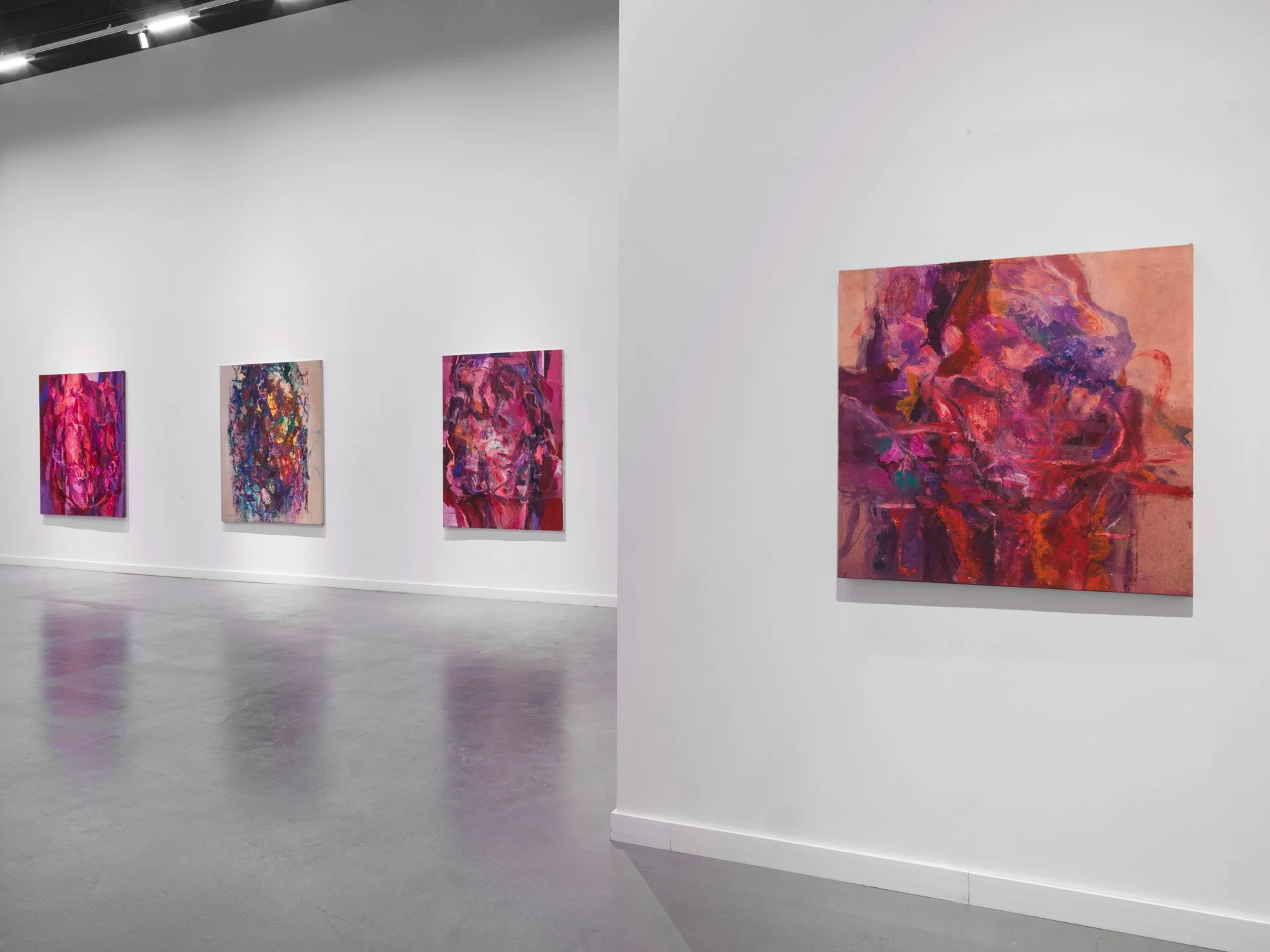
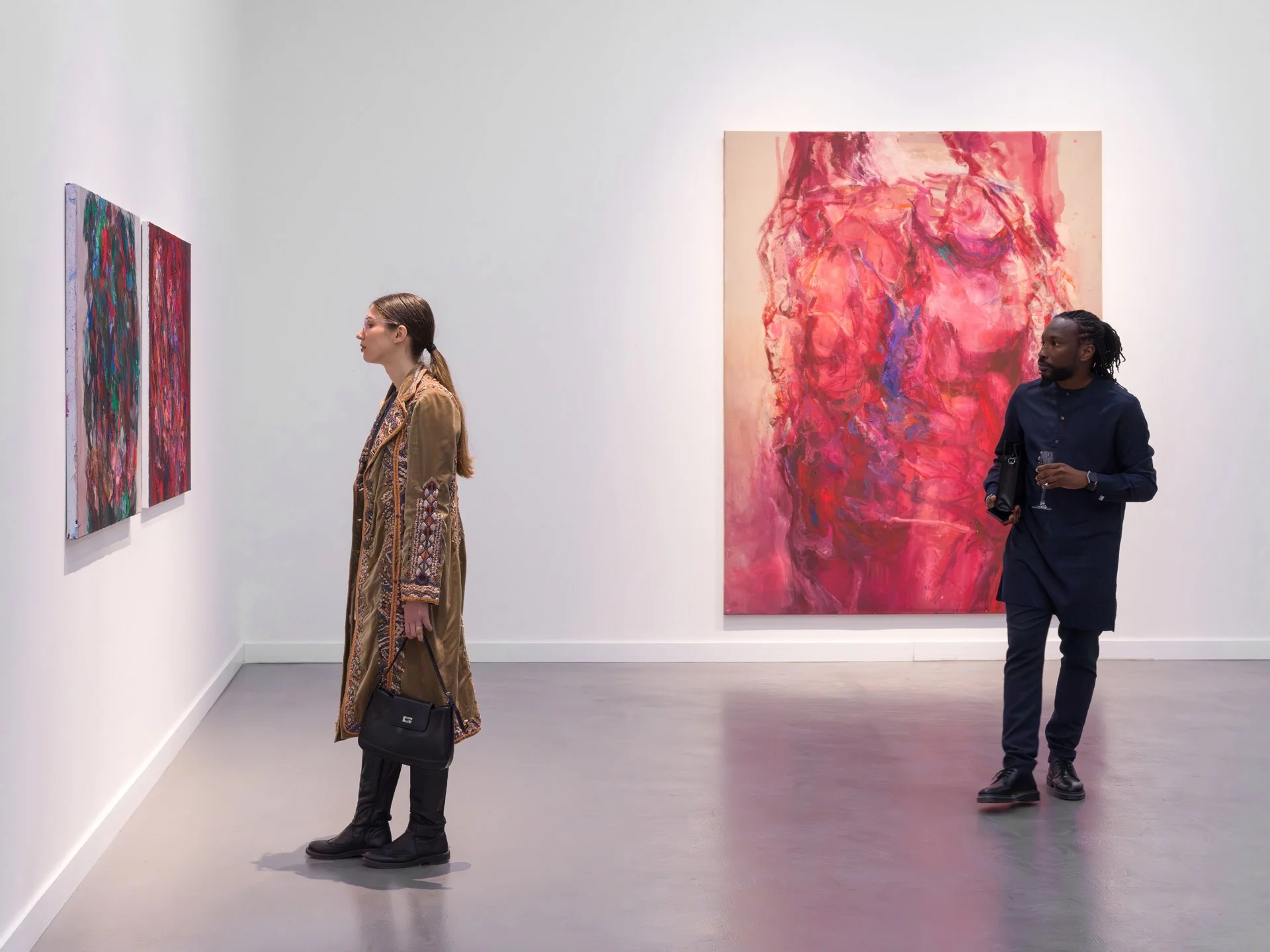
As one of the most distinctive voices in contemporary Middle Eastern painting, Kais Salman continues to push the expressive limits of figuration and abstraction. His latest exhibition, Remnants, currently on view at Ayyam Gallery, Dubai, until 28 February 2026, deepens his long‑standing investigation into the human condition—tracing its fractures, endurance, and the quiet moments of transformation that emerge from states of conflict and displacement. Through layered compositions where faces, forms, and landscapes dissolve and reassemble, Salman invites viewers to confront the fragile boundary between memory and erasure, presence and disappearance.
In this conversation with FLUXX Middle East, the Syrian-born, Dubai‑based artist reflects on the philosophical roots of Remnants, the evolution of his visual language, and the emotional and cultural tensions that continue to shape his work. From his sculptural approach to paint to his understanding of art as an open space for questioning rather than resolution, Salman offers a nuanced perspective on creation in a world defined by uncertainty, movement, and transformation.
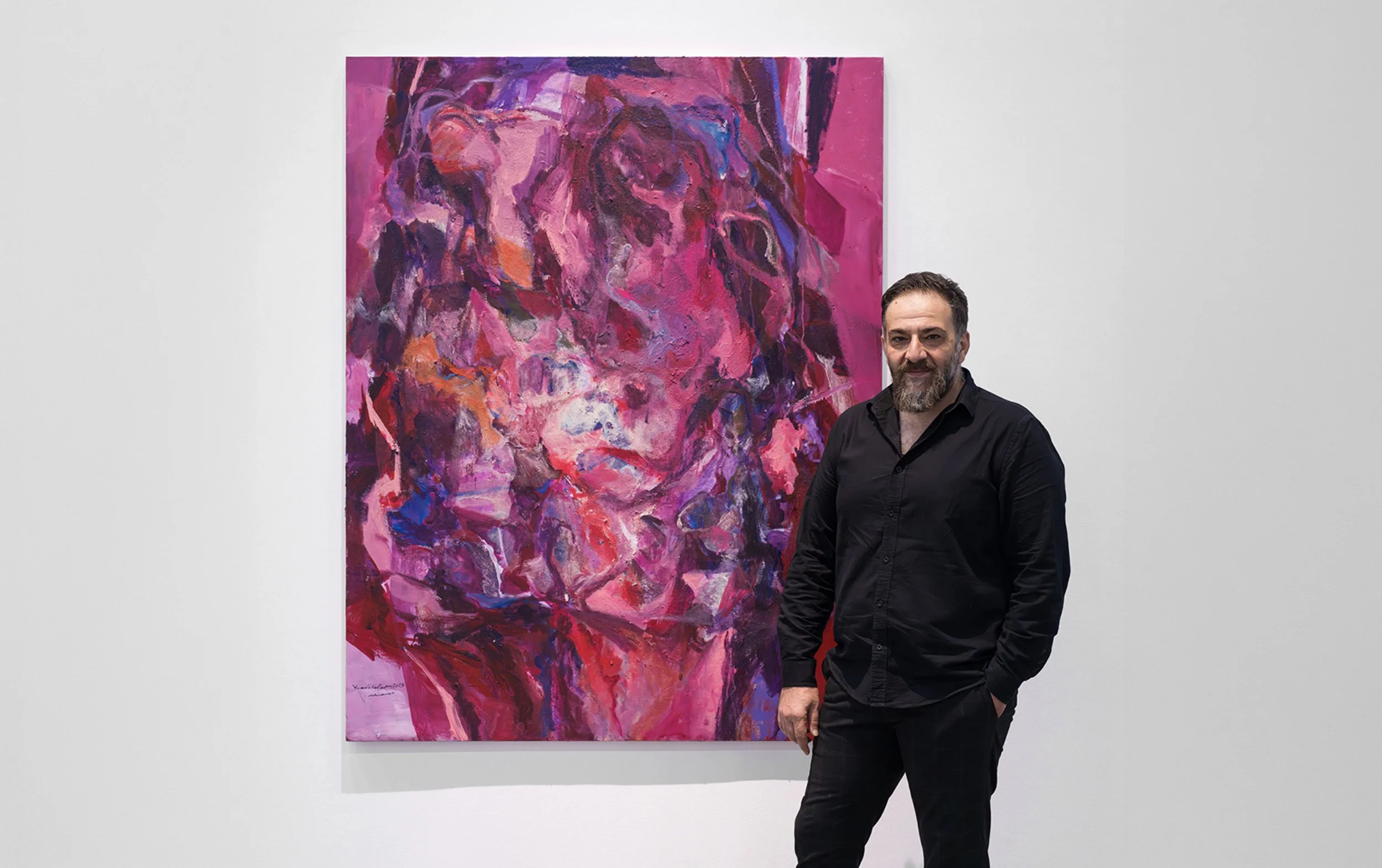
Your current body of work places audiences among fragments of memory and visual ruins. How did this concept of “Remnants” emerge, and what does it reveal about your relationship to history, presence, and loss?
My practice generally explores the relationship and tension between form and abstraction. In the past, when critiquing social behaviour, I focused on form and its appearance, initially emphasising the human figure. The destruction of this form allowed tragedy and suffering to intrude, prompting me to shift my attention toward the suffering of the human form itself.
Alongside the many social issues present worldwide, there is a violation of fundamental human values and the essence of humanity. During acts of violence, I try to capture the fleeting moment of dissemblance and the re-emergence of human presence as it reconnects with nature. To me, this moment defines peace, and it is the only moment I see as such.
This moment of transformation is what I call loss, not as an actual loss, but as the loss of the past and everything the human form once held and leaves behind in pursuit of a deeper manifestation. Therefore, I aim to draw out the soul of things.
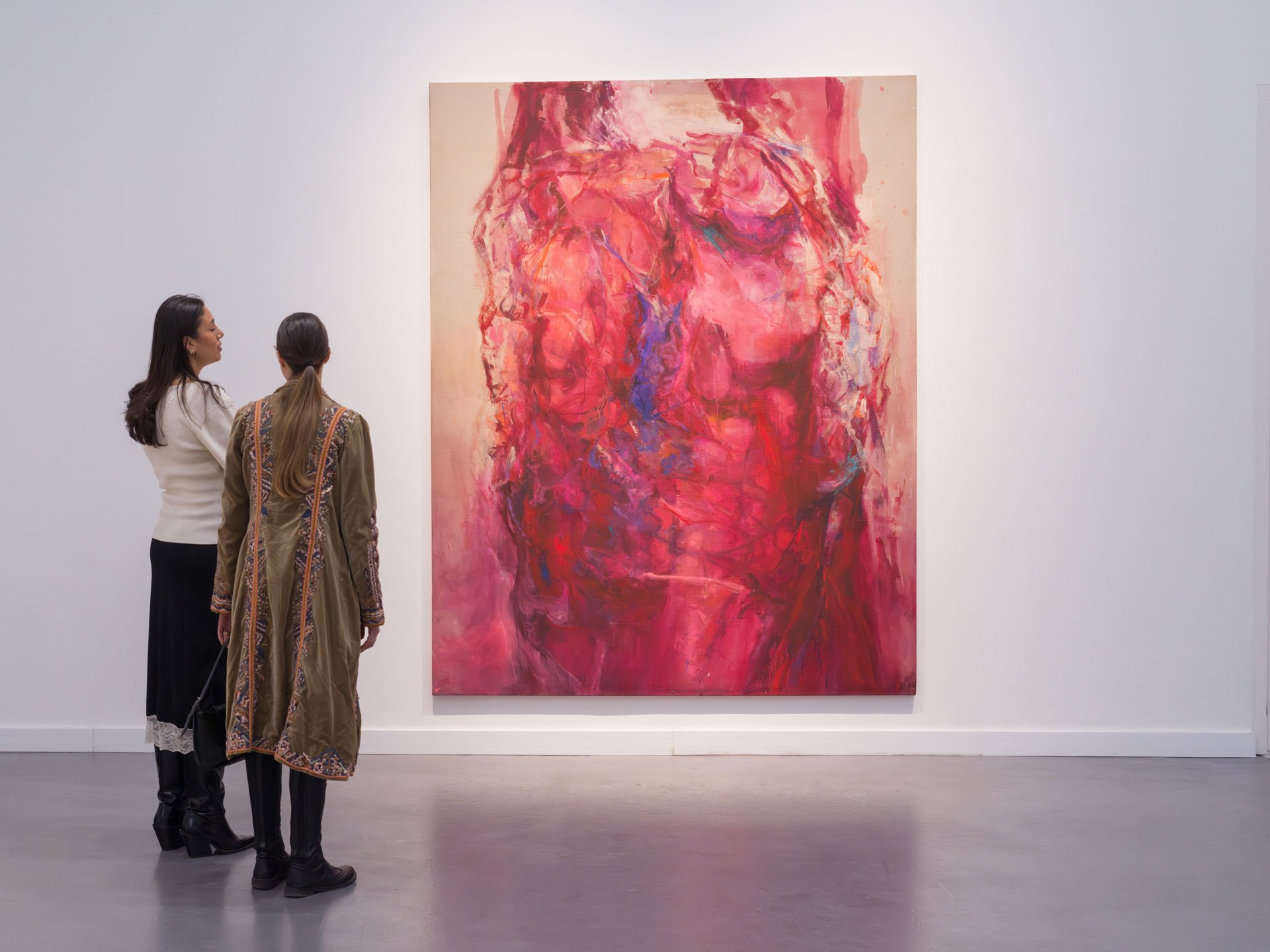
Your practice frequently blends abstraction with figurative suggestion, with faces and forms appearing and disappearing in the layers of paint. How do you approach this tension between recognisability and ambiguity in your compositions?
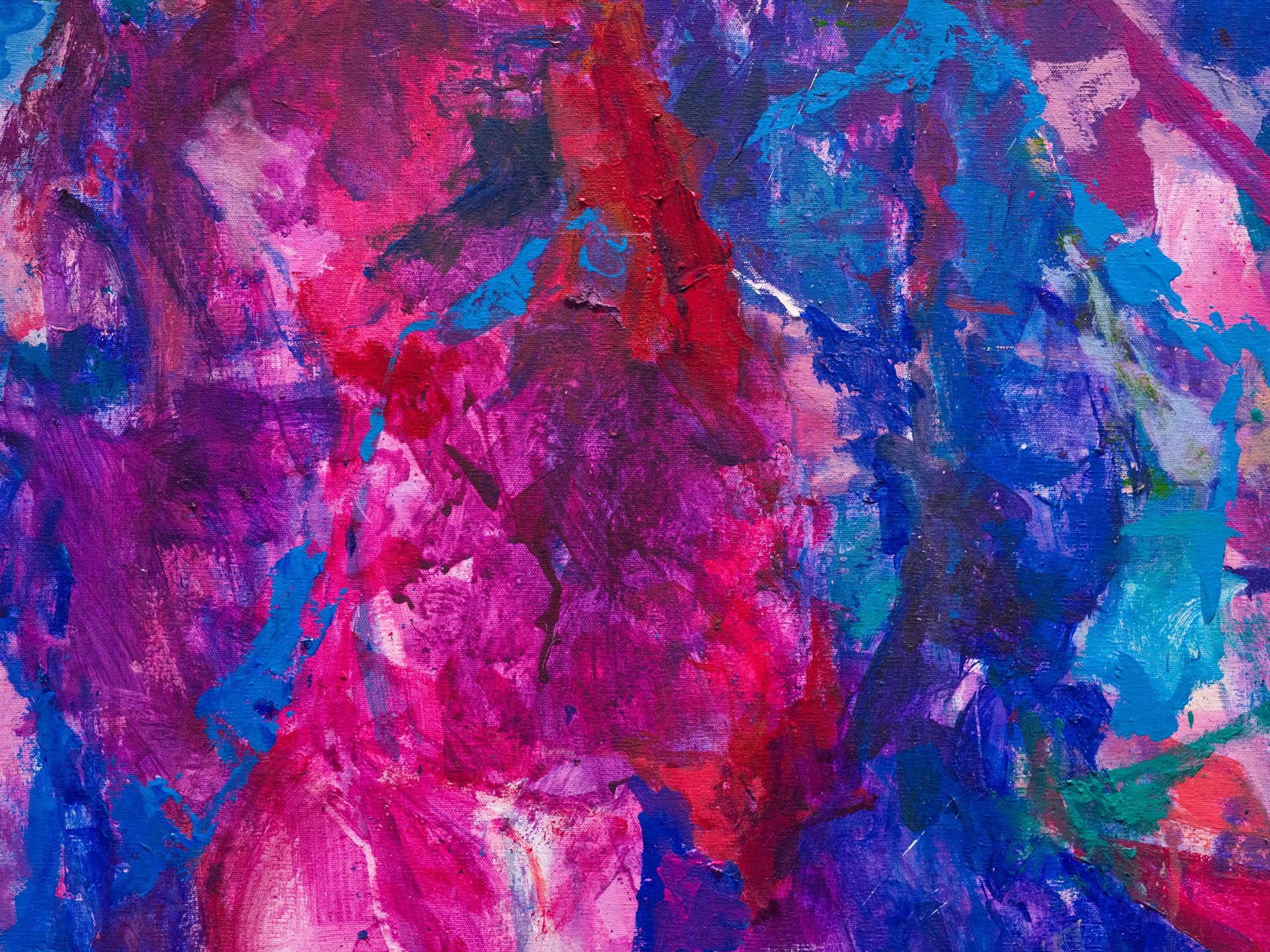
This ambiguity lies at the core of my artistic practice. By dismantling the form and blindly exploring the facial features I portray, then reconstructing the form in various ways, I make the face resemble the earth itself. I approach my layering as if sculpting clay, gradually shaping forms and the face as a whole.
This ambiguity, therefore, becomes the driving force that compels me to complete what remains incomplete, as I find beauty in things that are unfinished.
Satire and social commentary have long been central themes in your work, addressing issues from political corruption to consumerism and digital voyeurism. How do you balance the seriousness of these topics with the expressive, often visceral energy of your painting technique?
An artist’s touch and the act of leaving emotions on the canvas are what matter most. This energetic release of emotion guides me toward a certain violence. Previously, my painting technique focused on shaping forms and clarifying them through immediate paint applications. However, with my shift from dark humour to tragedy and drama, I have emphasised the free application of brushstrokes, which helps me better express my philosophical ideals.
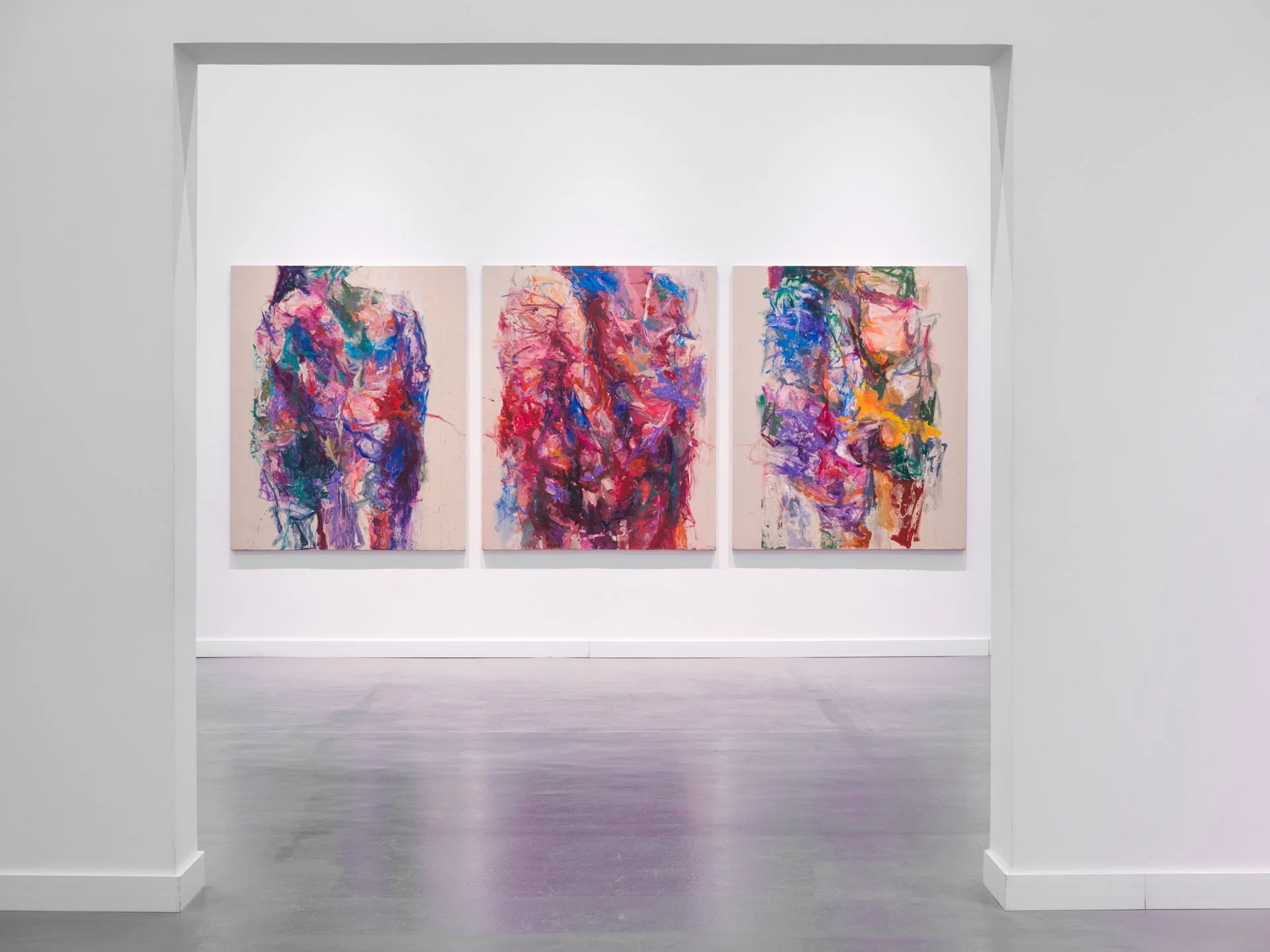
Your brushwork often feels urgent, almost alarm-like, inviting viewers into a dialogue rather than presenting a definitive answer. How important is questioning to your artistic process and to how you hope audiences engage with your work?
I have always believed that art does not offer answers but instead uncovers questions. The visual dialogue in an artwork is a feeling-based language, similar to the emotional experience of music. When viewers can understand this language through the visuals I create, it establishes an international connection and a clear bond between the viewer and my work.
The world created through the language conveyed in art becomes a realm of discovery and ignites thought. A piece that does not simultaneously evoke this sense of searching is a finite work, one that ends once it is perceived. An “open” work, however, is one through which you constantly discover both the world and yourself.
Your paintings often begin in abstraction and evolve organically as you build and layer colour and form. Can you walk us through a typical creative process, from the first gesture on canvas to the final mark?
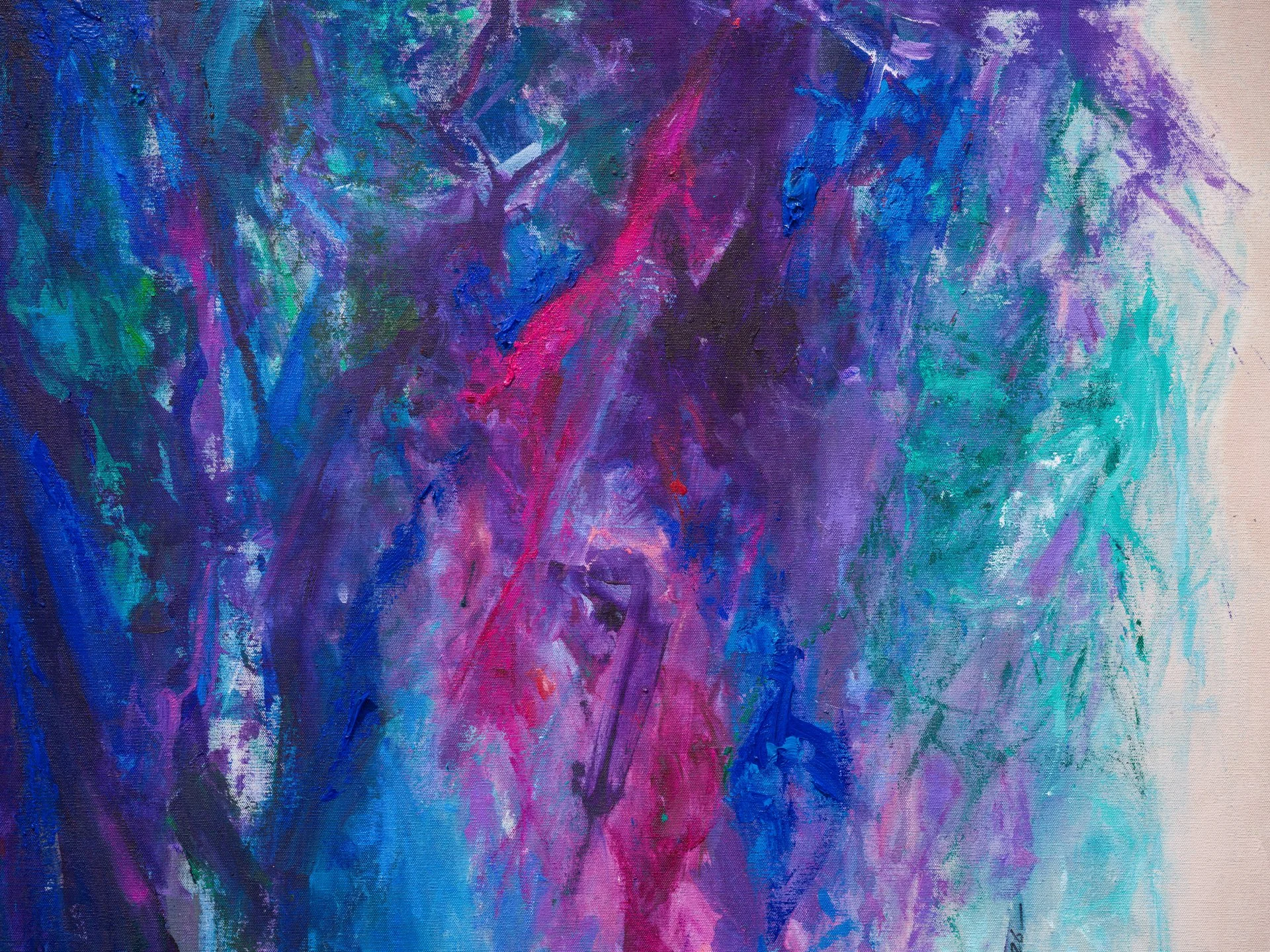
When it comes to colour, every artist has what I like to call a “sensibility to colour” that is unique to them. This sensibility naturally shapes an artist’s particular colour palette, which then helps develop the themes and emotions within their work. I start my process by layering translucent colours. My goal, toward the end, is to create a pictorial surface that combines transparency, flat paint applications, and thicker impastos, evoking the feeling of running one’s hand across a ground layer that holds remnants, meaning it is not flat or lacking raised surfaces.
This sensation must also be maintained through visual scanning, not just through touch. Once the transparent layers are created, I move on to working with different areas and thicknesses of paint. Through building up these layers, the viewer can see traces of the original applications, as if witnessing the past memories embedded within the work. This process evokes a sense of time—past, present, and future—coexisting within the painting.
As a Syrian artist now based in Dubai, how has the experience of displacement and relocation shaped your work, both thematically and emotionally? Have you found new ways of translating memory and longing into your visual language?
A person is a combination of their experiences, and these experiences have shaped who I am today and influenced my practice, along with shifts in my personality. Therefore, it is not simply the act of physical displacement that has impacted my work, but rather the accumulation of emotions over time and through experience that has influenced my practice
Dubai’s art scene is increasingly a crossroads of cultures. How has living and working here influenced your practice compared to your earlier years in Syria, and what unique opportunities or challenges has this shift presented?
There is no doubt that my experience in Dubai has greatly exposed me to different cultures. However, each artist has their own concerns that reflect their unique ideologies and ways of thinking, often influenced by their origins. Currently, living in Dubai has given me a safe space where I can focus on painting without being distracted by my surroundings.
Dubai is a city of contrasts, from futuristic architecture to rich cultural heritage. When you’re seeking inspiration outside the studio, are there specific places here—galleries, neighbourhoods, cultural spaces, or even everyday haunts—that you find particularly stimulating?
Regarding inspiration, most of my work is fueled by questions and answers rooted in my emotional and introspective thoughts and states. I am one of those artists who prefers to lock myself in the studio and fully experience these emotions. Sometimes I spend hours in front of my work, sometimes just staring at it. That is how my creative process develops.
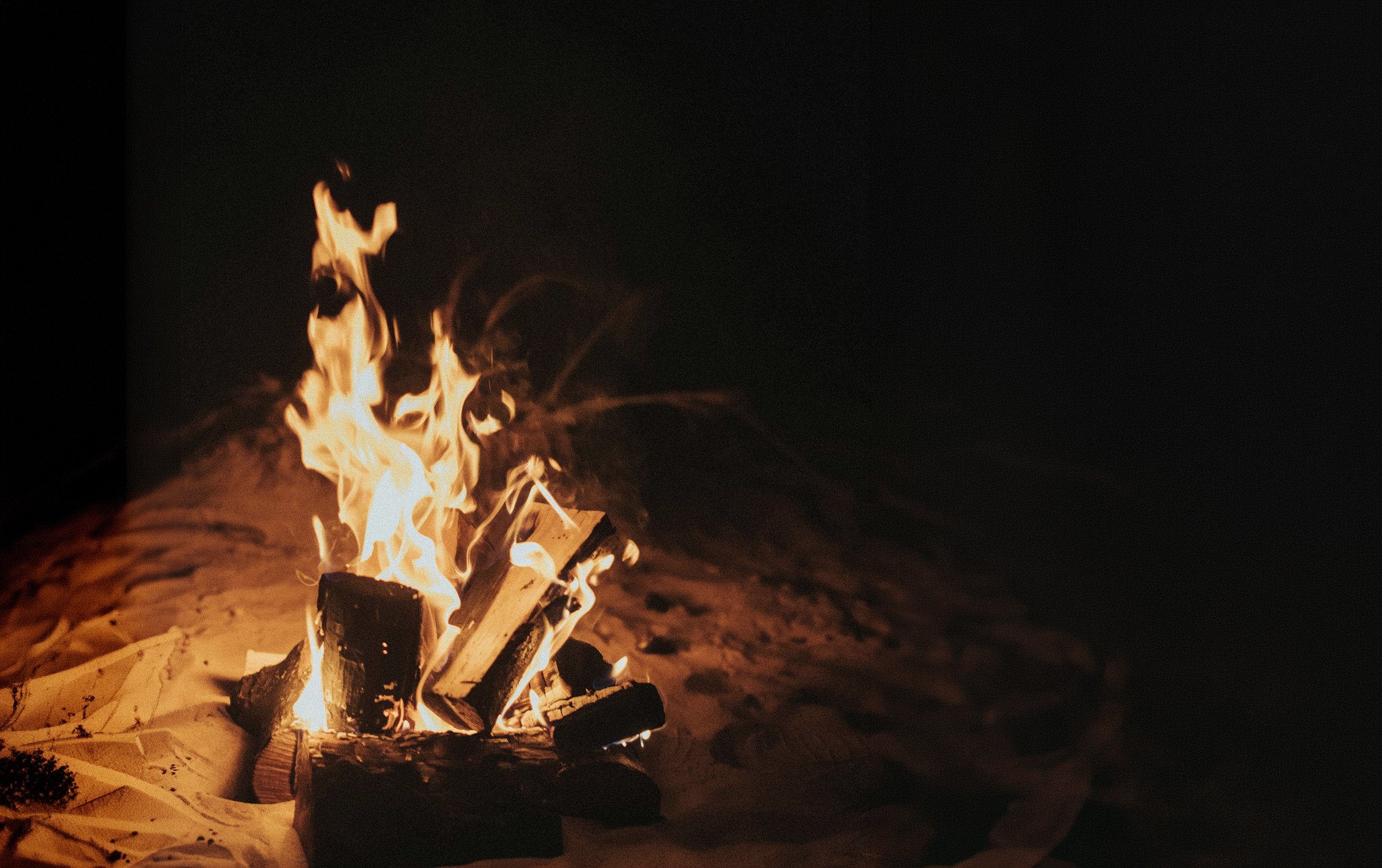
The only place I can see that might truly spark inspiration for me is going out into the desert and lighting a fire.
For visitors coming to Dubai and exploring creativity and culture, could you recommend a few places to see or experiences to have, perhaps outside the standard tourist path, that connect to your artistic sensibilities or the broader contemporary art ecosystem?
I mainly encourage visitors to explore cultural hubs like Alserkal Avenue, Art Dubai—which is now a widely recognised art fair—and other cultural institutions such as Maraya Arts Centre and Sharjah Art Foundation. All of these places play an essential role in educating our region about the art world and have the ability to showcase Middle Eastern culture and art to a larger international audience.
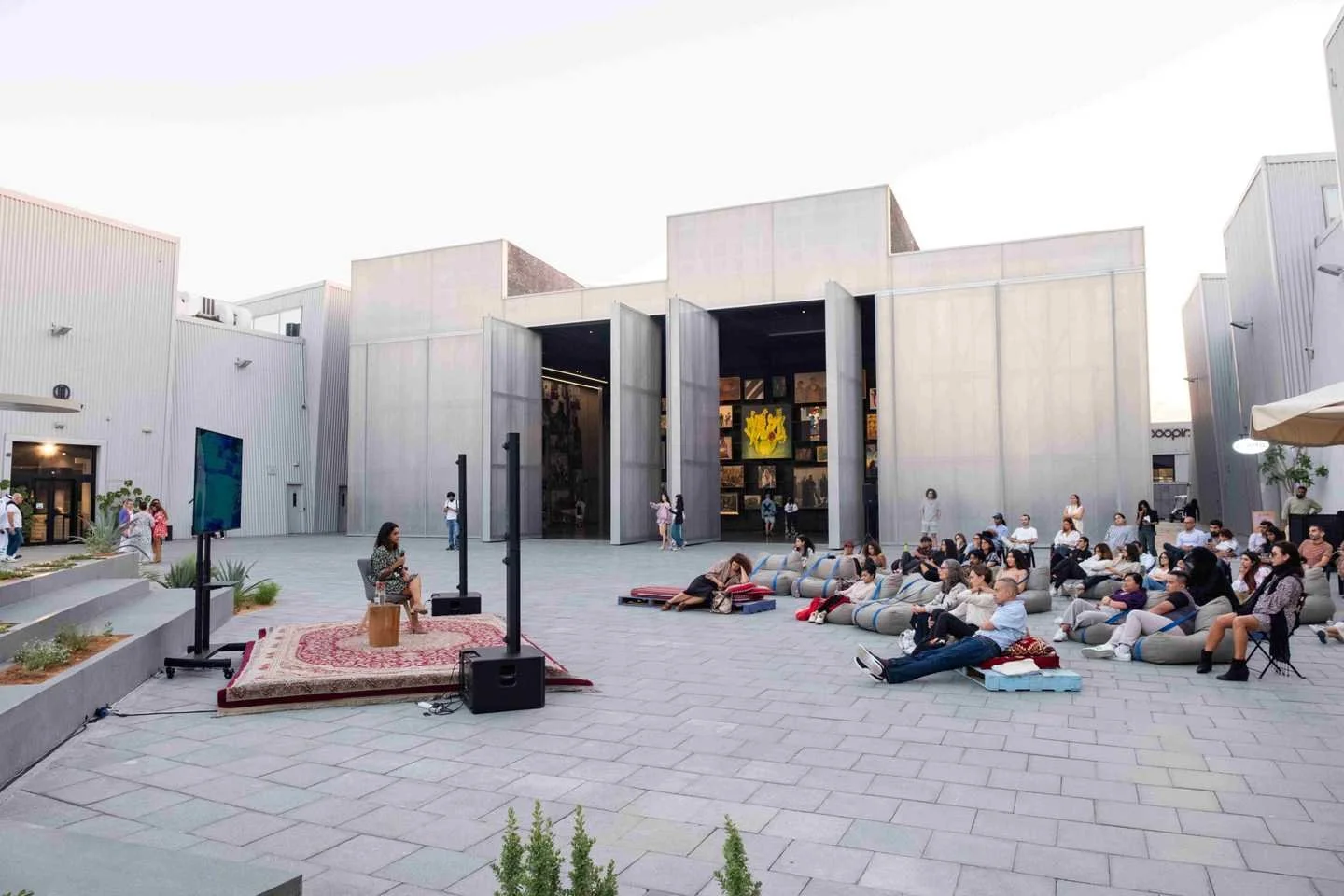
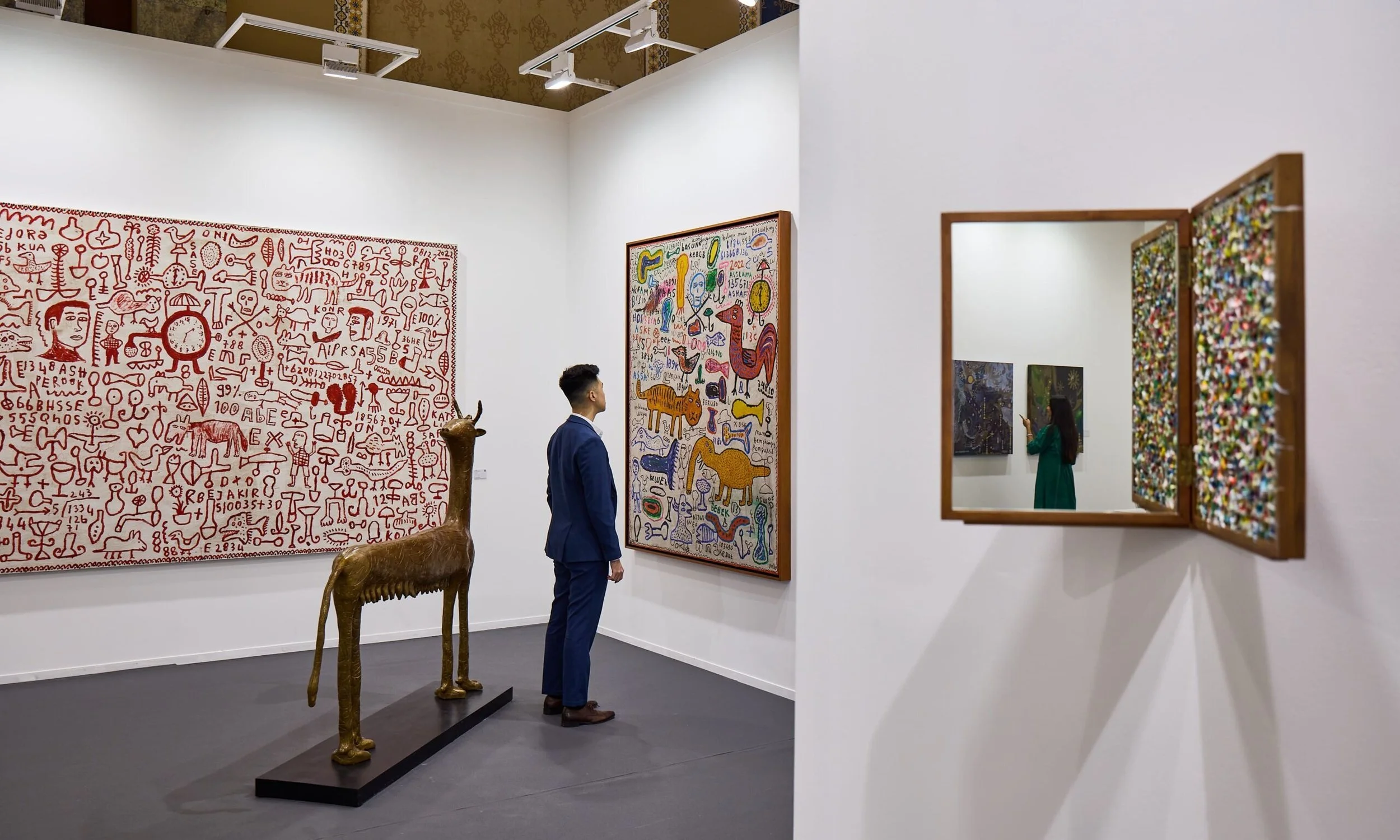
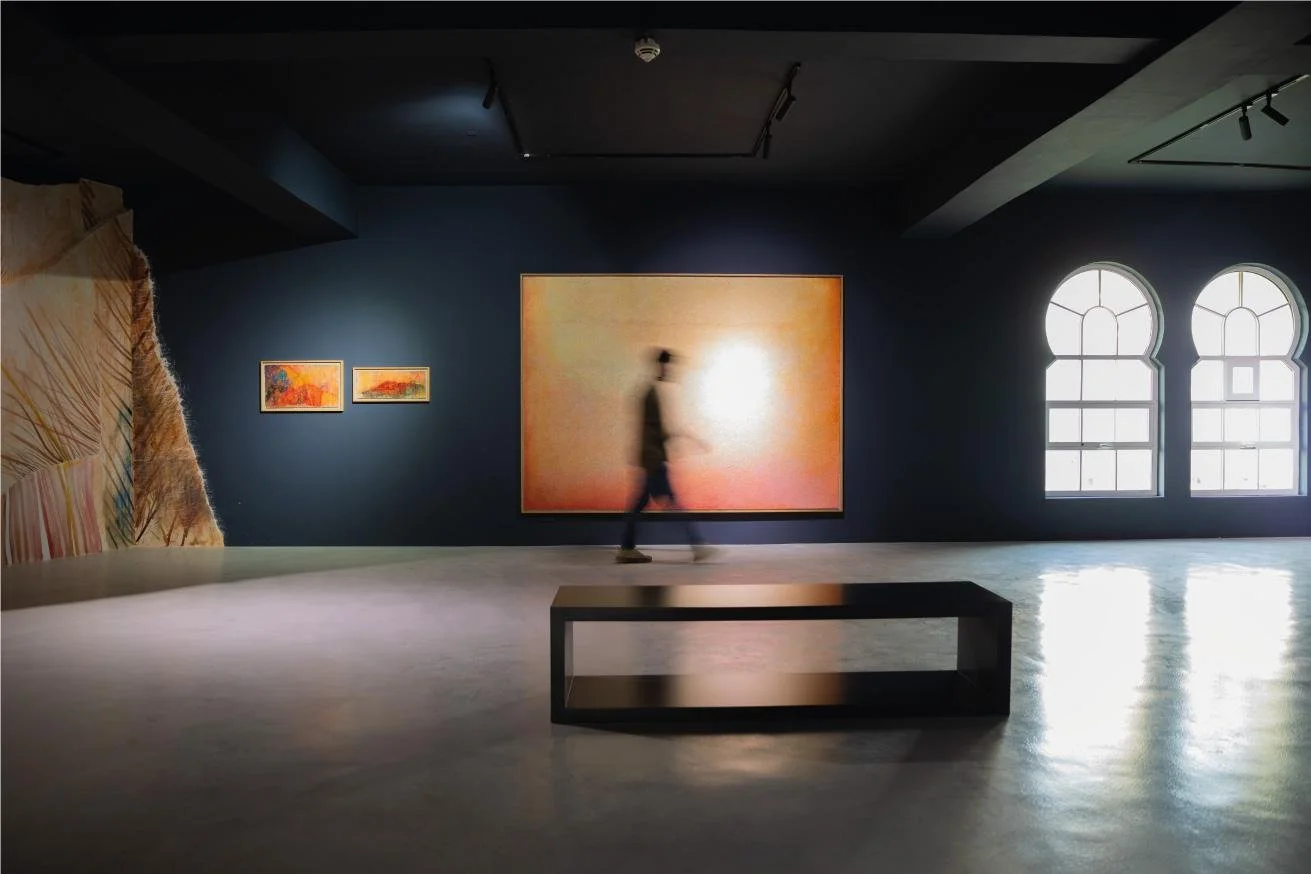
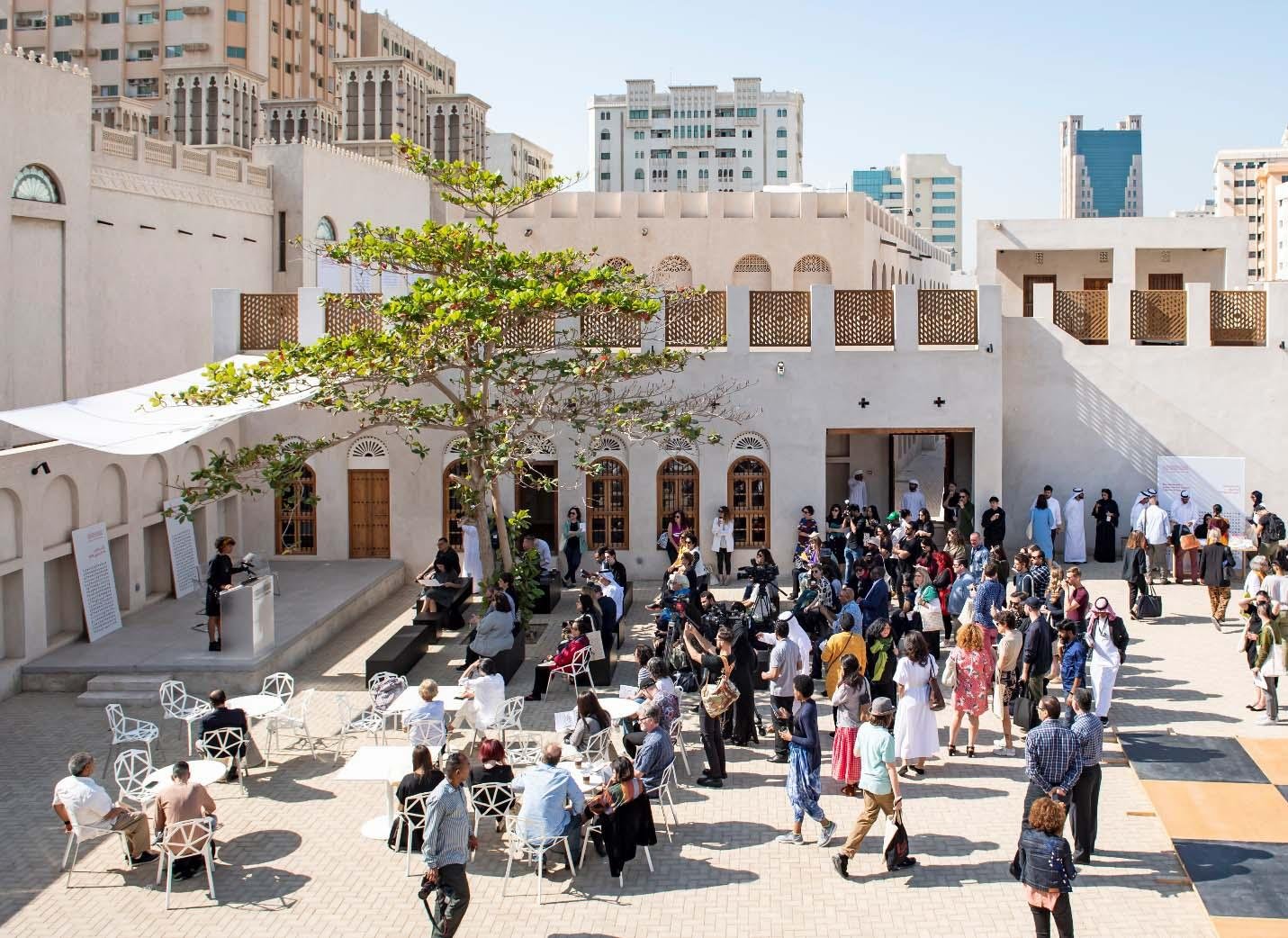
Top left clockwise: Alserkal Avenue / Art Dubai / Sharja Art Foundation / Maraya Arts Centre
I would like to extend my sincere thanks to Kais Salman for sharing his time, insight, and generosity in unpacking the depth of his creative process. His reflections provide a powerful lens through which to understand the emotional, philosophical, and material forces shaping his work today. For those wishing to experience these ideas firsthand, Remnants is currently on view at Ayyam Gallery, Dubai until 28 February 2026—a compelling opportunity to encounter Salman’s latest explorations of memory, transformation, and the enduring resilience of the human form.