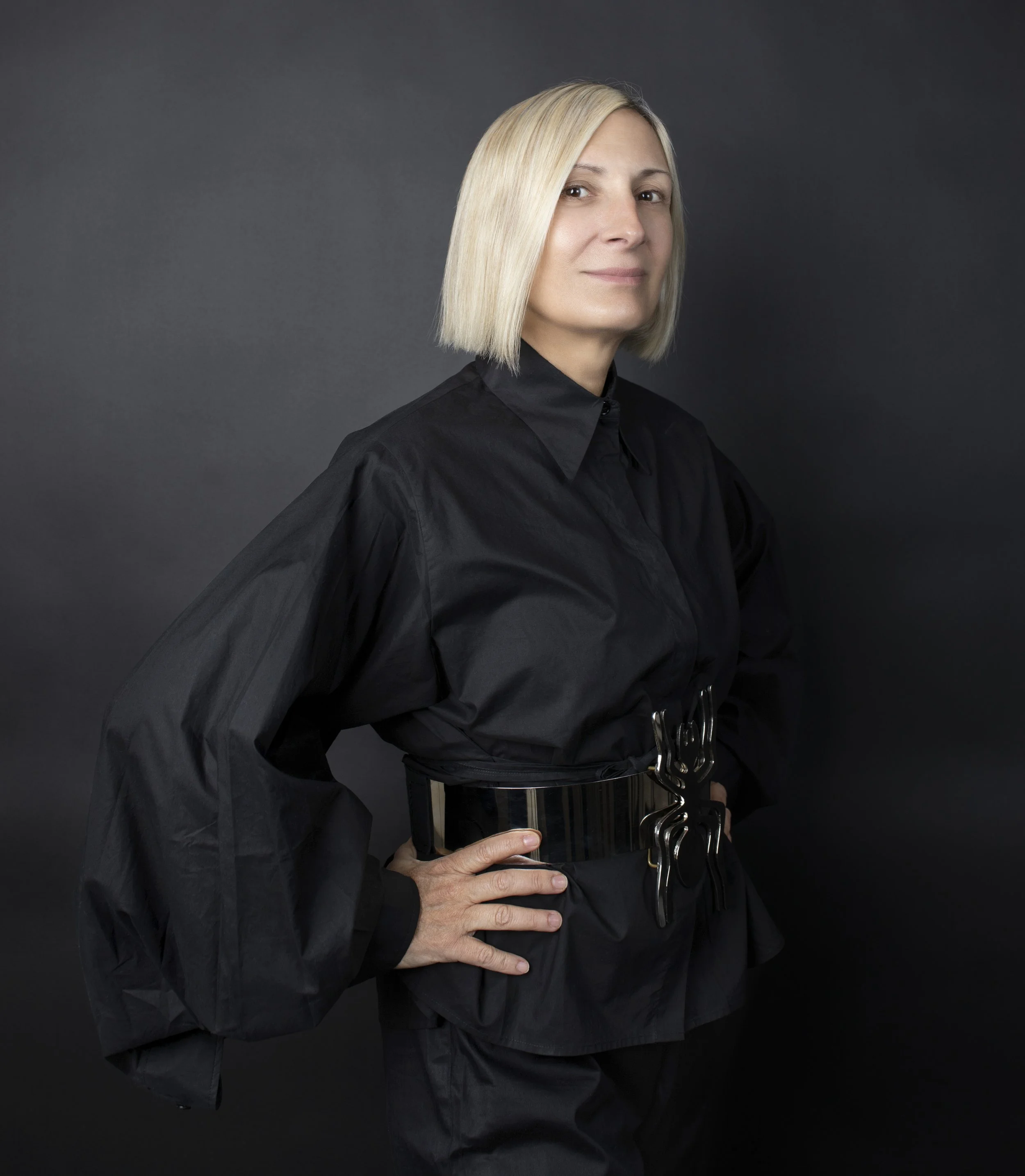
In Conversation With: Henriette von Stockhausen, VSP Interiors
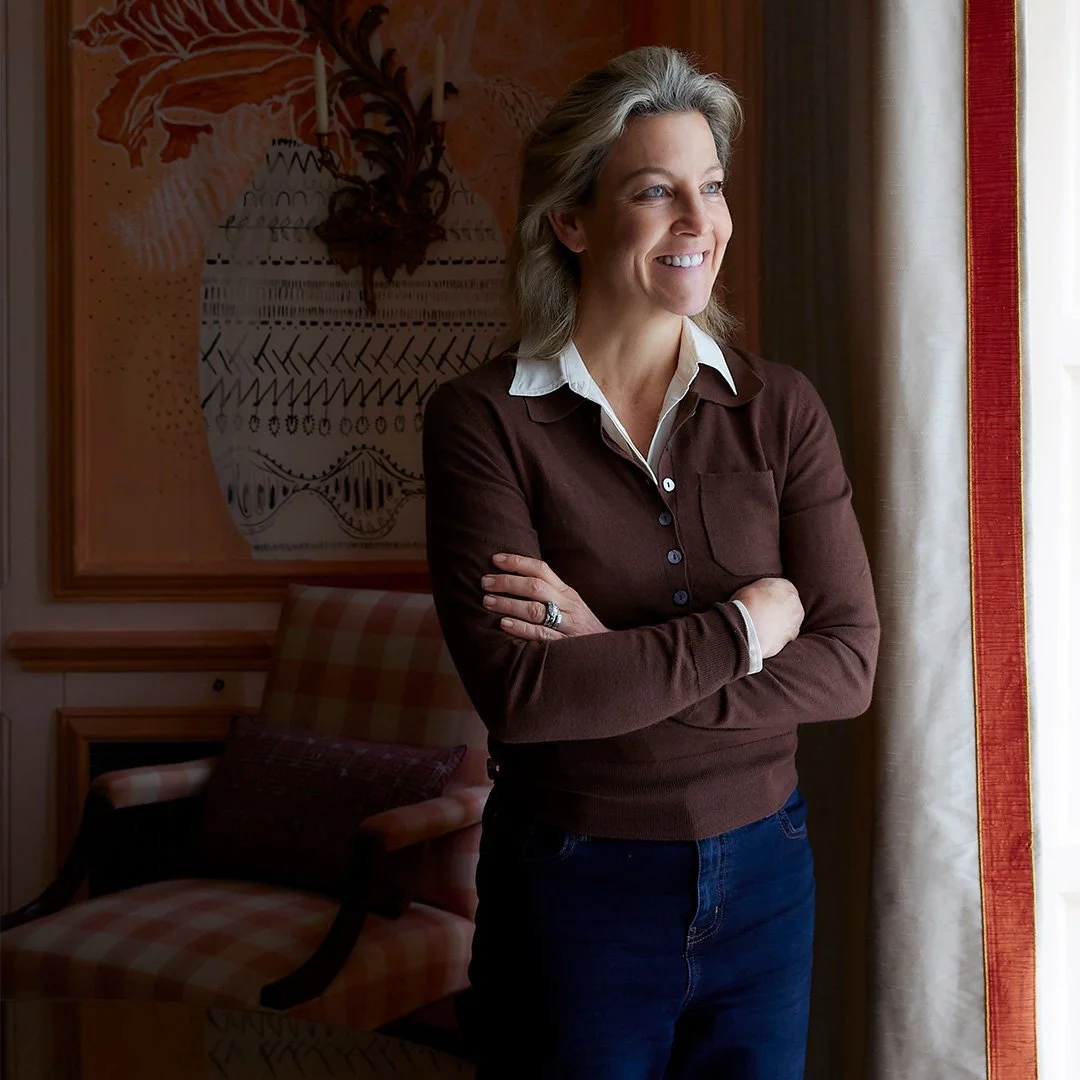
I am thrilled to share this conversation with Henriette von Stockhausen, the creative force behind VSP Interiors. This interview feels particularly fascinating for us at The Fluxx. While we often speak with contemporary designers pushing the boundaries of modern interiors, it is incredibly refreshing and important to shine a light on a studio whose work is rooted in heritage, historical sensitivity, and the quiet power of timeless design.
VSP Interiors has long been admired for its ability to bring new life to period properties without ever overwhelming their character. Henriette’s projects are often described as calm, intelligent, and deeply human—spaces that feel both considered and effortless, where atmosphere is shaped as much by proportion and materiality as by craftsmanship and narrative. Her work reminds us that interior design is not only about innovation but also about stewardship, intuition, and creating environments that truly endure.
In this interview, Henriette shares her perspective on emotional atmosphere, timelessness, texture, the importance of narrative, and the art of working in harmony with historic architecture. She also reflects on collaboration, misconceptions about luxury, and the places she returns to for creative inspiration. It’s a deeply thoughtful conversation—one that opens a window into a vital area of the design world that deserves just as much visibility as the contemporary voices we often feature.
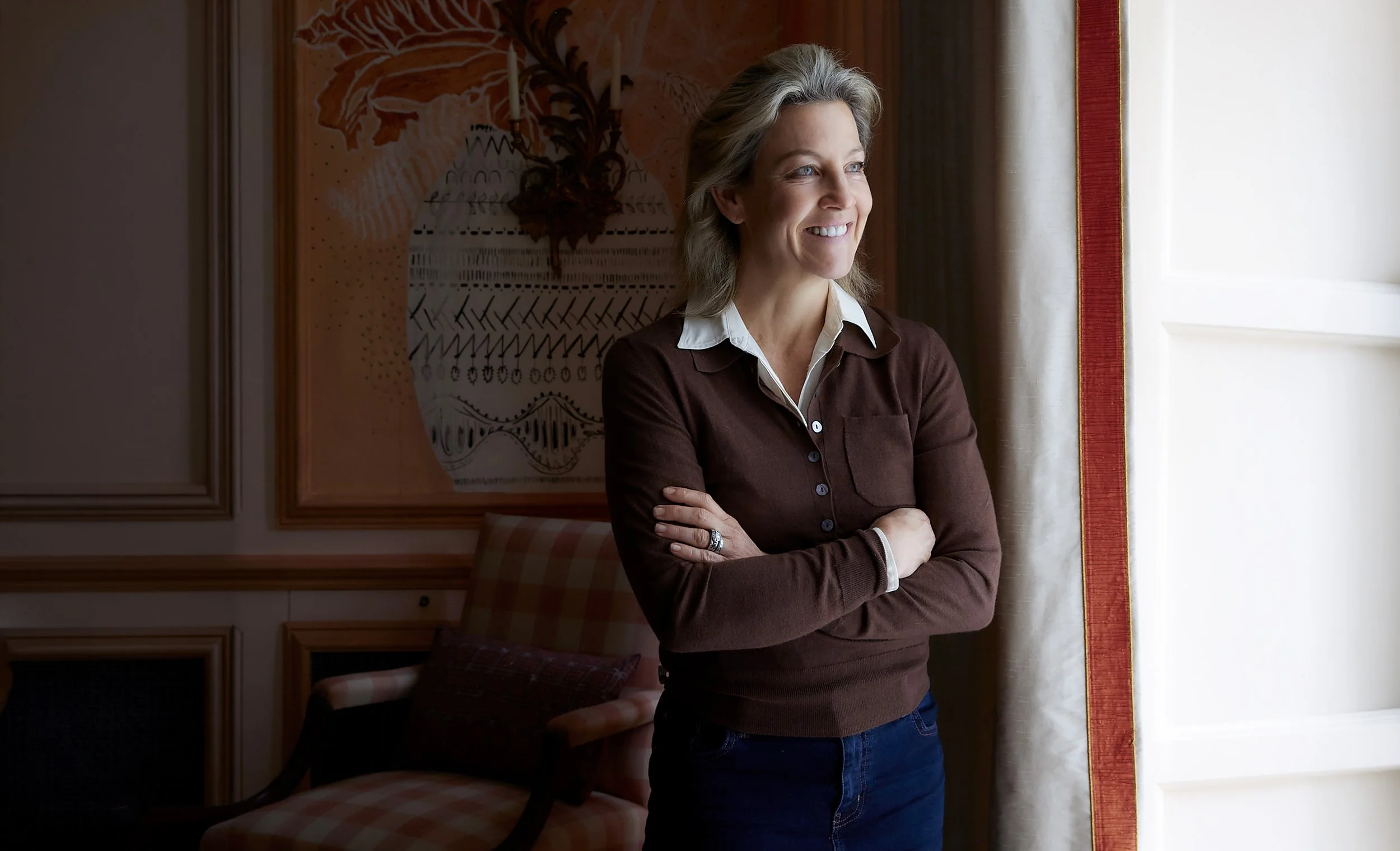
VSP Interiors’ projects are often described as calm, intelligent and deeply human. How would you describe the emotional atmosphere you’re always trying to achieve?
I am always striving for a sense of ease and comfort, creating spaces that allow people to exhale. For me, calm isn’t about emptiness or restraint, but about intuition - rooms that feel as though they have always known their purpose. There is a quiet confidence to them: spaces that don’t demand attention, but reward it through the gentle movement of light across surfaces, honest materials, and a deep consideration for the people who live within.
Your work feels quietly confident rather than trend-driven. How do you balance timeless design with the realities of changing lifestyles and contemporary expectations?
Timeless design isn’t about freezing a moment in history, but about understanding why certain things endure. Proportion, material integrity, craftsmanship, and comfort are central to this. Lifestyles, on the other hand, are fluid and ever-changing. To find balance, it’s important to design frameworks rather than fixed gestures - carefully considering circulation, storage, adaptability, and long-term use. This allows spaces to evolve naturally over time, without the need for reinvention. Contemporary expectations are met through thoughtful planning and technical know-how, quietly absorbed into the fabric of the design.
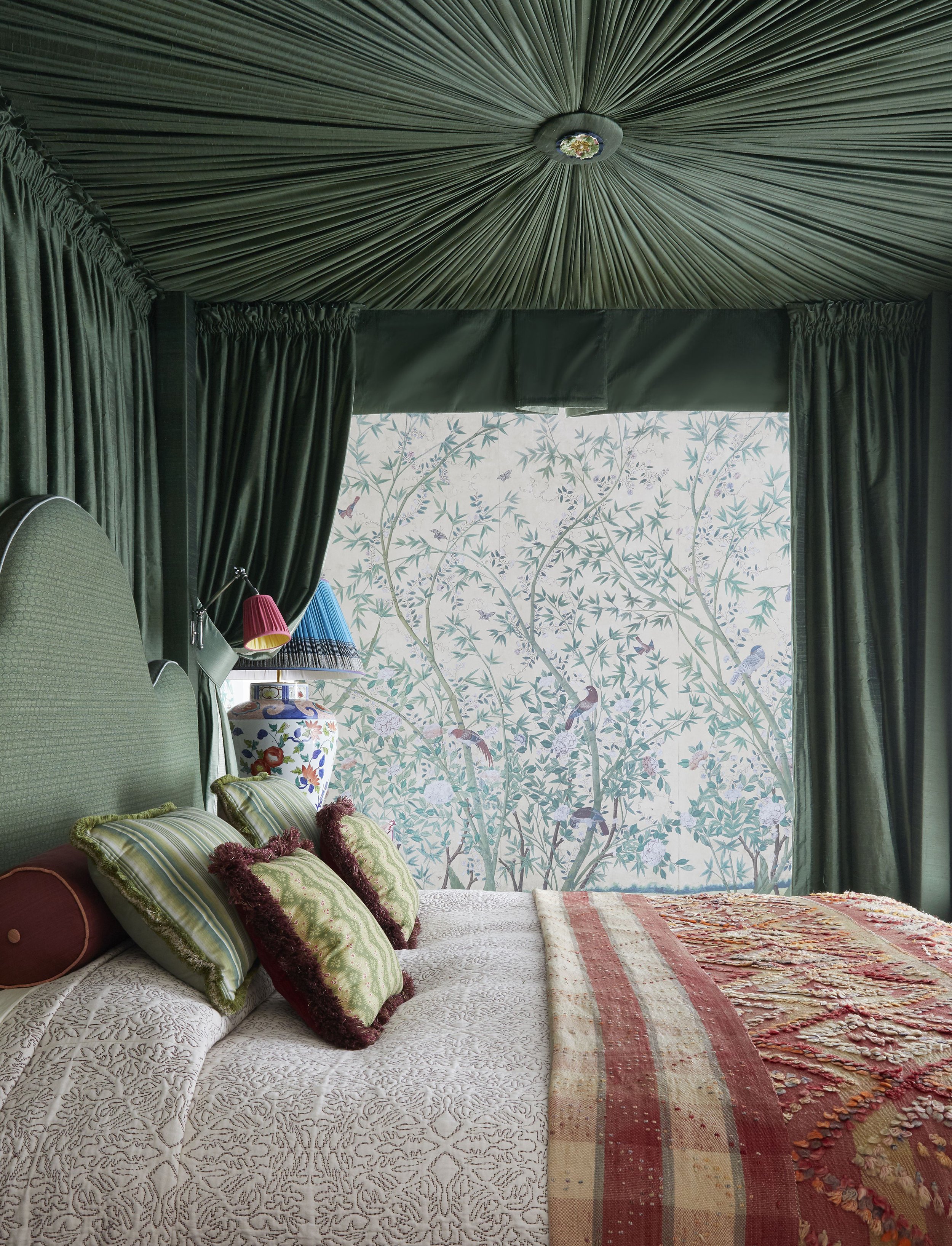
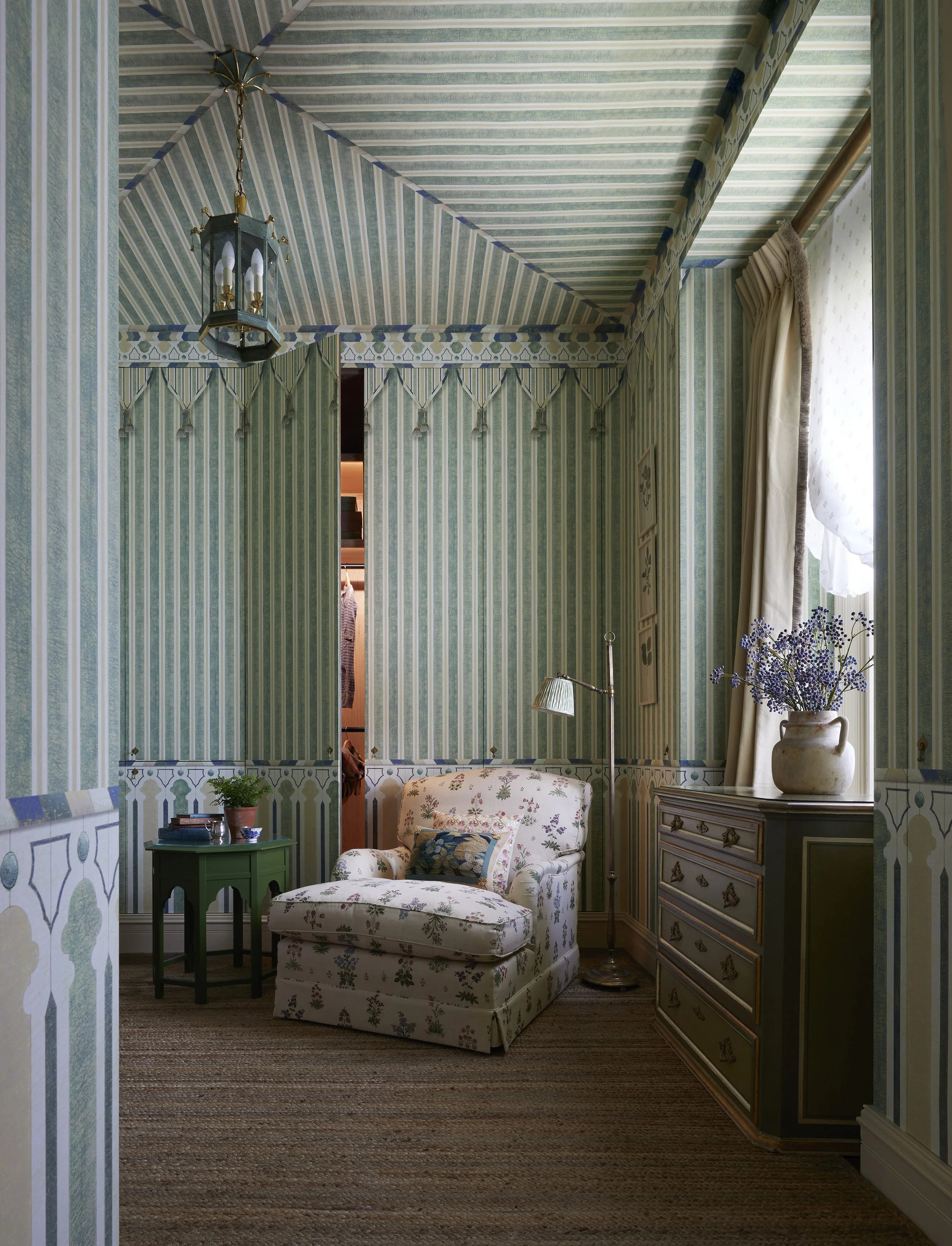
Many of your interiors feel layered and lived-in from day one. Can you talk us through how you build that sense of depth and narrative into a project?
Layering begins with careful listening. Every project already holds the start of a story - the building’s past, the client’s life, the way light moves through the space at different times of day. My role is to weave these elements together, rather than impose a new narrative. Depth is built through time-aware decisions: mixing periods, balancing bespoke elements with pieces that feel collected. Subtle shifts in tone, texture, and material are chosen to age gracefully, and, most importantly, space is left for incompleteness. Spaces, to me, should feel ready to be lived in, but never resolved down to the very last detail by a designer.
VSP Interiors is known for its sensitivity to architecture. How does the building itself shape your design decisions, particularly when working with historic or listed properties?
The building always leads. Particularly with historic houses, we see ourselves as stewards rather than authors, and before any design decisions are made it’s essential to understand the original intent - proportions, materials, rhythms, and logic. We carefully consider what should be revealed, what can be repaired or restored, and where contemporary additions might sit comfortably, sometimes working within existing constraints. Contrast can often be more successful and more respectful than pastiche, but it must be handled with care: restrained, purposeful, clearly of its time, and quietly confident.
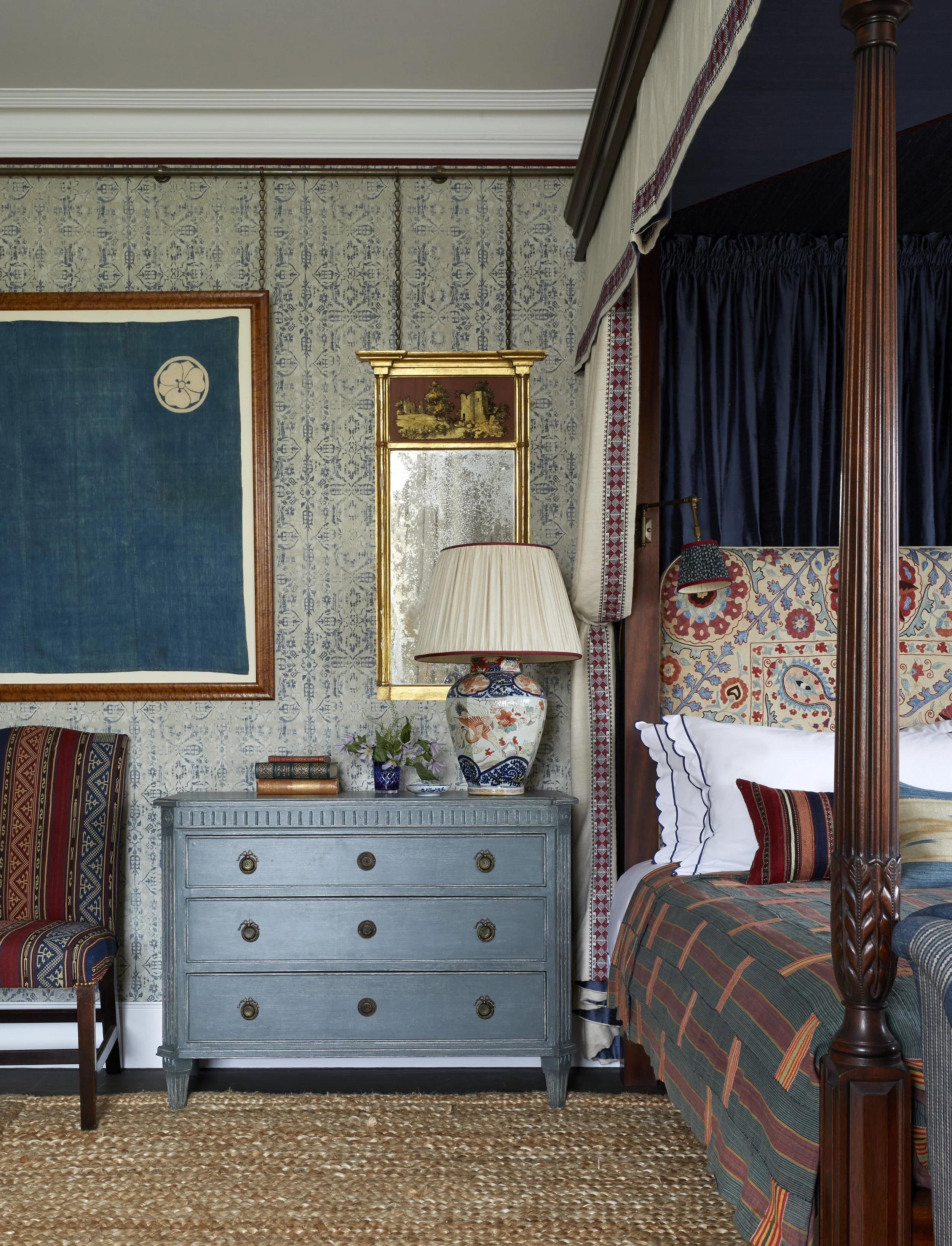
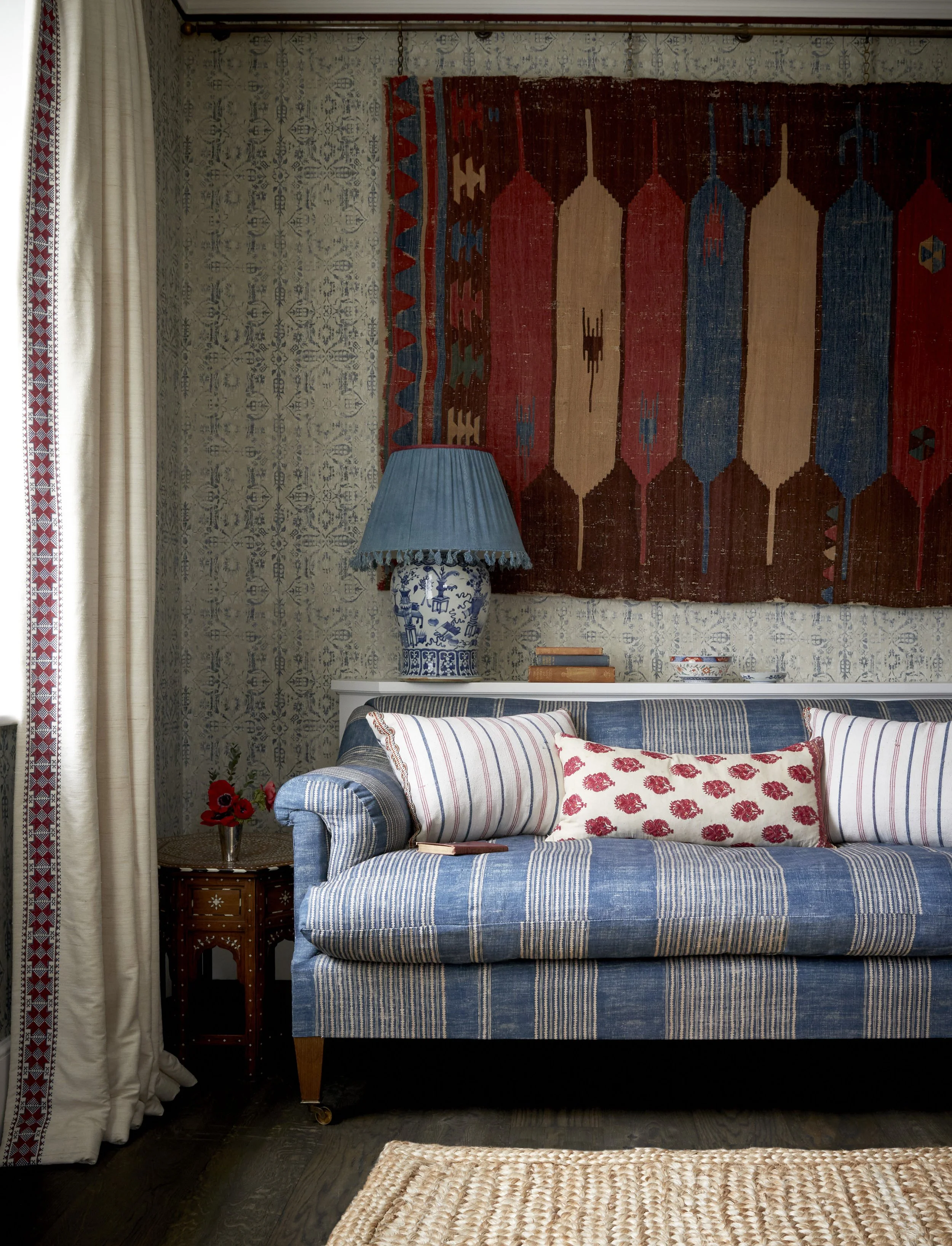
You often work with a restrained palette, yet your interiors never feel minimal or cold. What role do texture, materiality and craftsmanship play in achieving that balance?
When colour is restrained - often at a client’s request - materials take on the emotional role. Texture, grain, and especially patina bring warmth and depth, while craftsmanship introduces the presence of the human hand. Natural materials respond beautifully to light and to time, giving spaces a sense of life, story, and continuity, rather than feeling cold or stark.
Looking across your portfolio, are there particular projects that marked a turning point for you creatively, moments where your design language really crystallised?
There are projects where you realise you can achieve more by doing less. Every project teaches you something, and I never stop learning. All of these experiences - successes and failures alike - have helped shape my design language, teaching me to trust in the process, in proportion, in material, and in the architecture of the building itself to carry the atmosphere.
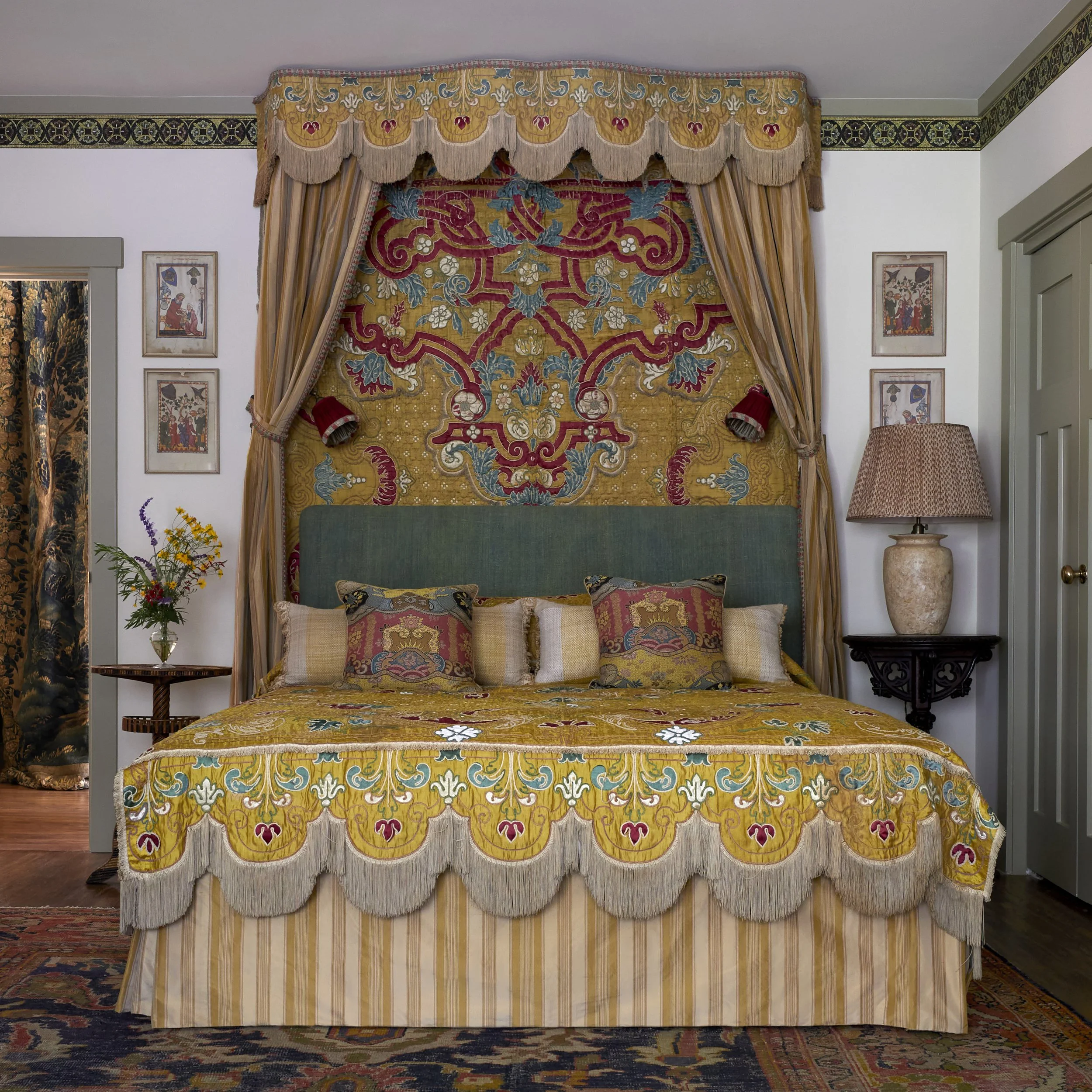
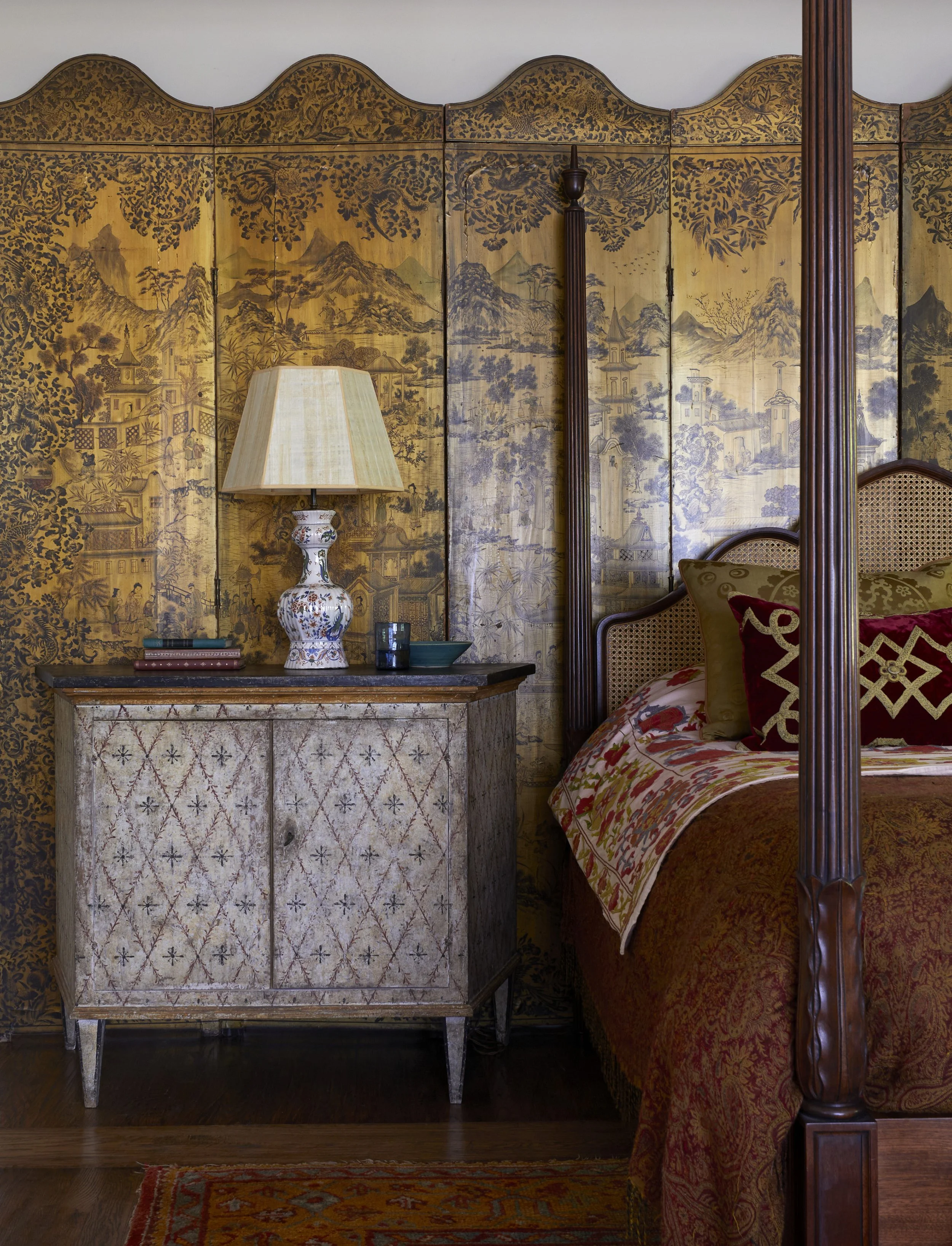
Collaboration is clearly central to your studio’s process, from architects to artisans. How do these relationships elevate the final outcome of a project?
Collaboration is not only exciting - a meeting of minds and ideas - but it also sharpens thinking. Working closely with other creatives, whether architects, artisans, or designers, allows decisions and concepts to be properly tested and refined. When everyone shares the same intent, the result feels cohesive and resolved. I adore my collaborations and look forward to many more in the future!
When advising clients, what are the most common misconceptions about ‘luxury’ interiors that you often find yourself gently challenging?
It seems that the misconception is that luxury is about visibility or expense. For me, it is often invisible - found in space, light, comfort, and materials that improve with time. True luxury is how a space feels to inhabit, not how loudly it announces itself.
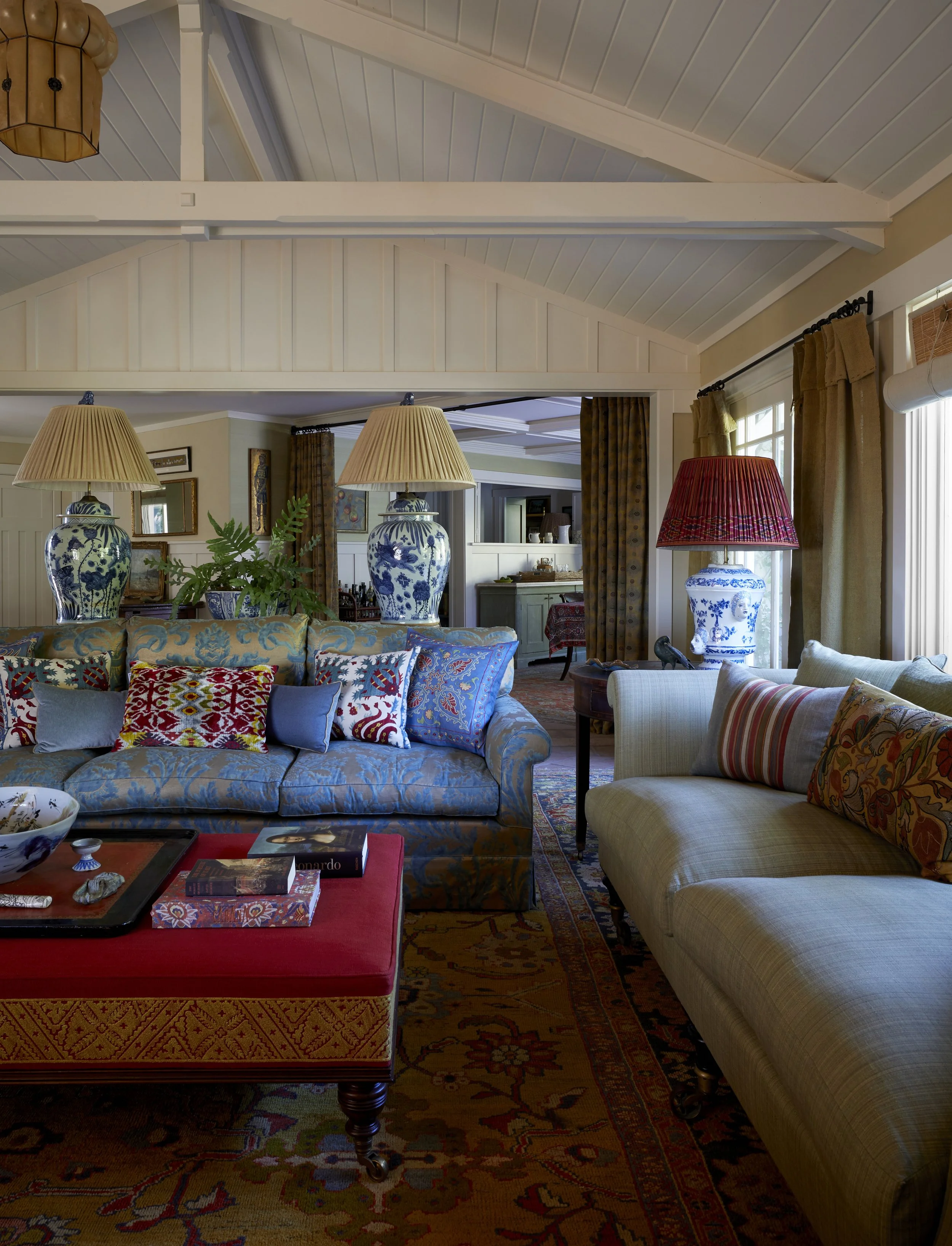
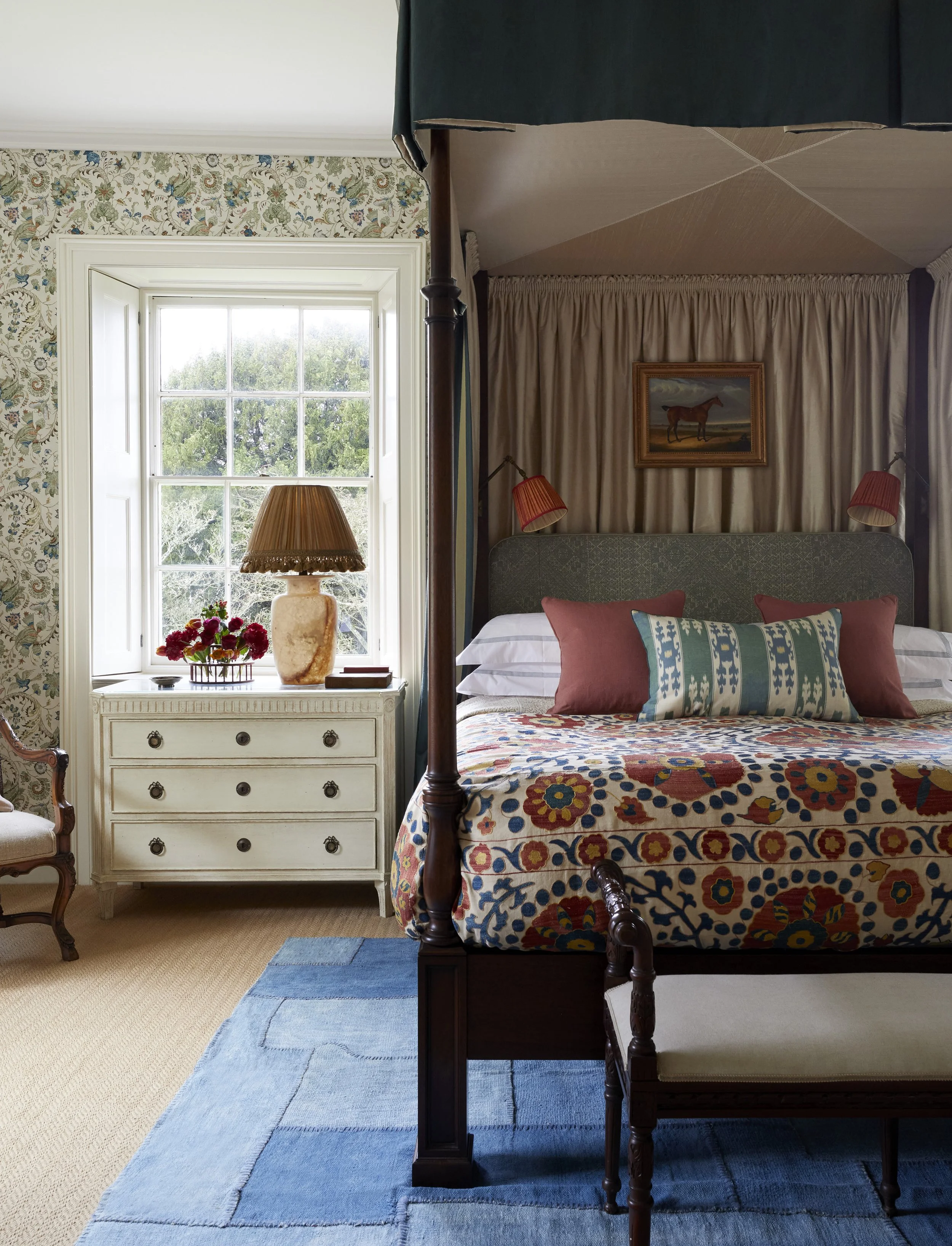
All photography above: Paul Massey
For readers looking to experience beautifully designed spaces first-hand, are there any UK hotels, restaurants, bars or galleries you regularly return to for inspiration, places that feel especially well considered from a design perspective?
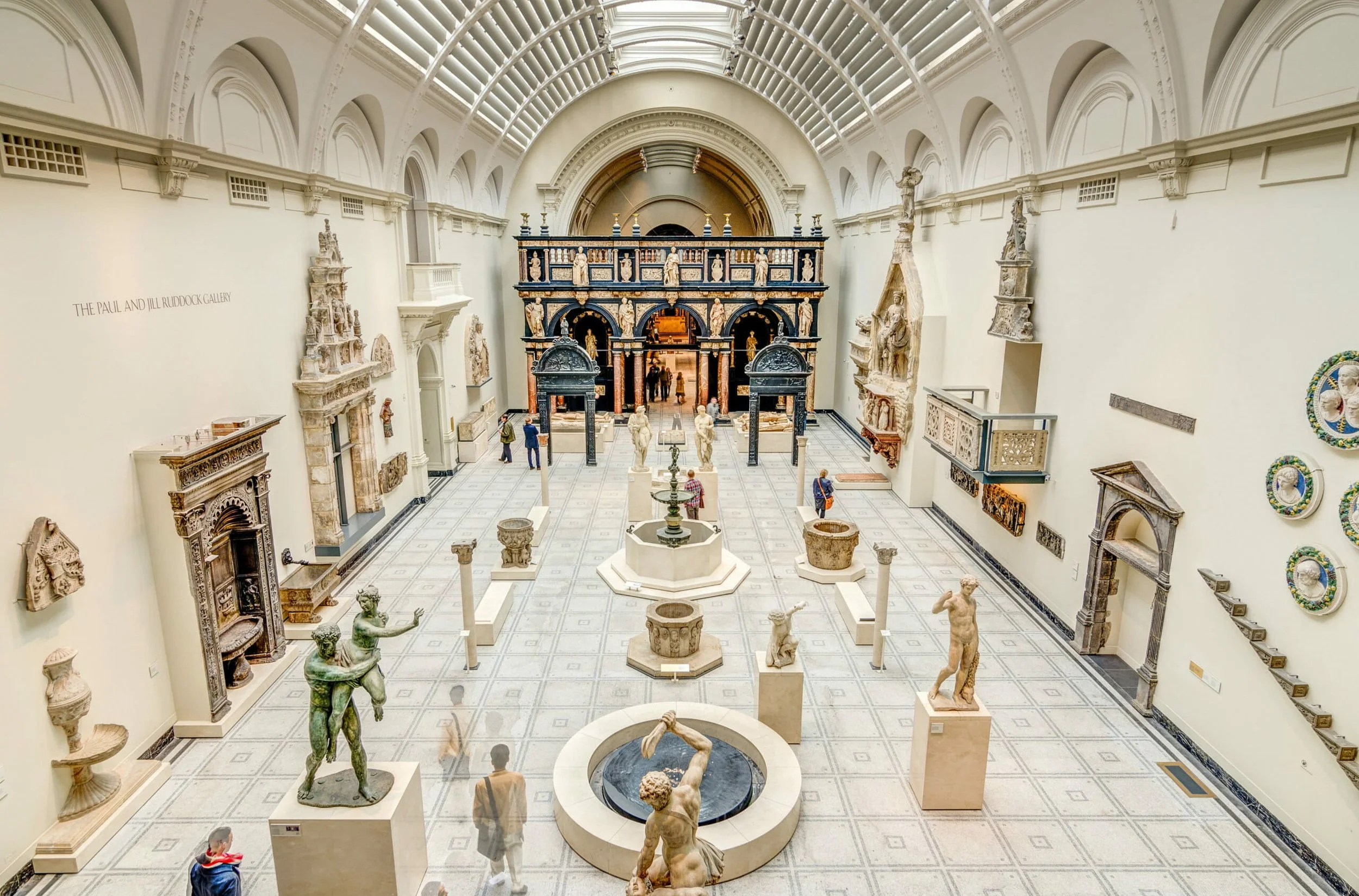
I am drawn to spaces where architecture and atmosphere feel effortlessly aligned. Museums and galleries are particularly remarkable for their calm, their rhythm, and their sense of flow. Likewise, many restaurants - such as The Wolseley, which I am drawn to for its lighting, a quality that I find many other spaces often overlook.
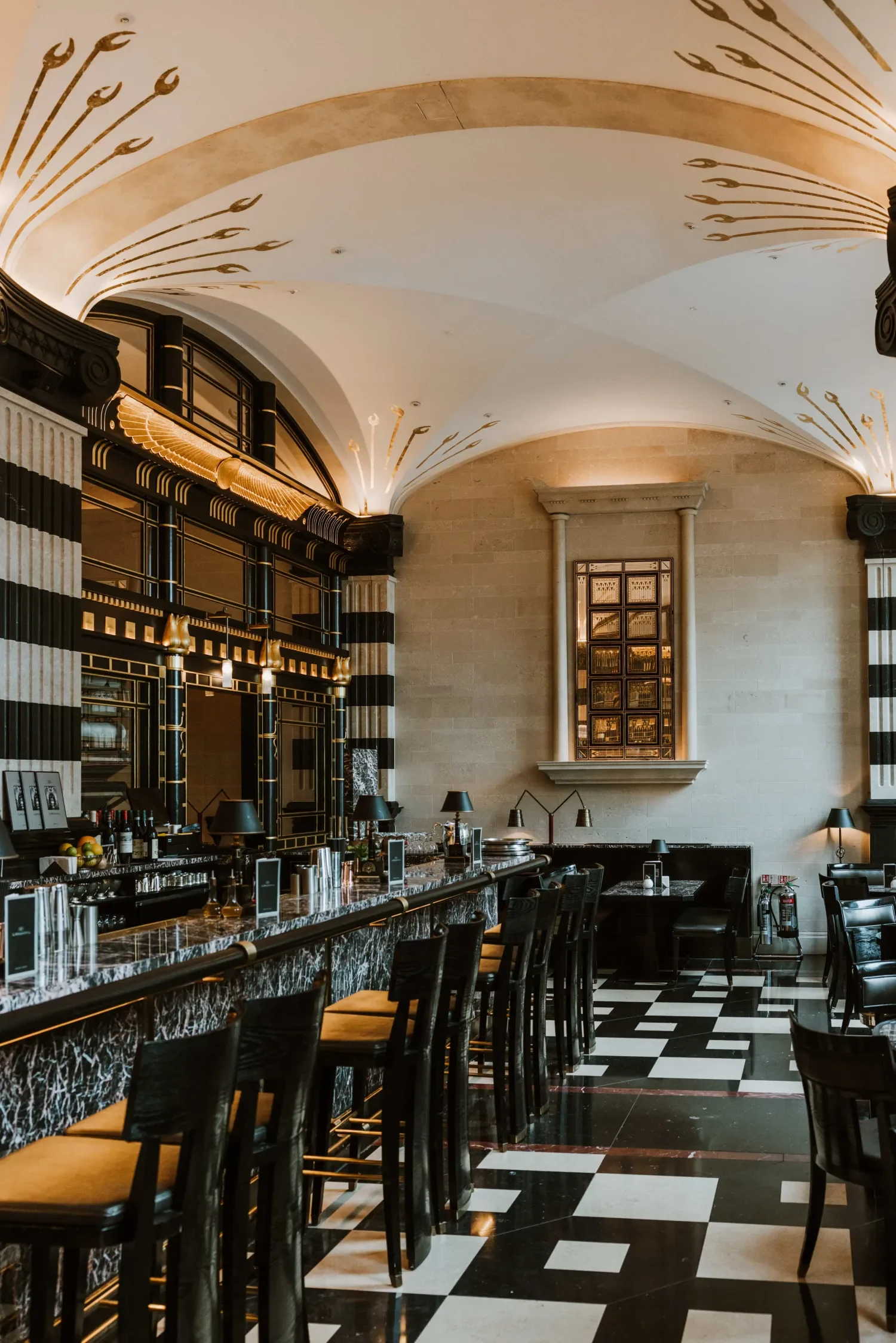
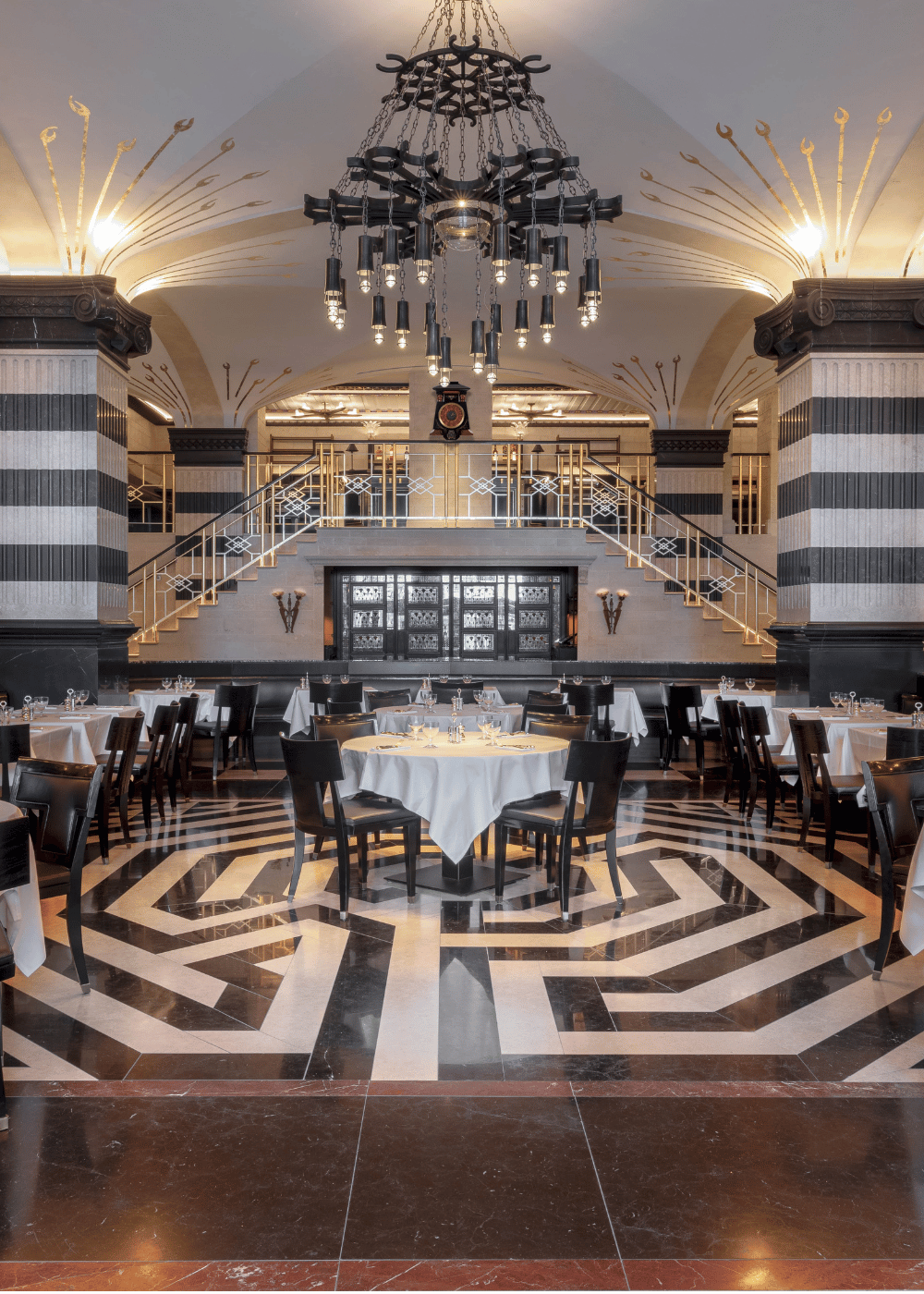
Finally, for those planning a design-led weekend in the UK, which cities, neighbourhoods or cultural destinations would you recommend for discovering exceptional interiors, architecture and atmosphere
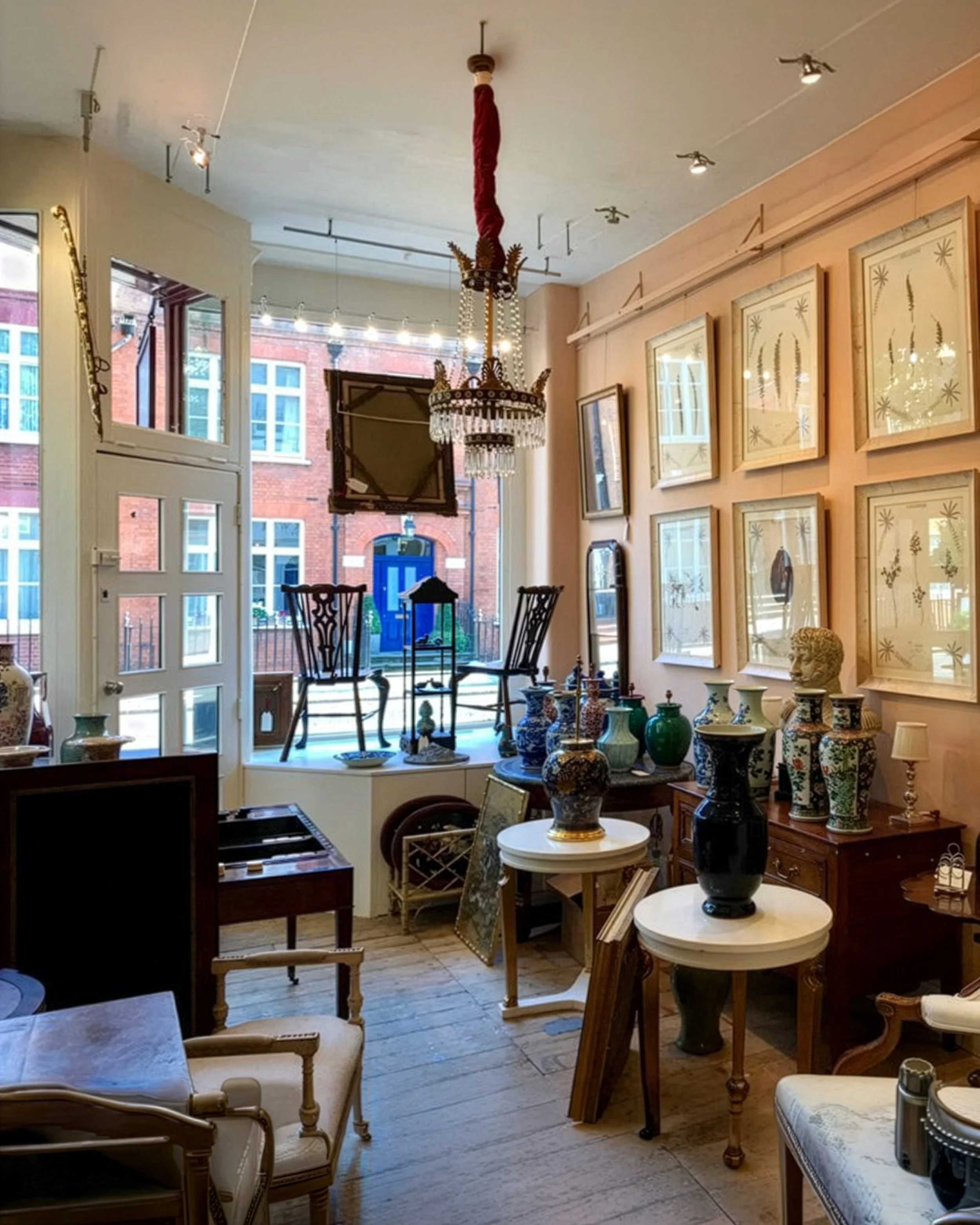
I adore London for its museums, its architecture and the plethora of antique shops and wonderful pubs and restaurants from cuisine all over the world. I have so many other favourites that all compete for different reasons, such as Venice, Milan, Istanbul and of course Paris are among my favourites.
As our conversation draws to a close, I want to extend my heartfelt thanks to Henriette von Stockhausen for sharing her time, her candour, and the stories that shape her remarkable body of work at VSP Interiors. Her thoughtful reflections on design, heritage, and living beautifully offer a vivid window into both her creative world and the values that guide it. Speaking with Henriette has been a reminder that true design is not just about spaces, but about the lives lived within them—and few express that philosophy with such authenticity and passion.