In Conversation With: Chef Luke Selby
Set against the raw beauty of Snowdonia, Selby’s next chapter is defined by landscape and intent.
2026 ushers in a new chapter for Luke Selby, the acclaimed chef makes his most ambitious move yet, arriving in North Wales as Chef Partner of Palé Hall, the storied Relais & Châteaux retreat on the edge of Snowdonia National Park.

Photography, Chef Luke Selby by Luke Brady
More than a change of postcode, Selby’s arrival signals a holistic reimagining of Palé Hall’s culinary identity, spanning destination fine dining, elevated pub culture and immersive chef-led experiences. Rooted in the landscape, produce and quiet drama of North Wales, this new chapter places British gastronomy, sense of place and modern luxury firmly at its core.
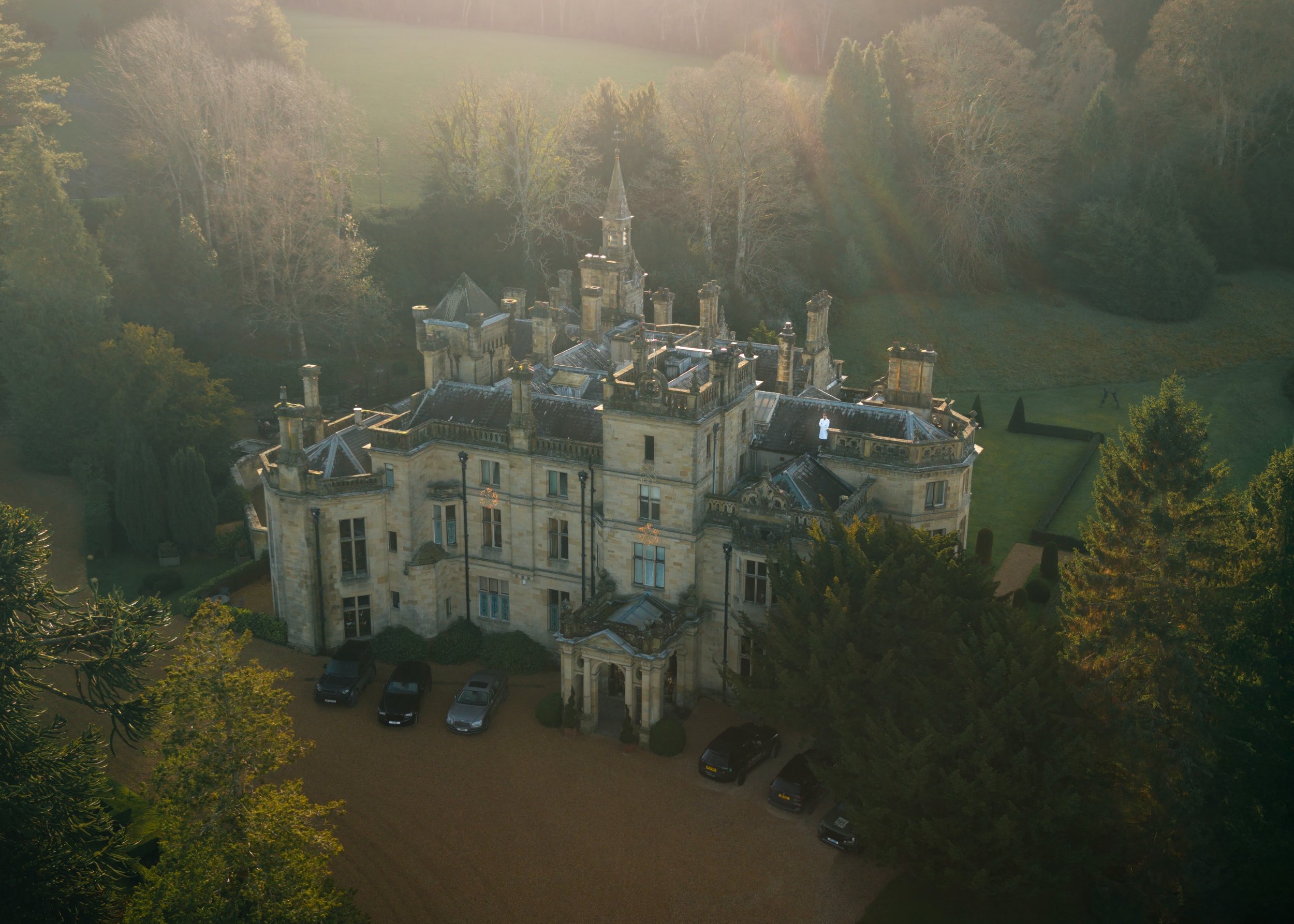


In the interview that follows, we speak with Luke Selby about the move to North Wales, the creative responsibility that comes with shaping an entire destination hotel, and his plans for the year ahead.
From landscape-led cooking and fine dining ambition to travel, inspiration and the evolving rhythms of British gastronomy, Selby reflects on what this next chapter at Palé Hall means both personally and professionally.
Your arrival at Palé Hall marks a significant shift, both geographically and creatively. What drew you to North Wales at this point in your career, and why did Palé Hall feel like the right canvas for your most ambitious role to date?
It felt like the right moment to step into something with real depth. North Wales, which is a place I have visited many times over my life and fallen in love with, has a pace to it that immediately appealed to me – there’s space to think, to build, and to do things properly. When I first walked around Palé Hall, it wasn’t just the house itself, but the wider estate, the gardens, the views. It felt like somewhere guests could truly disconnect. That gave me the sense that whatever we build here can be rooted in the place, rather than imposed on it.
As Chef Partner, your remit goes far beyond the plate. How are you approaching the challenge of reimagining Palé Hall’s entire food and beverage experience, from the Bryntirion Inn to the Hearth chef’s table and the forthcoming fine dining restaurant?
I’m thinking about it holistically. The hotel, the food, the flow of a guest’s stays all needs to make sense together. The Bryntirion Inn is about generosity and comfort, good cooking that feels familiar but properly done. Dishes you’d happily come back for again and again. Hearth is more intimate, closer to the kitchen, where we can be a bit more playful and exploratory. And then the fine dining restaurant will be the most focused expression of what we’re doing, seasonal, precise and thoughtful. Each space has its own energy, but they all come back to the same values.

Your cooking has always been rooted in seasonality, restraint and clarity of flavour. How has the landscape, produce and terroir of Snowdonia and North Wales begun to influence your menus and creative thinking?
The environment really influences my thinking here. The produce is beautiful, vegetables with real character, incredible lamb, dairy and seafood from the coast. The kitchen garden is becoming a big part of that. Being able to step outside and see what’s growing makes decisions very intuitive. It encourages restraint, because you don’t want to overwork something that’s already at its best. The food naturally becomes cleaner and more expressive.
Family collaboration is central to this next chapter, with your brothers joining you as part of the senior team. How does working together shape the way you cook, lead, and build a long-term culinary vision?
We grew up cooking and eating together, so there’s a shared language there. We know when to push each other and when to step back. That makes leadership feel more human and less hierarchical. When you’re building something like this, across multiple kitchens and teams – that trust is invaluable. It allows us to think long-term and build a culture, not just menus.
Looking ahead to 2026, what excites you most about the year ahead and how do you see Palé Hall evolving as a destination for fine dining, British gastronomy and experience-led travel?
I’m excited about the details settling into place. The kitchen garden maturing, the teams growing in confidence, the food becoming more refined as the seasons pass. I want Palé Hall to feel like a destination that people actively plan a trip around, not just for the restaurant, but for the sense of escape, the landscape, the warmth of the place. Somewhere that feels quietly confident rather than showy.
Travel is often a source of creative renewal. Are there any destinations you consistently return to, or recent discoveries you would recommend to our readers seeking culture, design and atmosphere?
Japan is always a touchstone for me; the attention to detail, the respect for craft, the way food sits within everyday life. I’m also increasingly drawn to rural destinations where design and hospitality feel naturally integrated, rather than overly polished. Places where you can feel the hand of the maker.

Photography, Manuel Cosentino
Beyond travel, are there any restaurants or cocktail bars whose atmosphere, materiality or sense of style you find especially compelling, spaces you return to again and again?
I love spaces that feel comfortable the moment you walk in. Restaurants where the materials are warm, the lighting is soft, and nothing feels forced. The same with bars, somewhere you can have a beautifully made drink, without feeling like you’re being put on display. That ease is something I’m very conscious of bringing into Palé Hall.
What would you like to see more of in the culinary world?
More focus on craft and care. More respect for ingredients and for the people producing them. And more patience, allowing young chefs and hospitality professionals to develop at a sustainable pace.
And finally, what would you like to see less of?
Less noise and less rush. Less obsession with trends and more confidence in simplicity. When you strip things back, that’s often where the most meaningful food and hospitality live.