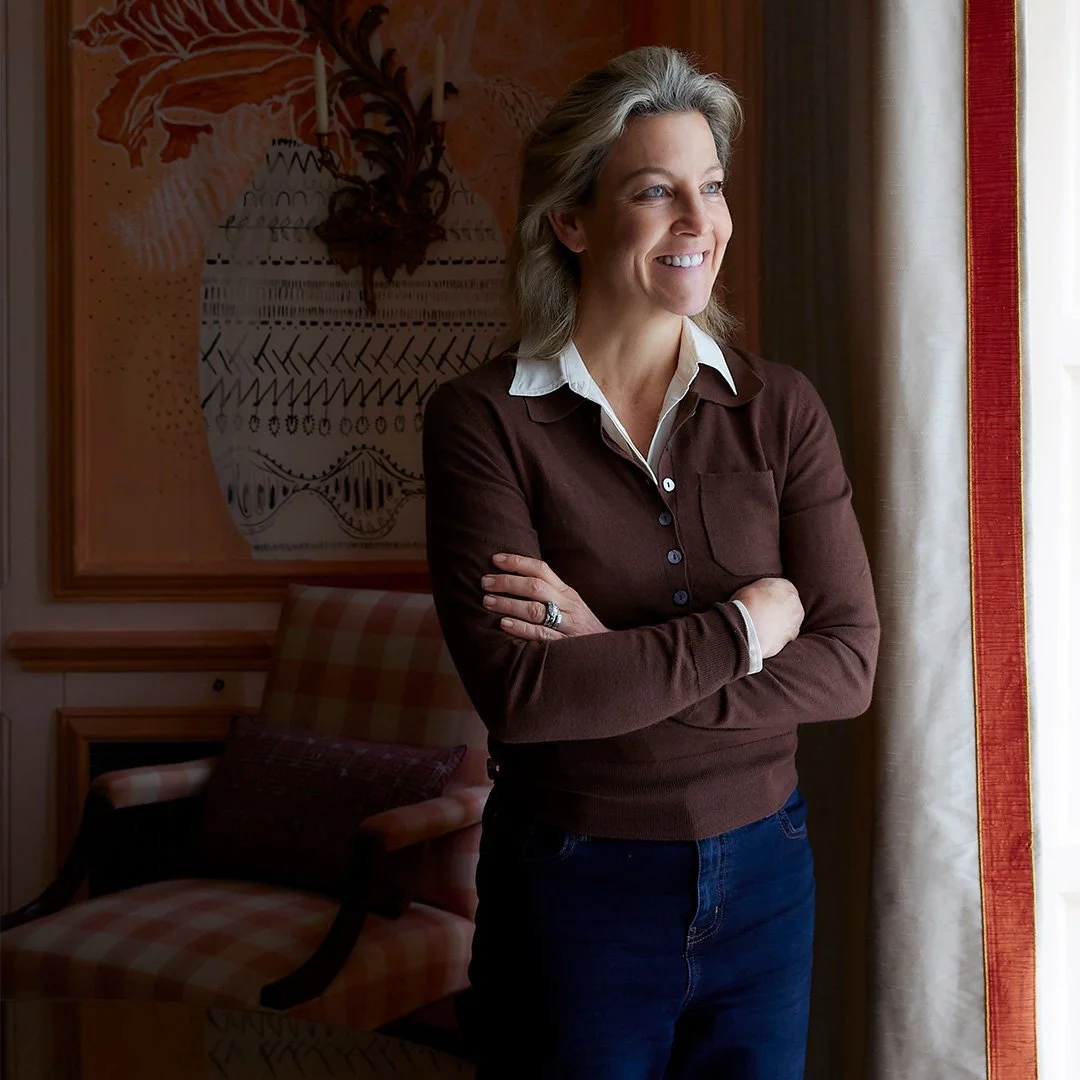
In Conversation With: Kelly Hoppen
A deep‑dive into the creative philosophy, timeless aesthetic and global influence of design icon Kelly Hoppen — from the roots of her signature “East Meets West” style to her perspective on modern interiors, materials, culture and the future of design.
Few names in design carry the weight, influence and quiet authority of Kelly Hoppen. For more than four decades, she has shaped the visual language of contemporary interiors, defining a style that feels as timeless today as when it first entered the cultural vocabulary. Her signature balance of calm, clarity, and understated luxury has left an indelible mark on homes, hotels, yachts, and spaces across the globe—establishing her not just as a designer but as a true architect of atmosphere.
In this conversation, Hoppen reflects on the creative turning points that shaped her philosophy, the evolution of her globally recognised aesthetic, and the enduring power of spaces built on balance, feeling and emotional resonance. It’s a rare glimpse into the mind of a designer whose work continues to influence generations—and whose perspective on craft, culture and clarity remains as compelling as ever.

Photography: ©venni
Your career spans more than four decades and has shaped the language of contemporary interiors. Looking back, which project or period do you feel was the true turning point for you creatively?
When my ‘East Meets West’ book was released, it wasn’t just a moment of recognition, it was the point where I knew that I had found my design language. I had been instinctively blending clean Western lines with the calm, balance and restraint of Eastern philosophy for years, but East Meets West gave it a name, a framework and a voice.
That period gave me confidence to trust my instincts and commit fully to a style rooted in balance, proportion and emotional wellbeing. It also set the foundation for everything that followed. Once you understand who you are creatively, you can evolve, but you never lose your core. This clarity has carried me through every decade since.
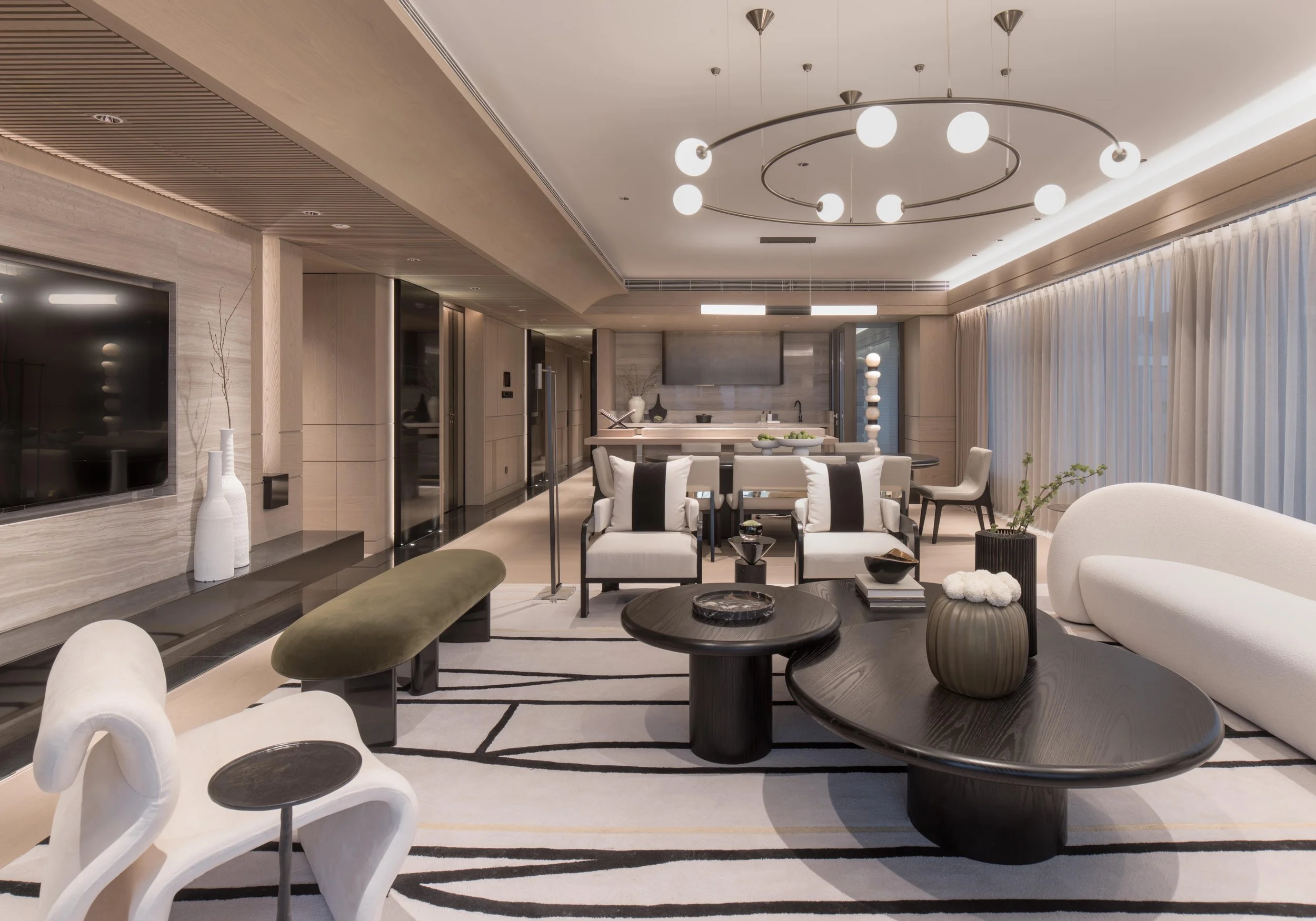
You’re known for creating calm, timeless spaces that still feel deeply personal. How do you approach designing interiors that evolve with a client over time rather than feeling fixed to a moment?
I design for people, for how they live, move through a space, and how they want to feel when they come home. Trends don’t last but balance and a true sense of calm never date.
That’s why I work with neutral palettes. It creates a timeless foundation, and it’s genuinely restorative and lets the nervous system relax. Individual personality and colour can come through in the layering of art and objects, and these can change as the client changes. The backdrop stays calm and considered, and the space can evolve naturally as the client does.

Auction House - Photography: Mel Yates
From private residences to yachts, hotels and commercial spaces, you’ve worked across an extraordinary range of scales/spaces. How does your mindset shift when moving between such different types of projects?
My principles don’t change, we evolve our style and respond to what clients want and needs for example, spaces more focused on wellness, but the core principles are always the same. Whether it’s a private home or a yacht, you’re still designing around how someone feels as they walk in, move through and interact with the space. The difference is scale, logistics and intensity: hospitality and commercial work can have different durability demands, tighter operations, and bigger teams of people. But my job is still to create something that feels calm, resolved and effortless.
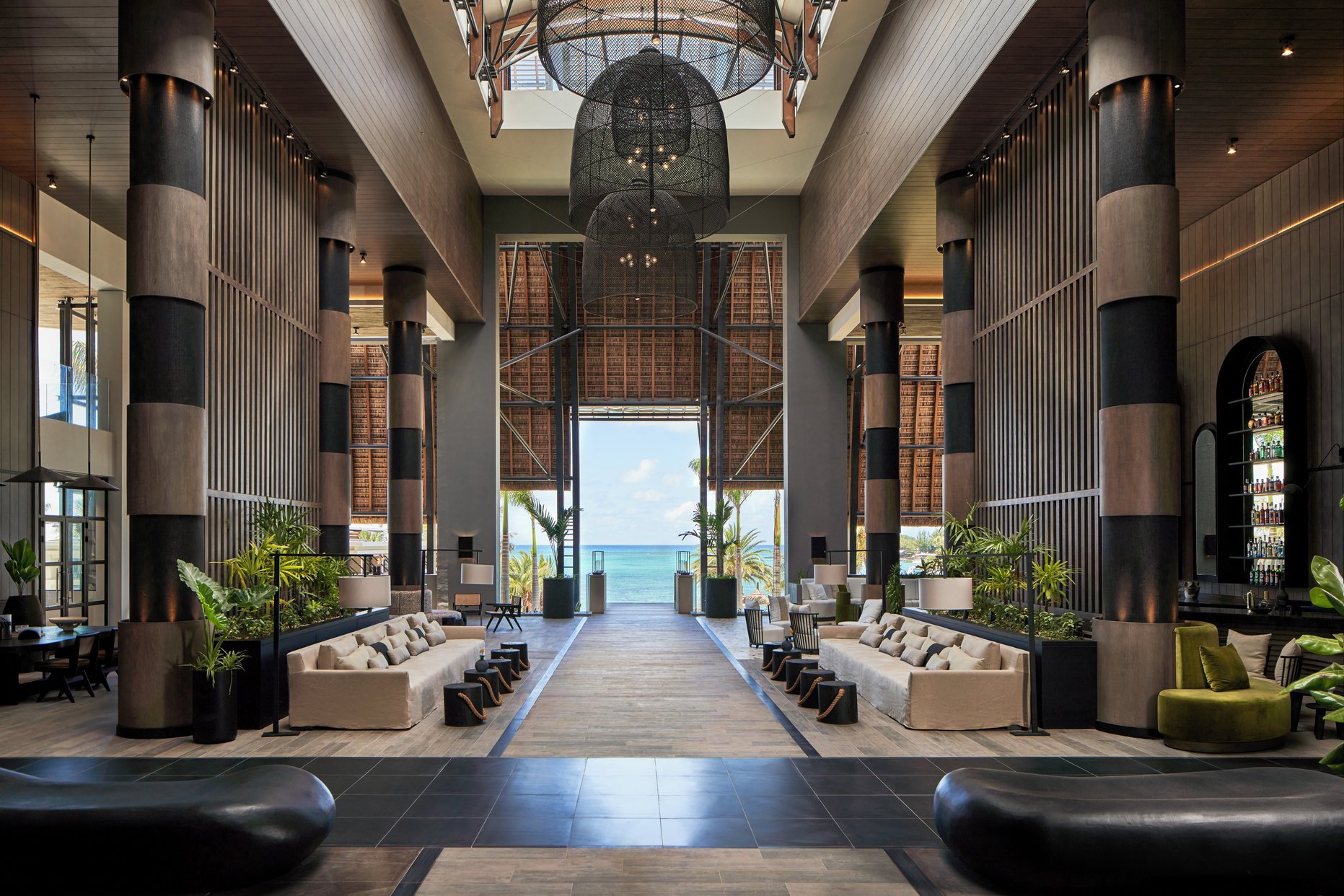
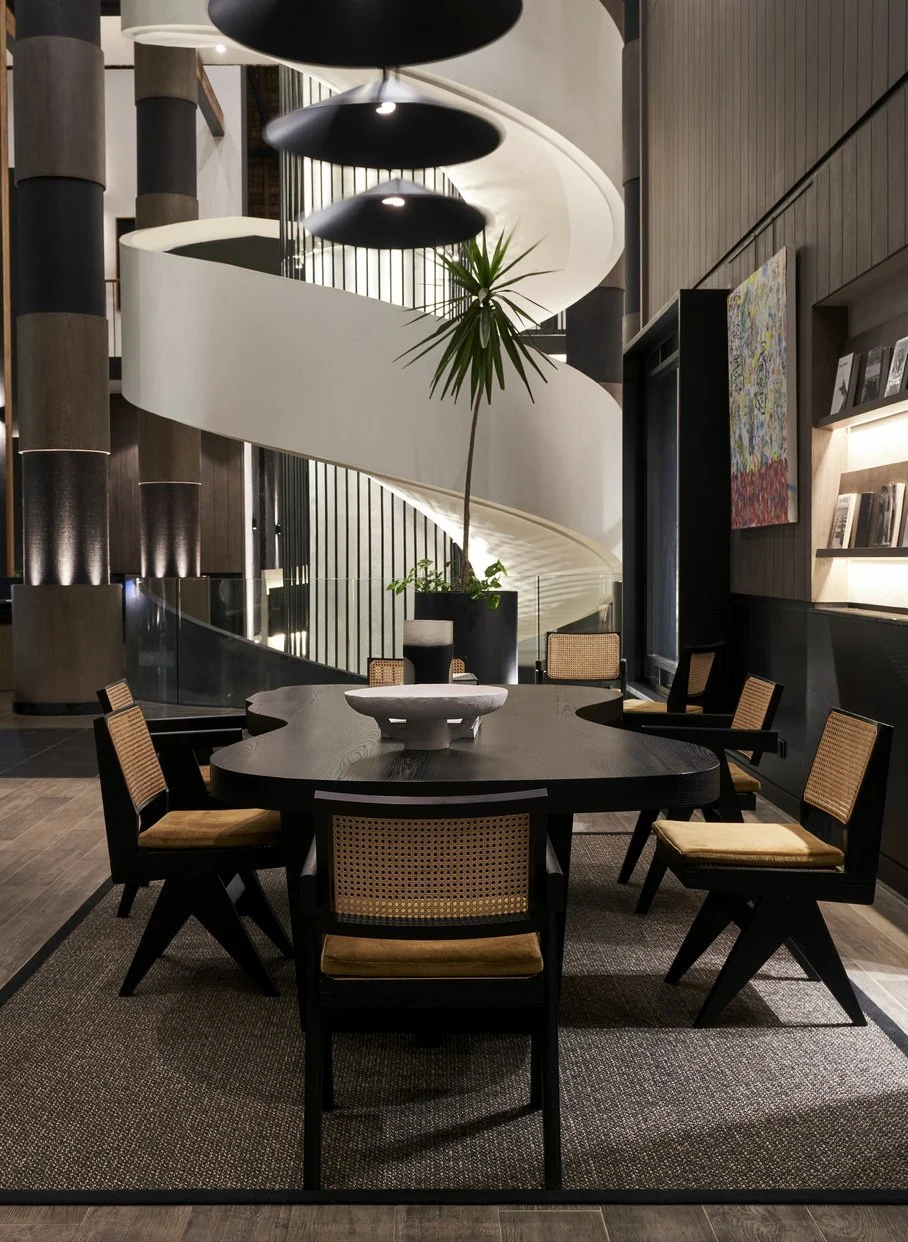
You’ve built a global design practice while maintaining a very recognisable aesthetic. How do you balance consistency in your design language with responding sensitively to different cultures and locations?
A recognisable aesthetic doesn’t have to mean a one-size-fits-all look. My base language is always clean, calm, layered and considered, but can be adapted through local references,
materials, craftsmanship and the way people live in that place. That’s why the East meets West philosophy has lasted: it’s a framework, not a template. You can keep the same foundation and still make a space feel completely right for its setting through the finishing touches, like the art, objects and textures.
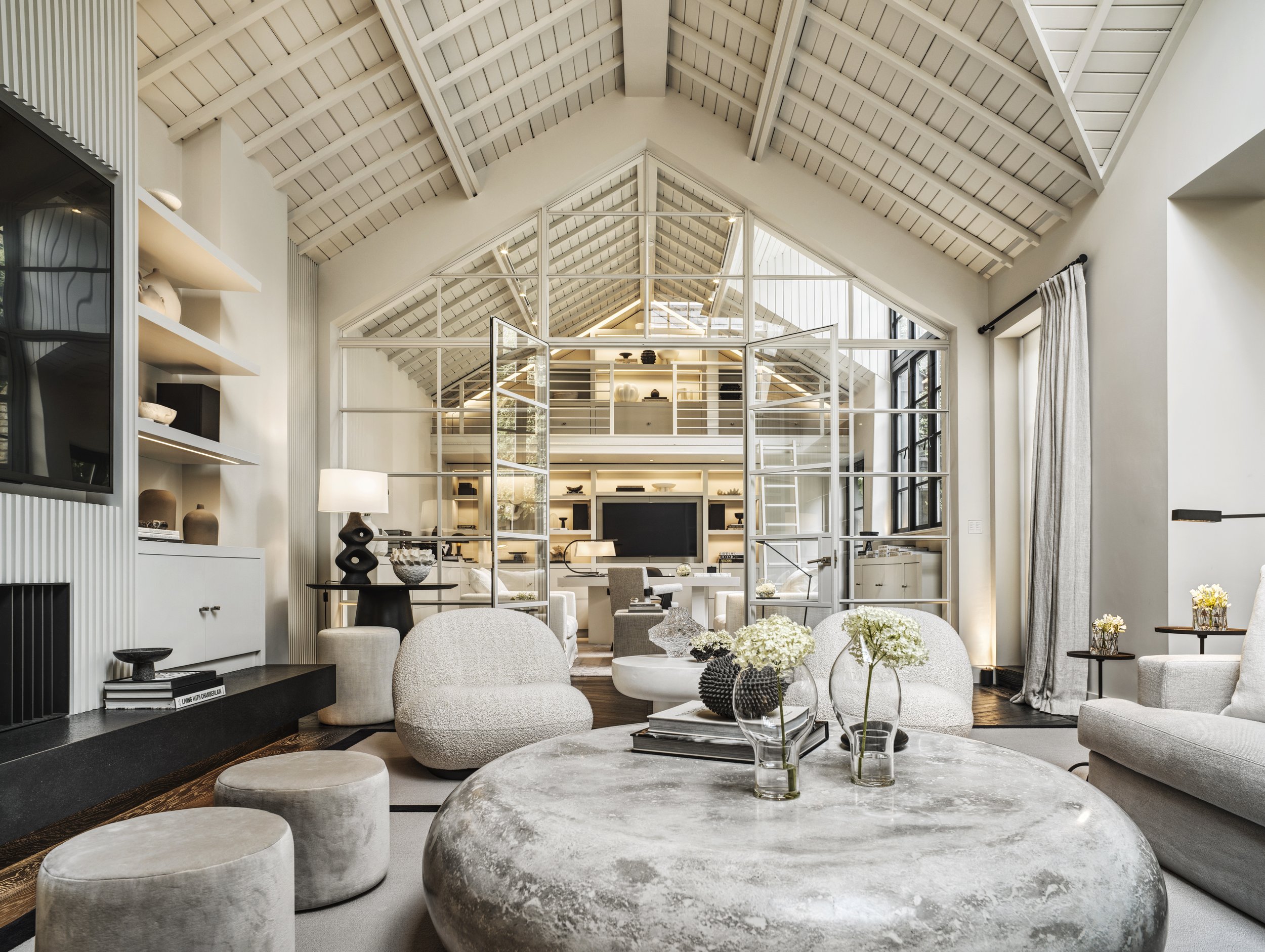
Materials and texture play a central role in your work. Are there particular materials or finishes you’re currently drawn to, and how do they reflect where design is heading today?
I’m loving chalky plaster finishes at the moment, anything with that soft, mineral depth that moves with the light. It can make a space feel grounded and earthy, rather than glossy or over-designed. I definitely see design moving further in that direction: calmer foundations, more texture, less visual noise.
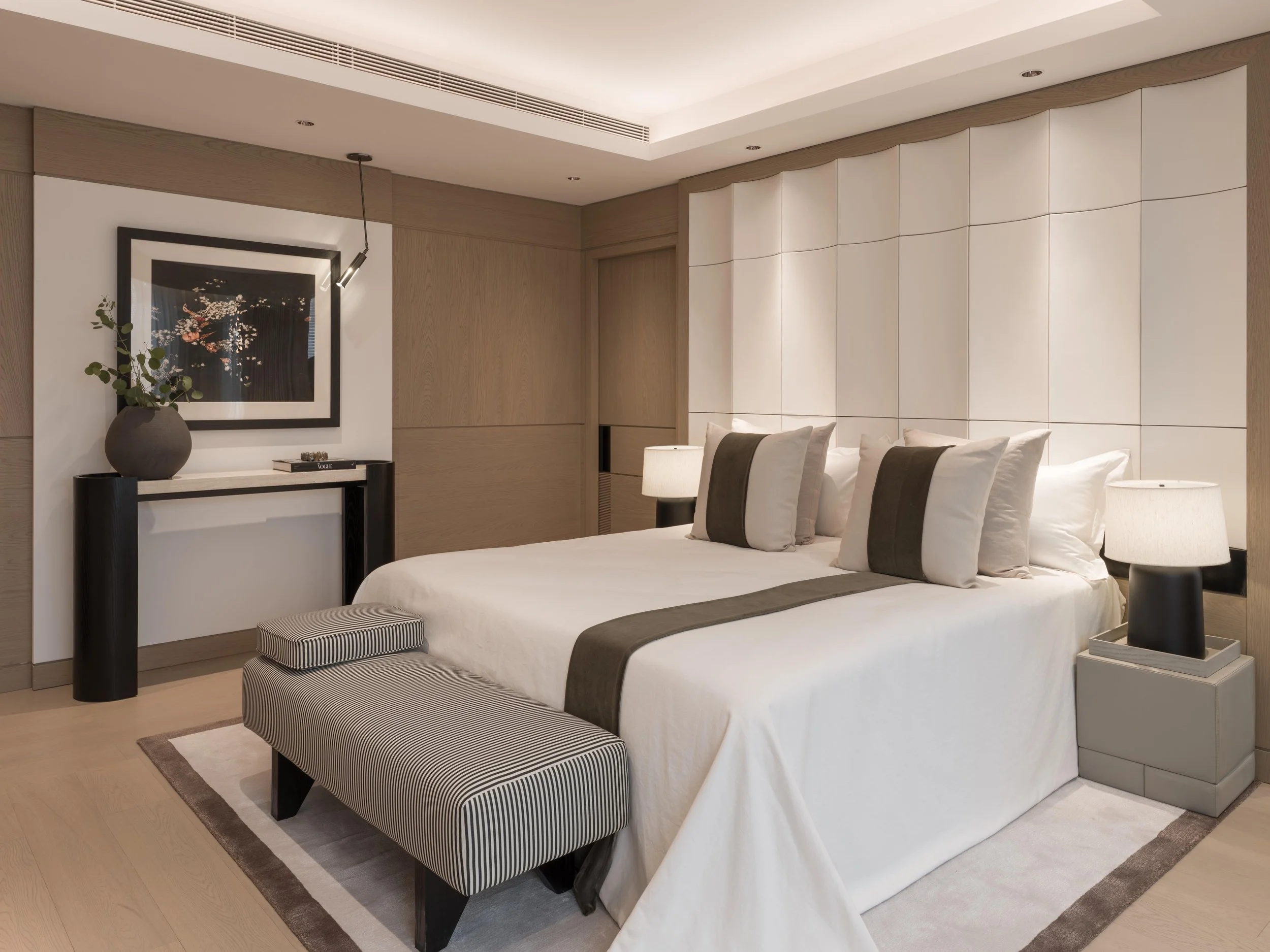
As someone who has navigated the industry long before social media and digital platforms, how has the role of visibility, branding and storytelling changed for designers today.
When I started designing, there wasn’t such a thing as the Internet or Pinterest. In some ways, it made it easier to build a distinct signature because you weren’t designing through the lens of anyone else’s ideas. I loved being able to take inspiration from the world around me, from books to places to people. Today, social platforms can really help you build an audience, open doors, and help younger designers show who they are before they’ve built a huge portfolio. But it can also raise the expectations for young designers as you need to stand out against the constant flow of content we see daily.


Auction House - Photography: Mel Yates
You’ve also mentored and inspired generations of emerging designers. What qualities do you think are essential for young designers hoping to build a lasting, meaningful career now?
Confidence and following your gut is key, you really have to believe in yourself and be prepared to work hard, because it’s not easy. And there’s a practical truth: you can be talented, but you still need the business skills. To grow a successful career, you need a strong branding and business vision.
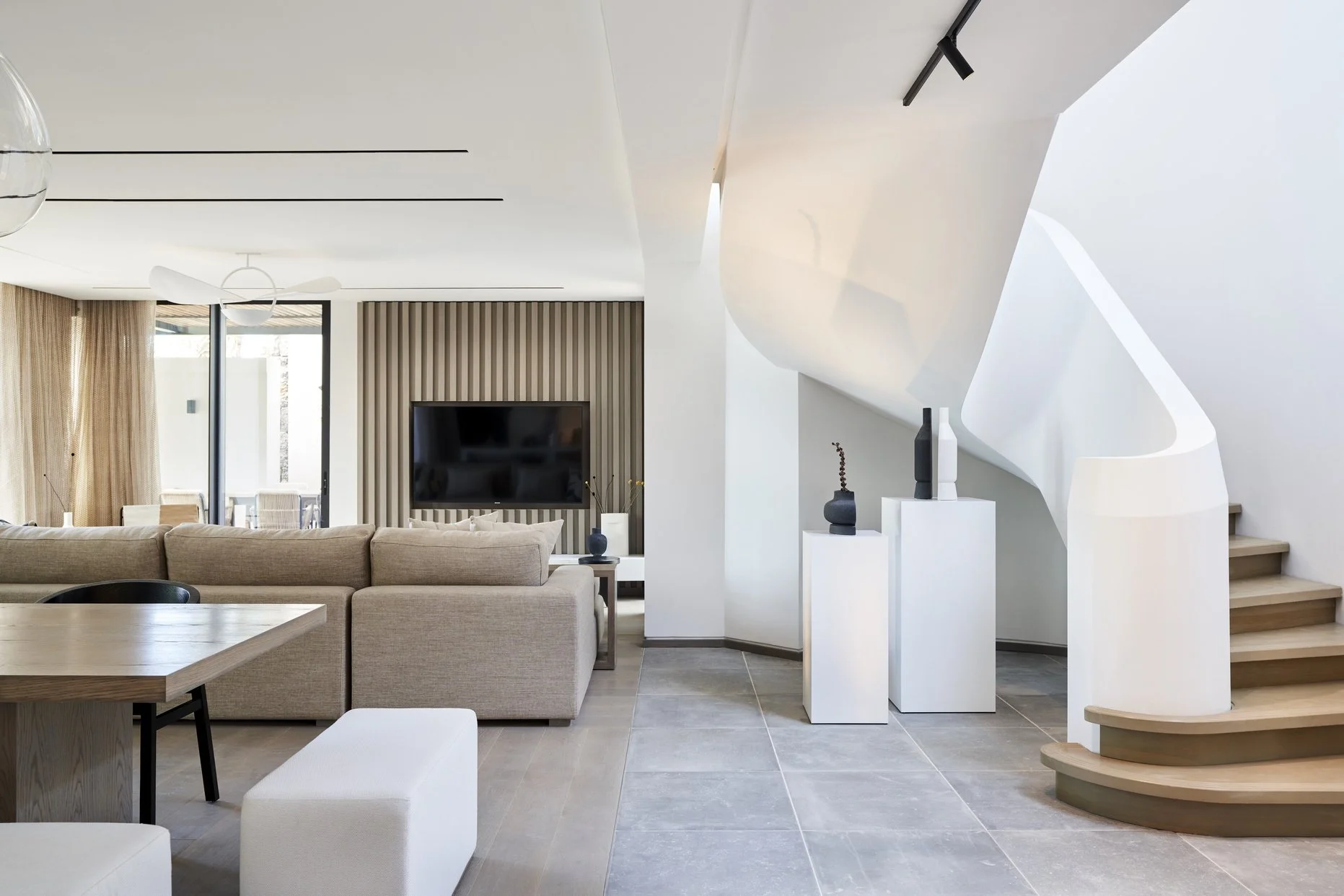
Design is often shaped by what we see outside the studio. Are there any galleries, exhibitions or cultural spaces, particularly in London, that you regularly return to for inspiration?
I’m constantly looking for new inspiration, and London is brilliant for that. Inspiration doesn’t always come from a white-wall gallery; it can be a street, a song, a texture or just walking through a market in London. I’ve always loved the energy of markets for unexpected finds- Portobello is still one of my favourites in London. And for a real, immersive design hit, WOW!house has become a real annual highlight because you get to experience designer’s ideas at full scale.
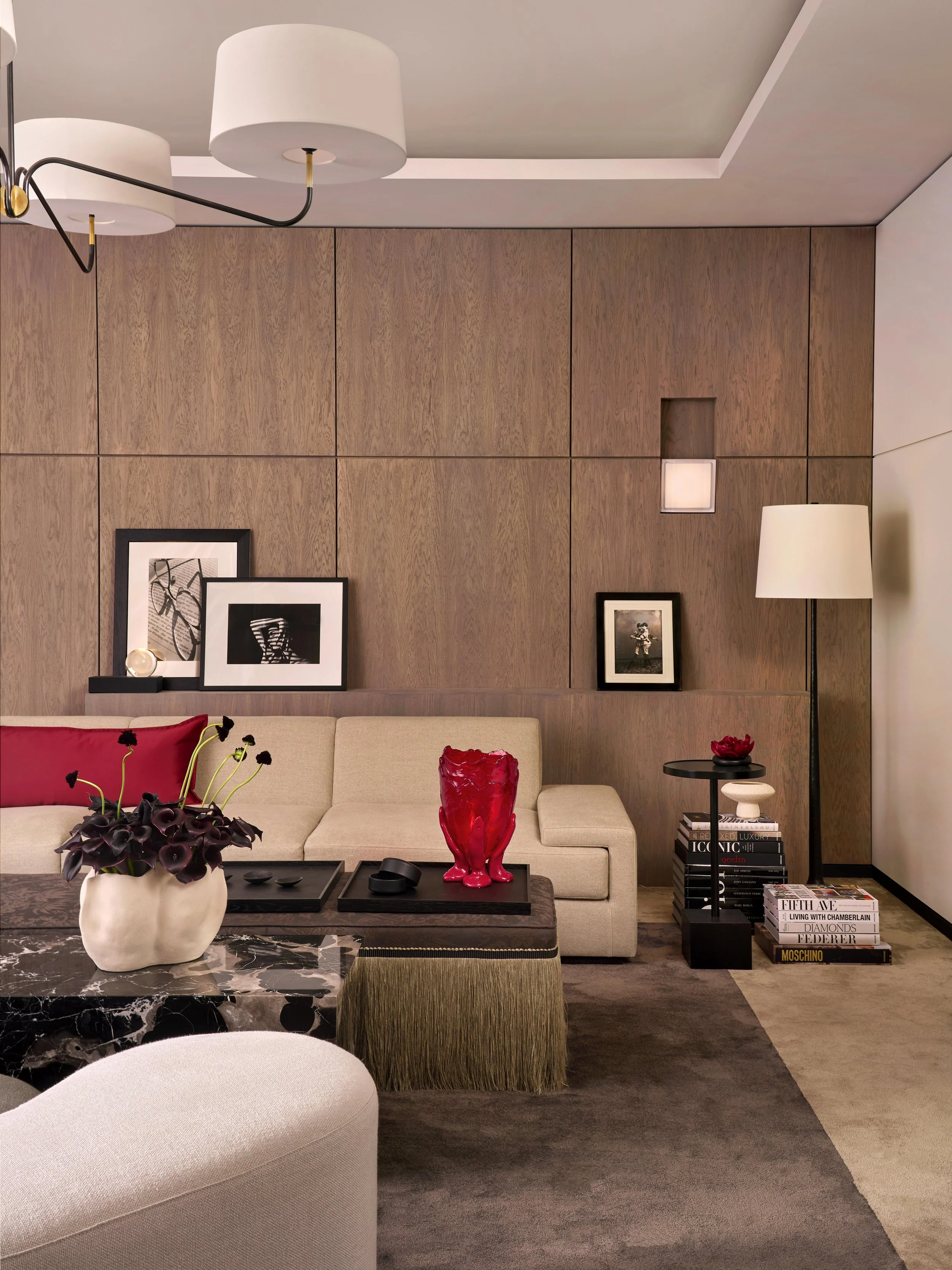
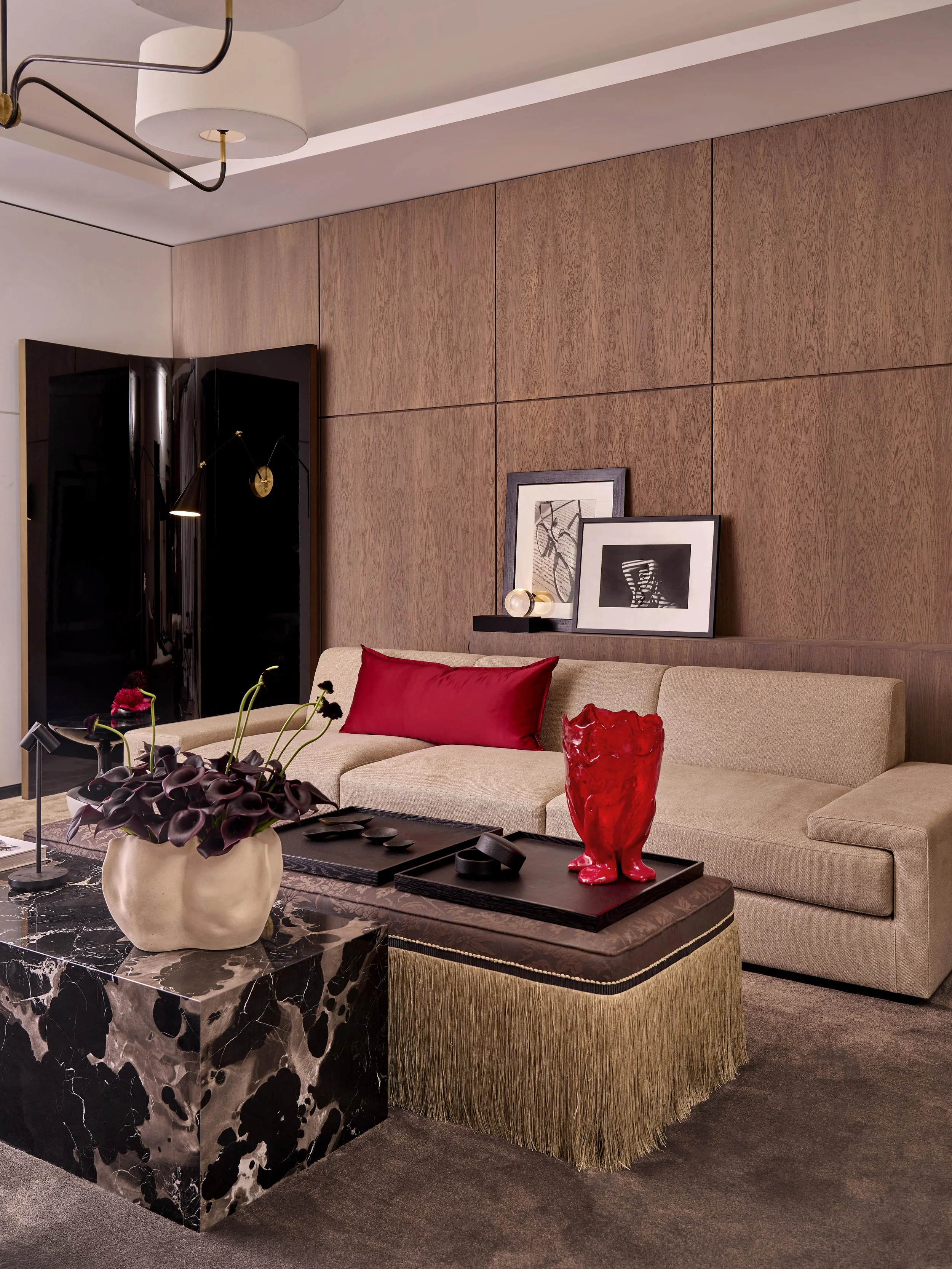
Kelly Hoppen’s space at the 2025 WOW!house
When you’re travelling or unwinding, which hotels, restaurants or hospitality spaces do you admire most for their design, atmosphere or sense of experience?
For me, the best hospitality spaces feel effortless. The lighting is right, the acoustics work, the service is intuitive, and the design has been properly considered at every step of your time there. I love Dorian’s in Notting Hill, it’s got that classic bistro style with marble bar tops, wood panelling, leather banquettes. It’s just warm, intimate and lively.
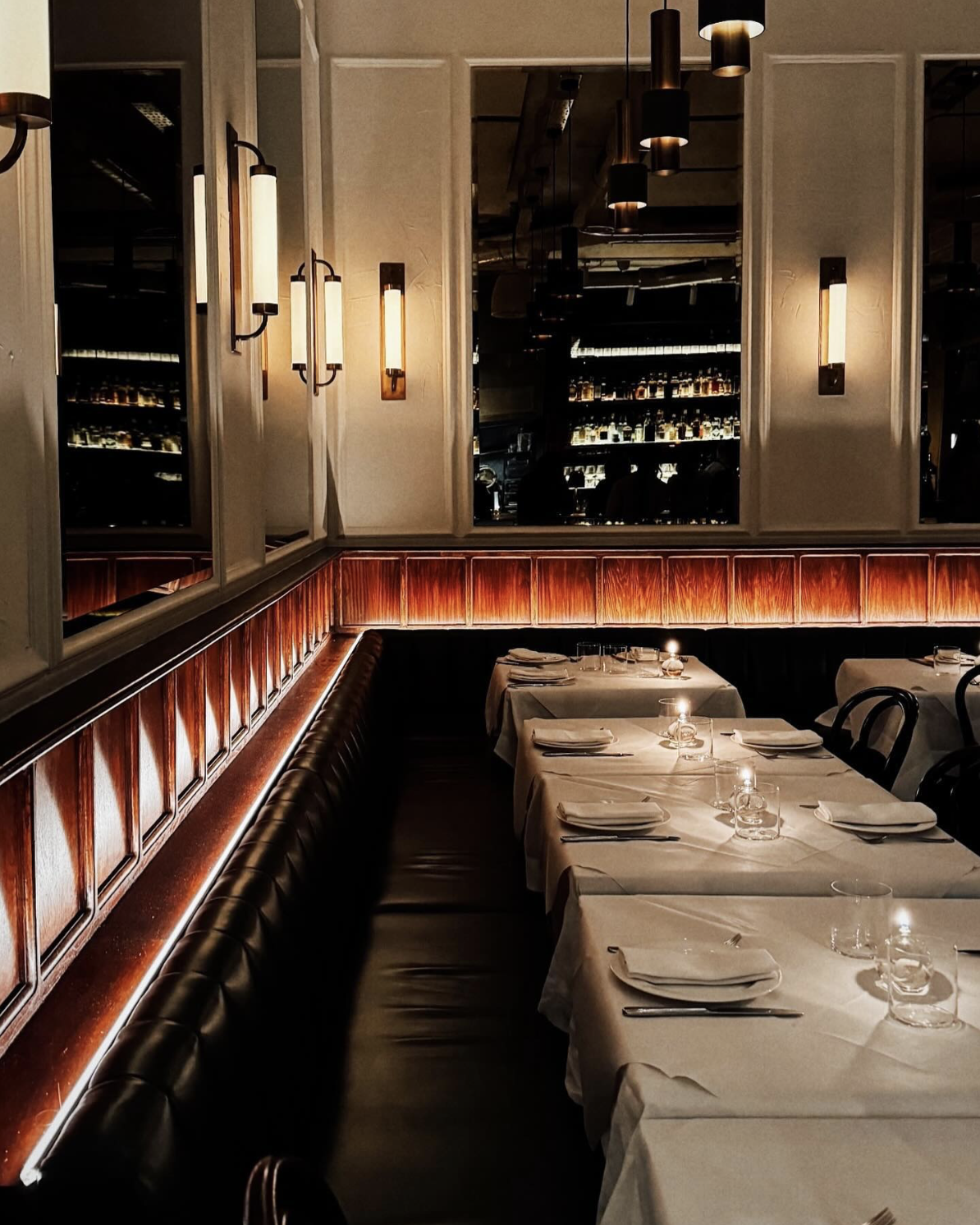
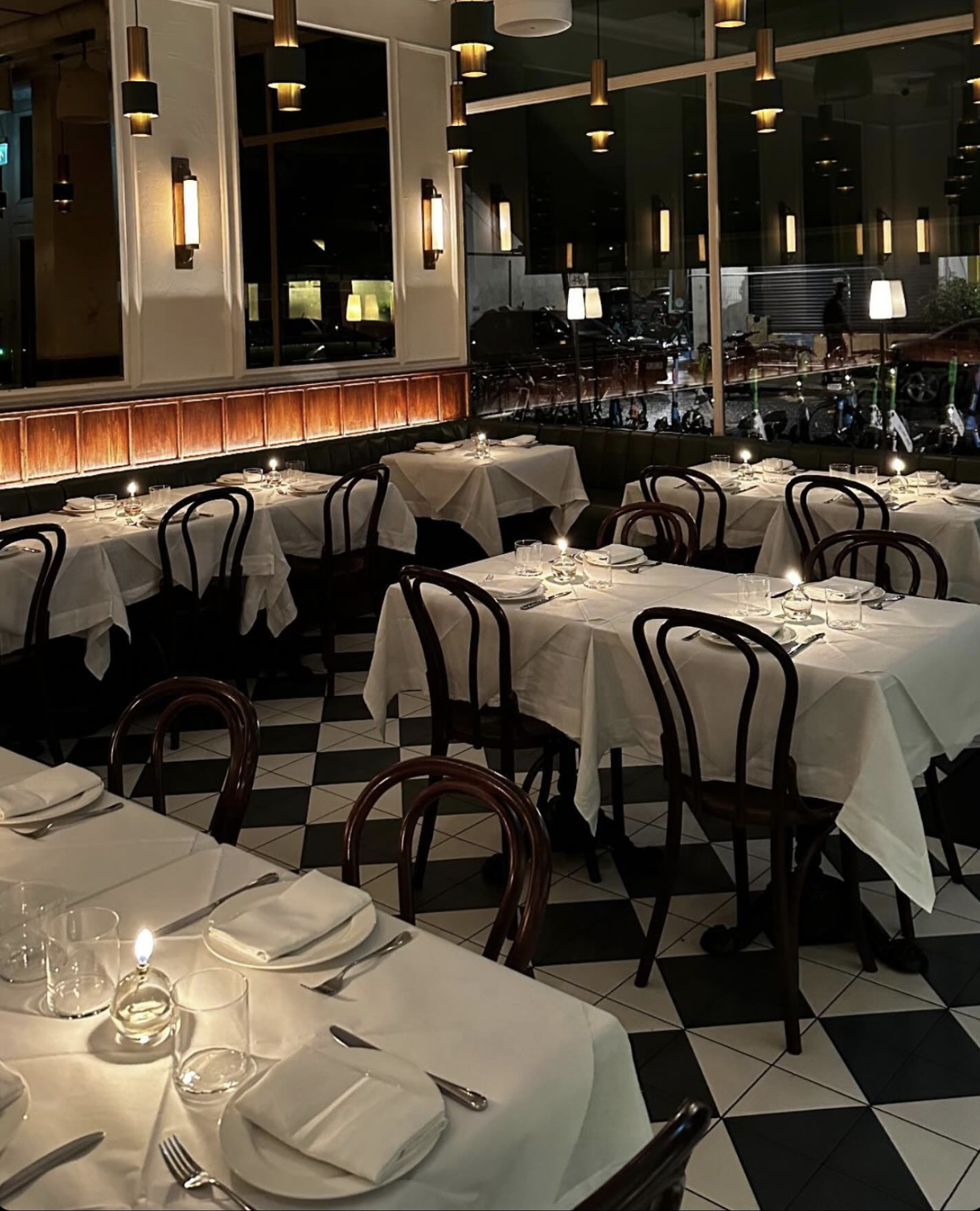
Dorian, Notting Hill - Photography: @dorian.nottinghill
For someone visiting London through a design lens, are there any neighbourhoods, brands, studios or cultural experiences you’d recommend as must-sees right now?
I’d go to the Design Centre at Chelsea Harbour, because even if you don’t buy a thing, it’s one of the most concentrated places to see brands, craftsmanship and the industry in motion. Also, the Andrew Martin showroom is amazing and places like Lots Road and Pimlico Road, because there’s so many showrooms and antiques.
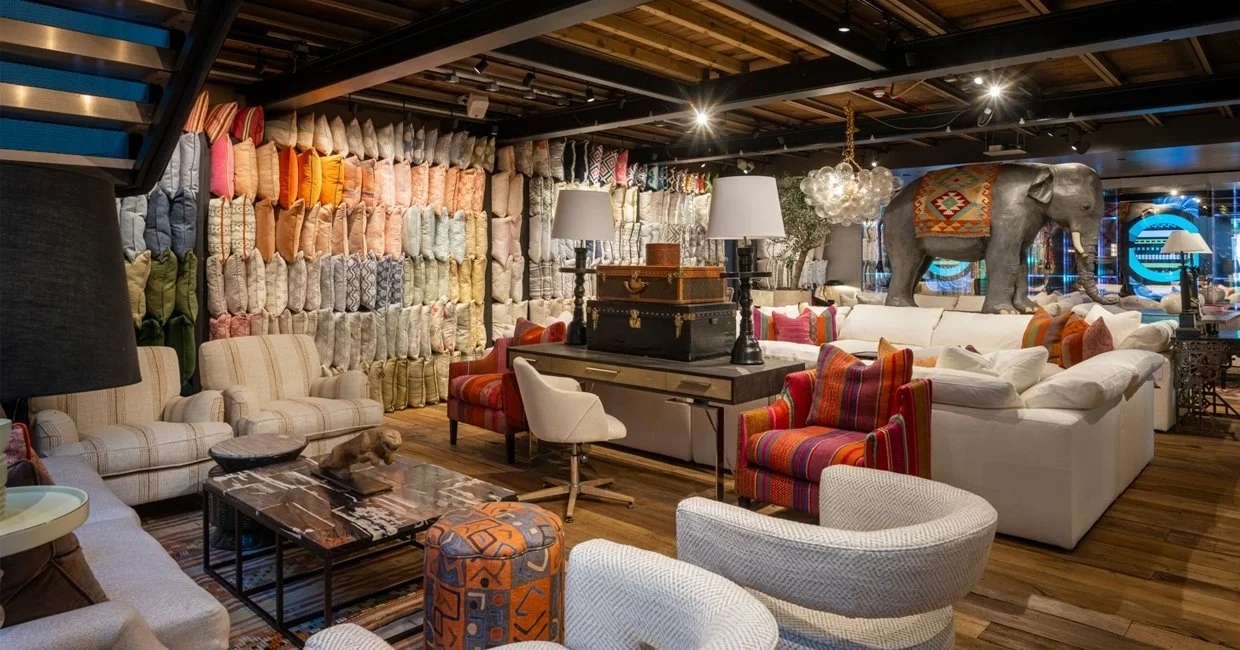
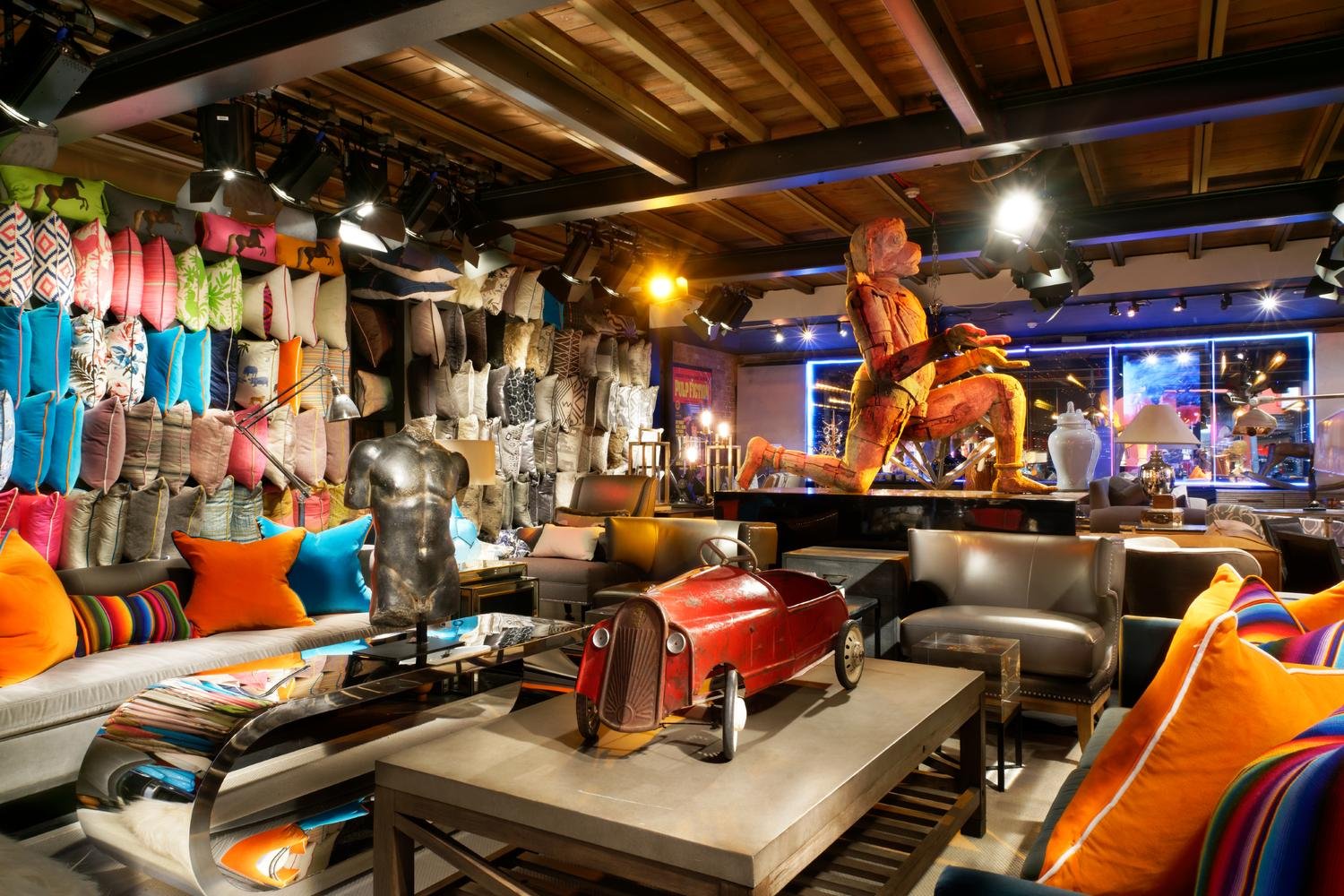
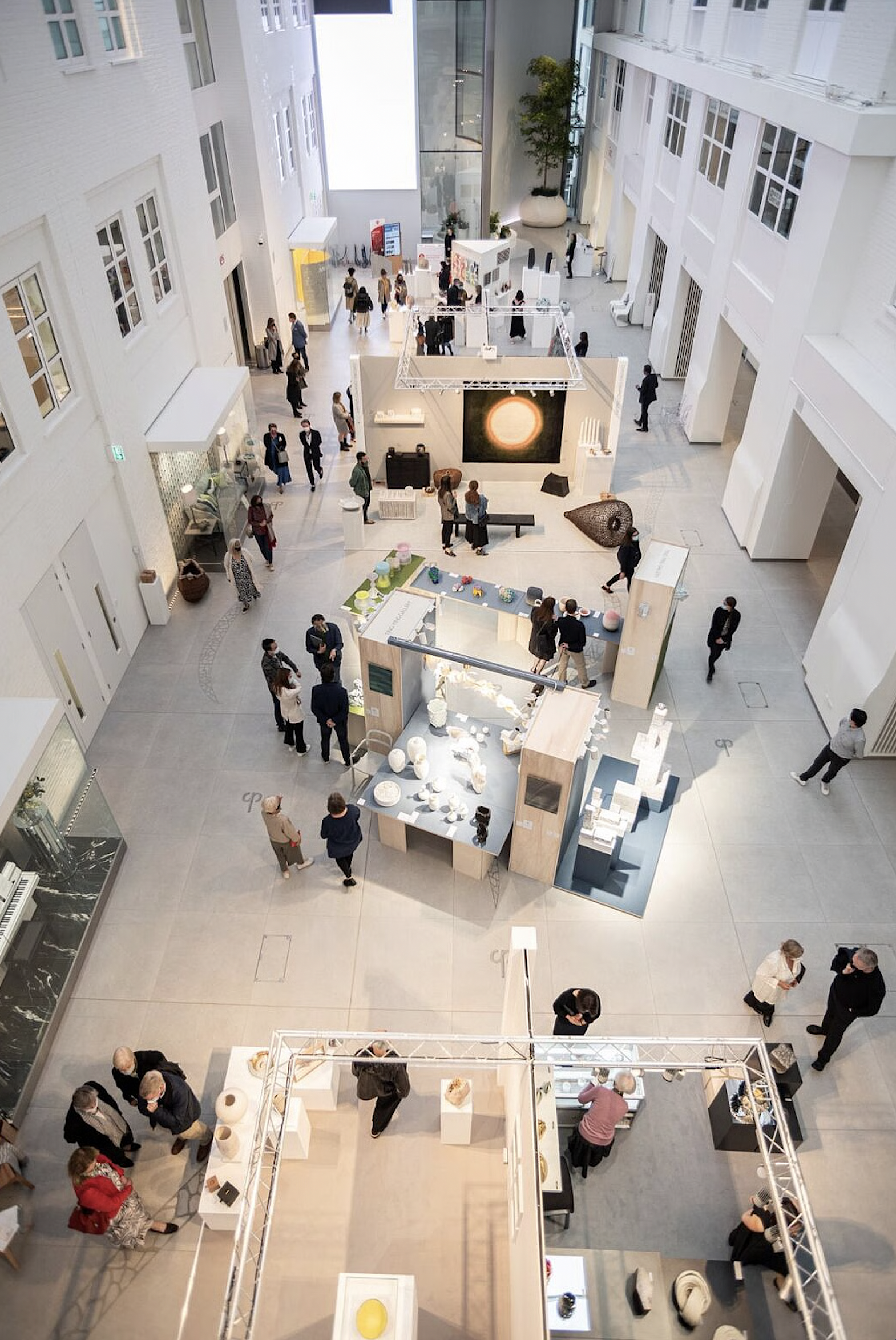
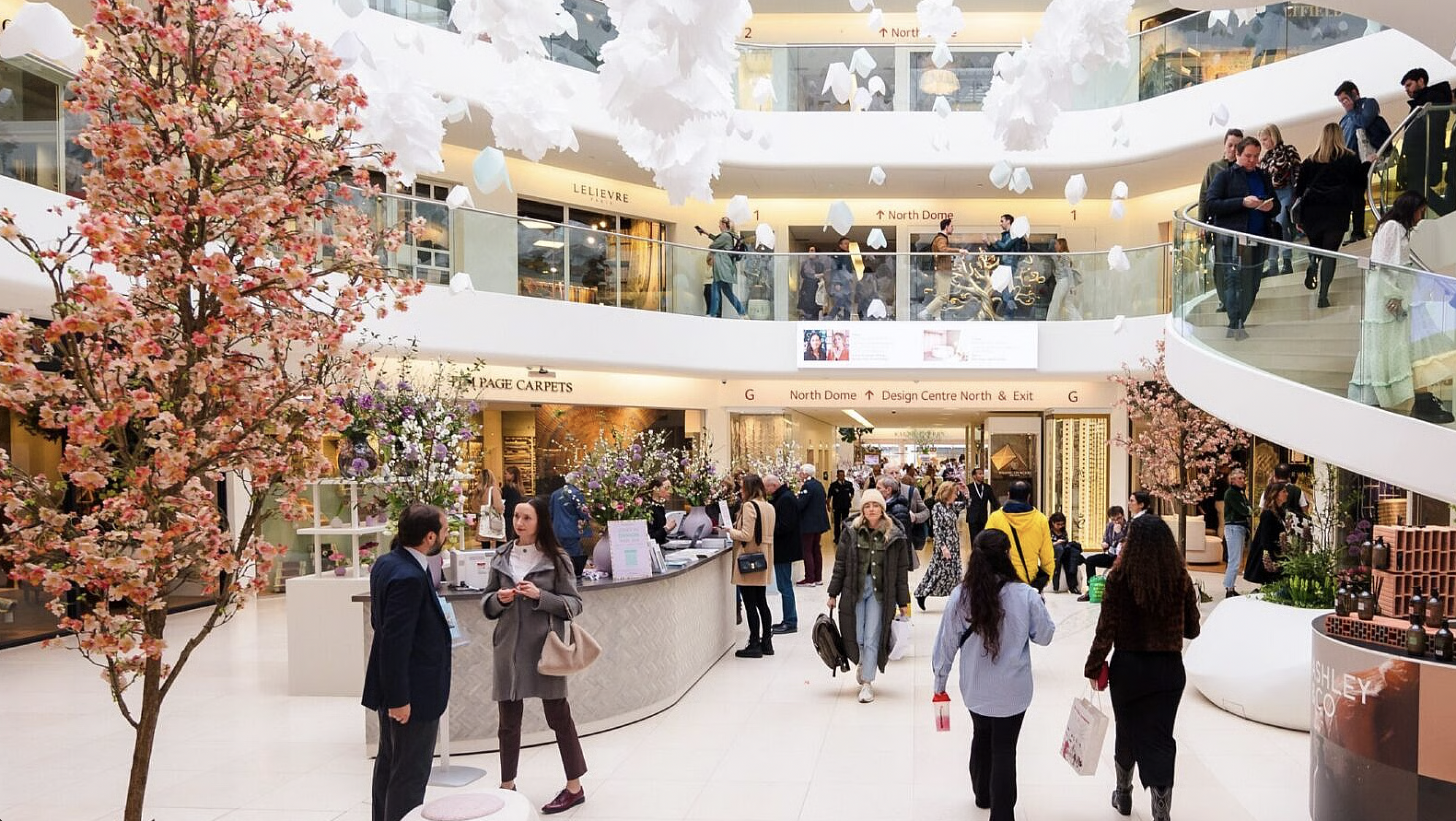
Top row: The Andrew Martin Showroom, Walton Street / Bottom row: The Design Centre, Chelsea Harbour
As our conversation draws to a close, we extend our sincere thanks to Kelly Hoppen for her time, generosity and unmistakable clarity. Her reflections on craft, intuition and the power of calm design offer a rare window into a career that has shaped—and continues to shape—the global landscape of interiors. From the evolution of her signature aesthetic to her grounded advice for emerging designers and her insider recommendations across London, her insight reminds us why she remains one of the industry’s most influential voices. It has been a privilege to explore her world, her philosophy and her enduring impact on contemporary design.