In Conversation With: Sarah Casewit
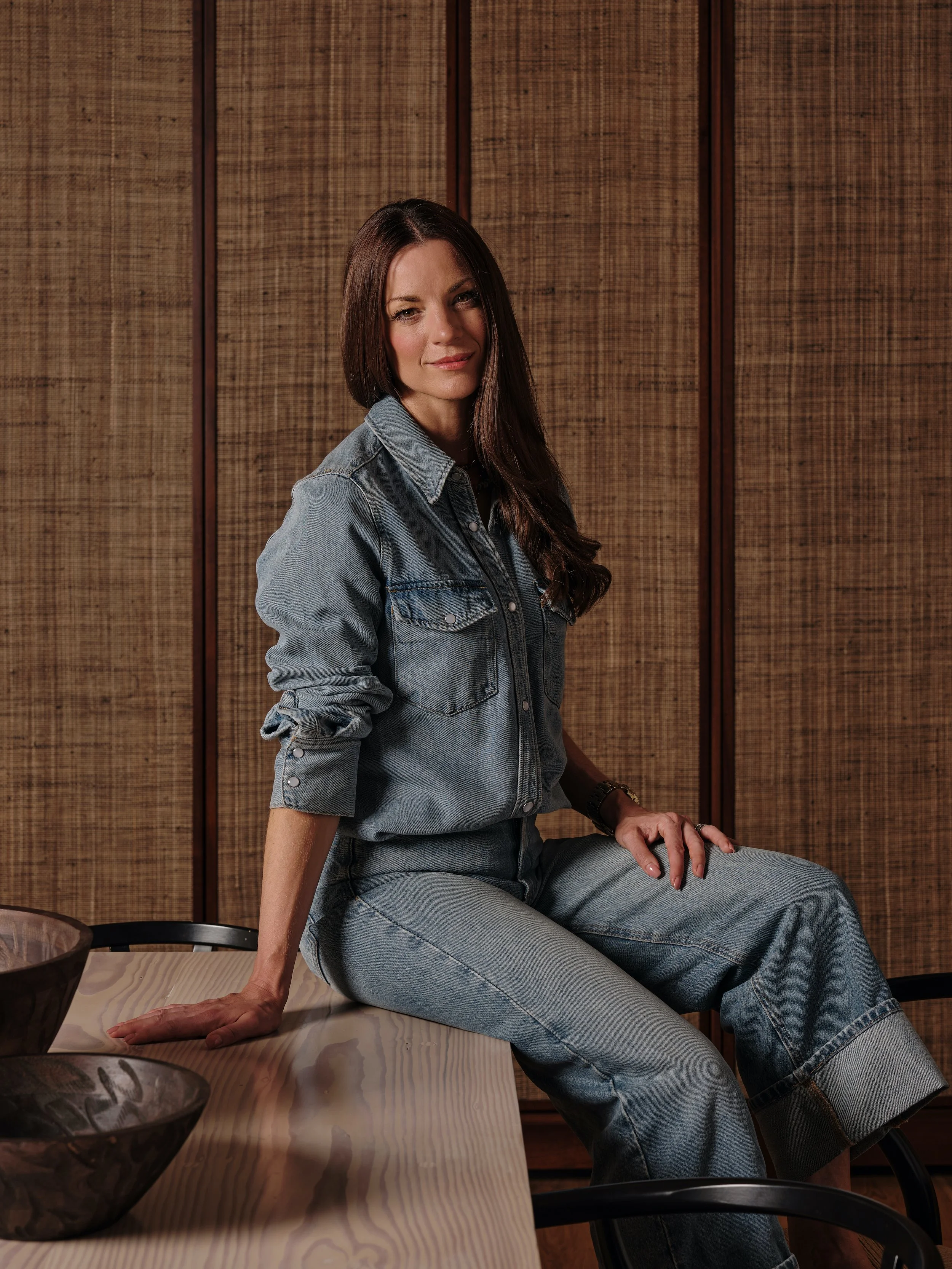
In an era when luxury travel is often reduced to glossy finishes and five-star trimmings, Sarah Casewit is reimagining what it means to journey well. With over 15 years of experience spanning Buenos Aires, Marrakech, and Mallorca, the luxury travel expert has launched her own eponymous consultancy dedicated to soulful, culturally immersive itineraries for a new generation of discerning explorers.

Casewit’s philosophy is simple but radical: true luxury lies in transformation. Born in Morocco, fluent in four languages, and with a career that includes co-founding the pioneering Naya Traveler, she brings an expansive global perspective and a network that stretches from artisans in Kyoto to nomads in the Atlas Mountains. Through these connections, she unlocks access to experiences usually reserved for insiders: private dinners in historic riads, conversations with master craftspeople, and even exclusive, after-hours entry into UNESCO World Heritage sites.
“Luxury travel goes beyond mileage,” she explains. “It’s about journeys designed with intention—moments that connect us to culture, preserve tradition, and inspire transformation.”
Please briefly introduce yourself, your work and travel philosophy
I’m Sarah Casewit, founder of my boutique travel consultancy, rooted in soul-stirring experiences, meaningful human connection and cultural depth. I was born in Marrakech and lived in Morocco for almost 20 years. I spent about 10 years in Buenos Aires, Argentina, with a couple of stints in Syria and India. I now live on the island of Mallorca, Spain. With over 15 years in the luxury travel world and a background of living on four different continents, I specialize in crafting journeys that feel both personal and profound, that inspire transformation. My travel philosophy is simple and sincere: the most memorable trips are the ones where something inside you shifts, whether it’s emotions or perspectives. I believe travel should awaken us to beauty, to a certain degree of discomfort, to joy, to otherness and ultimately to ourselves.


You've just launched your boutique travel consultancy, what have been the most challenging elements to realising your business vision?
Beyond the obvious challenges of running a travel business in the current climate, translating a deeply personal, intuitive approach to travel into a scalable business has been a delicate dance. As an entrepreneur with experience in both developing companies and launching my own, I’ve had to nurture a skillset that helps me protect the soul of what I do while building the systems to support growth. When you start to speak your authentic language, you resonate with more and more people, attracting more business. This is a very good problem to have and one I am deeply grateful for.
What has been a continual inspiration throughout your career and business journey?
The quiet dignity and grounded wisdom of people in the destinations I offer, especially those in rural or traditional communities. These encounters have been my greatest source of inspiration over all these years and beyond (I was moved by people in Djenne, Mali, at a very young age). While we travel the world seeking joy, change, beauty or a sense of meaning through ever more elaborate experiences, I’m constantly humbled by the contentment I witness in those who live simply, close to the land, anchored by community and values. Their lives may appear modest from the outside, but there’s often a richness in their rhythm and a kind of joy that isn’t loud or curated. It’s just honest and real. They remind me that travel isn't about chasing more, but about remembering what truly matters and that is something I think of every day.

Sarah Casewit
Can you tell us about a personal travel experience?
I travel at least one week every month and choosing a single life-changing moment is truly impossible. My approach to travel is always honest and vulnerable, which opens the door to endless meaningful experiences. Most recently, while journeying through Oman, I spent time in Nizwa, one of the country’s oldest cities, once its capital and a thriving centre of trade, education, and Islamic scholarship. At sunrise, I ventured alone to the cattle auction and morning market: just me, my camera and a friendly smile. I was the only woman there, yet the Omanis greeted me with kindness, respect, and quiet acceptance, allowing me to witness their world without intrusion. The people moved gently with the cattle, their pace unhurried. This was not just commerce, but a way of life deeply rooted in tradition and culture. As the early light filtered through the dust stirred by the animals, it cast a golden aura around us. I remember this very clearly. Everyone was dressed in traditional robes, embodying centuries of heritage. In that moment, I felt honoured to be present in a space untouched by the West’s influence, a rare and profound glimpse into a living culture.
What travel recommendations can you share with our readers for 2025/2026?
Look beyond the trending hotspots and give destinations the time and space to unfold. Depth always rewards the curious. Going to Greece? Skip the over-saturated islands and explore the north or spend time on lesser-known isles where you can connect with the rhythm of local life and the people who carry it.
Expand your horizons: there’s so much more to experience than Italy in July. Pay attention to major events, festivals, and sporting occasions, not as highlights but as signals to travel elsewhere. These moments can flood a destination, inflate prices, and strip away its authenticity. Instead, lean into the shoulder seasons and the overlooked corners.
Book months in advance and stay in small properties to increase your chances of authenticity.
Where is your favourite restaurant?
A restaurant with no name in Fez, Morocco, just around the corner from the Mausoleum of Moulay Idriss II, the city’s founder. It’s run by Mustapha and his mother, who lives upstairs, and there are only two tables set right in their living room. The menu? Whatever Grandma feels like making that day. Whatever is fresh from the market. The moment you step inside, you’re not just a guest, you feel like you’re family. If you happen to visit in spring, you might be lucky enough to taste my absolute favourite: Beqoula, a warm salad made from Morocco’s wild Swiss chard. It’s earthy, tangy, deeply nostalgic and nearly impossible to find anywhere else.

What's your go-to comfort food for snacking on at work?
A plate of chopped Rosa de Barbastro tomatoes, drizzled with rich Mallorcan olive oil and covered in sea salt, and a side of Lebanese pita bread with Zaatar and feta cheese, sprinkled with sesame seeds.
What is your favourite cocktail?
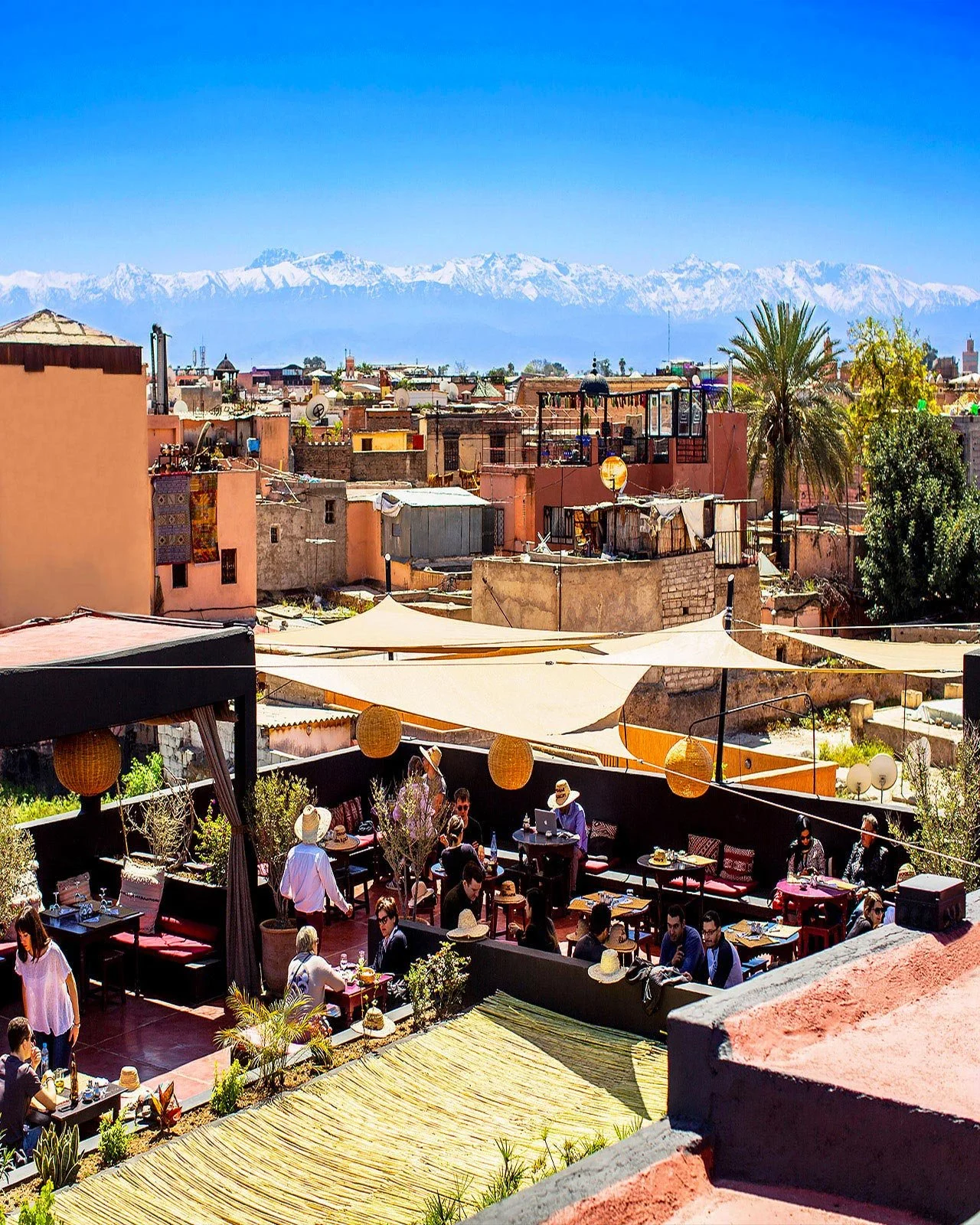
Whenever I’m in my birth city of Marrakech, which is thankfully quite often, I order a virgin mojito. No one does mint like the Moroccans. It’s in their DNA, steeped into every part of their culture through the ritual of mint tea. Their mocktails, especially the mojitos, are unmatched: generous handfuls of fresh mint, perfectly muddled, very sweet and deeply refreshing. It’s a quiet nod to tradition. Terrasse des Epices in the medina of Marrakech does a mean mocktail.

What would you love to see more of in the travel industry?
Depth. I’d love to see a deeper curiosity and receptivity to land, to people, to cultural and intellectual nuance. Travel that slows down, that honours emotional intelligence and supports cultural preservation. Too often, superficial travel erodes the very sacredness we set out to experience. If we want this industry to thrive in a meaningful way, we need to nurture intentional, slower travel that broadens our range and deepens our impact.
We also need to shift the spotlight. More locally owned and locally run hotels deserve to be featured, not just on the last page, but on the covers. These are the places carrying heritage, hospitality, and heart. Let’s refocus on the stories and spaces that are rooted in place and community.

What would you like to see less of in the travel industry?
If there’s one thing, we can all agree needs to go, it’s performative sustainability. True sustainability (environmental, economic, socio-cultural) is incredibly complex and nuanced. And yet, the word (along with “regenerative”) is being tossed around like Tic Tacs. It's become a glossy layer of greenwashing rather than a genuine commitment and has propelled me to think twice when I see the word "sustainable".
I’d also love to see less of the box-ticking, must-see-it-all itineraries. These reduce people and places to bullet points on a checklist, designed for passive consumption rather than meaningful connection. Too often, you bump into the same people repeatedly, staying at the same hotels, doing the same “uniquely tailored” activities. It flattens the experience, stripping it of spontaneity and depth. We need more travel that invites curiosity, reciprocity, and genuine presence.
Read our Fluxx feature about her travel agency here