
In Conversation with: Hermes Gehnen, N25 Caviar
Redefining Modern Luxury Through Terroir, Precision and the Art of Ageing in Fine Caviar Craft
Luxury caviar today is defined as much by provenance and production as it is by rarity. At the centre of this shift is Hermes Gehnen, founder and CEO of N25 Caviar, whose meticulous approach to aquaculture, harvesting and ageing has positioned the brand as a reference point for leading chefs and fine-dining destinations worldwide. Sourced from carefully managed high-altitude sturgeon farms and matured through a precise ageing process in Munich, N25 represents a new model of contemporary caviar production, where traceability, technical mastery and flavour development shape how this historic delicacy is experienced on today’s most discerning tables.
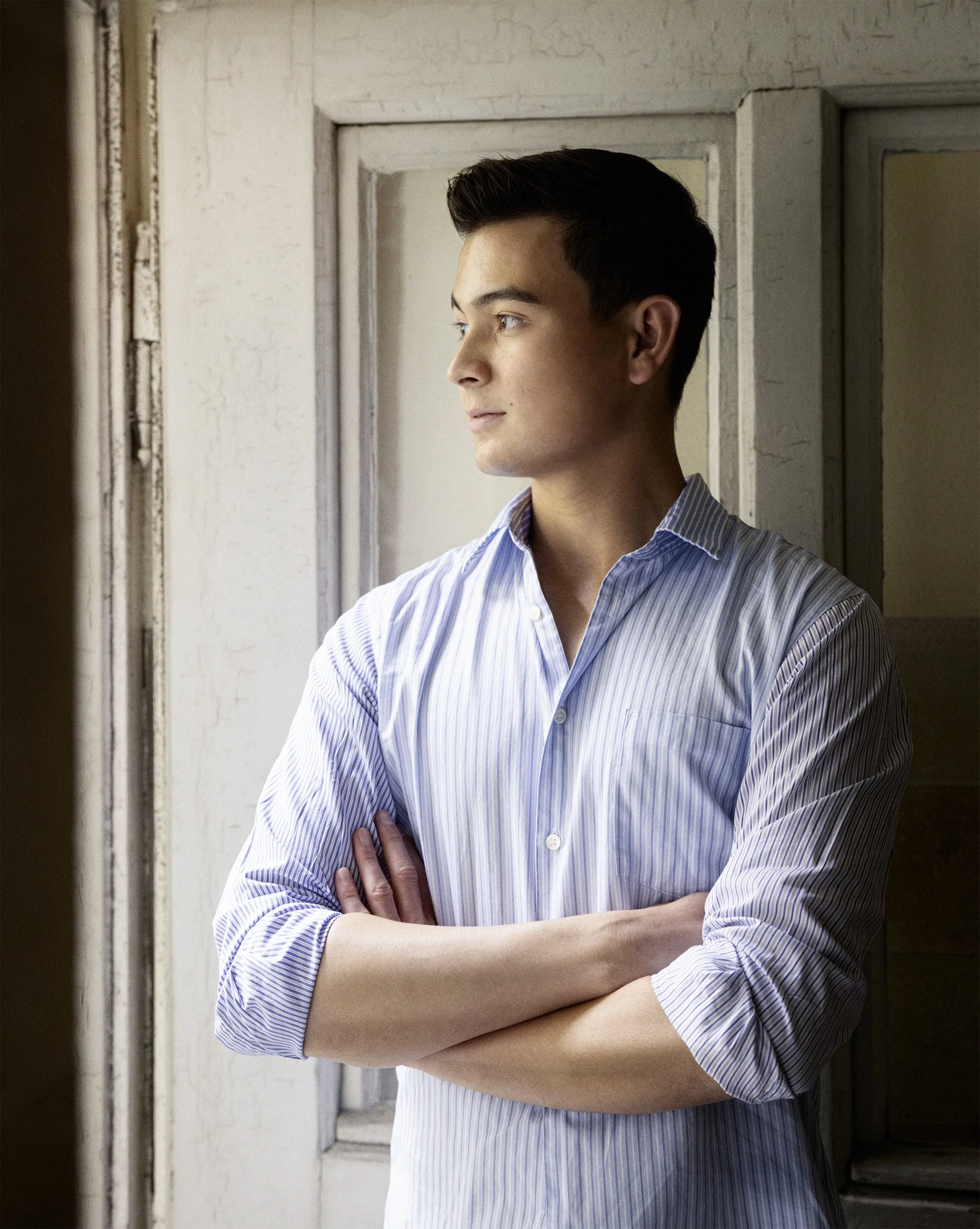
Hermes Gehnen, N25 Founder
The Architecture of Flavour: Inside N25’s Precision-Led World
N25 Caviar has earned a formidable reputation among Michelin-starred kitchens and gourmet collectors alike, celebrated for its precision-led approach and deeply considered production methods. Harnessing pristine mountain water, optimal climate conditions and innovative aquaculture, the brand cultivates caviar defined by clarity, balance and complex umami depth. Each batch undergoes rigorous sensory selection, with only a small percentage meeting the exacting standards required to carry the N25 name.
This pursuit of excellence has led to highly exclusive collaborations with some of the world’s most acclaimed chefs, including three-Michelin-star visionaries Björn Frantzén and Jan Hartwig. Produced in strictly limited quantities and aged to exact specifications, these editions reflect a shared philosophy where nature, time and human expertise work in dialogue.
In this conversation, Gehnen shares the thinking behind N25’s meticulous process, the role of ageing in developing flavour architecture, and why the future of luxury food lies in authenticity, transparency and an almost architectural approach to taste.
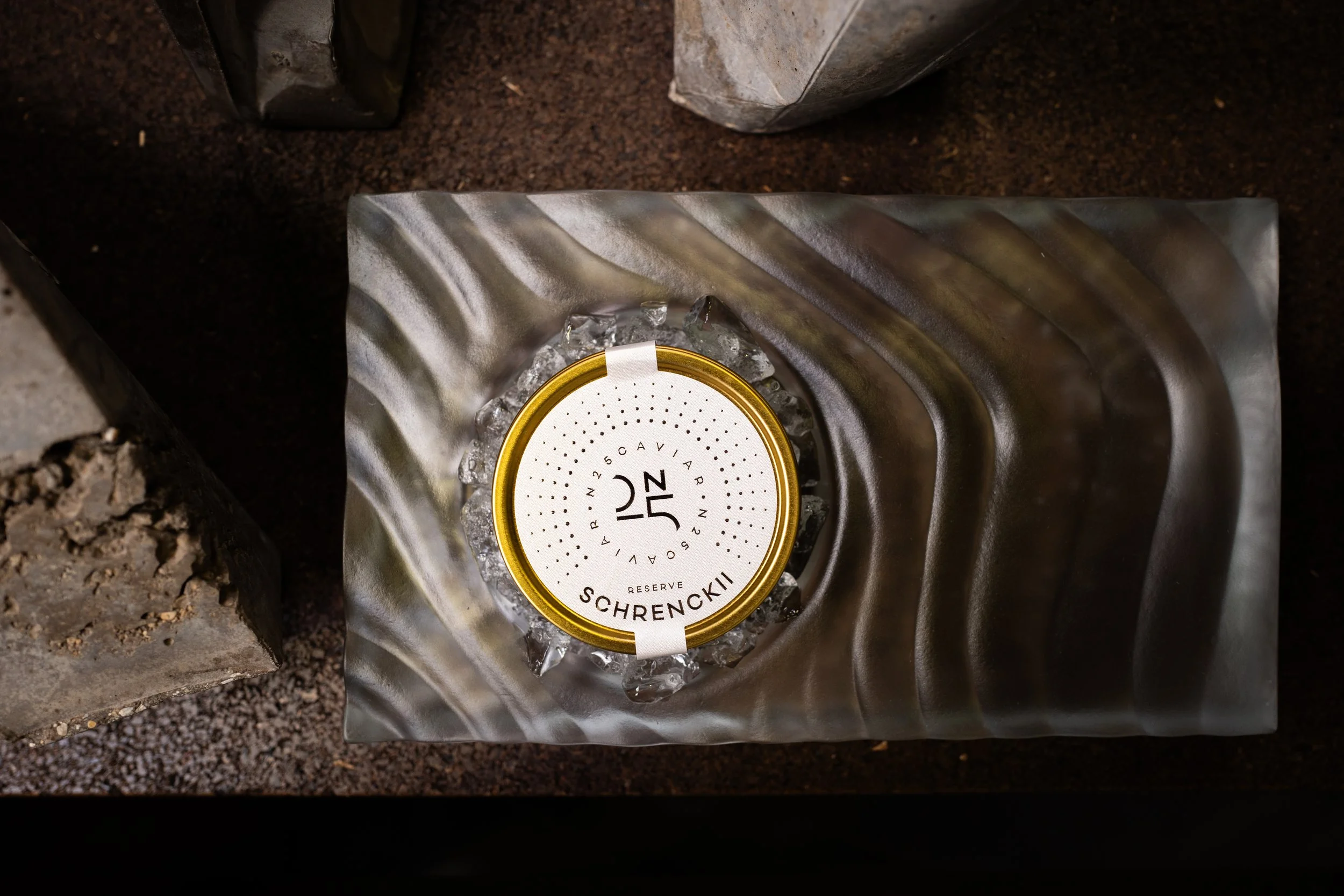
N25 is known for its meticulous ageing process and rigorous selection, with only a small percentage of harvests earning the N25 label. Why was it important for you to set such uncompromising standards from the outset?
From the beginning, I set out my intentions of what the N25 brand was going to be, and that was to have the highest level of chefs using this caviar. To do so, there was no room to cut corners; everything had to be tailored from the process to the selection, and setting these exceptionally high standards was a way to protect the integrity of the ingredient. N25 was never meant to be abundant; it was meant to be exact. If only a small percentage qualifies, that’s not a limitation; it’s the point.
Your caviars are fully traceable, from fish to tin. How important is transparency in redefining trust and credibility within modern gastronomy?
Transparency is foundational. Today’s chefs and consumers are deeply informed and rightly curious. Being able to trace every tin back to an individual sturgeon is about accountability and respect. Respect for the animal, the craft, and the people consuming it. Trust in gastronomy is built through clarity, and I believe the future of luxury lies in openness.
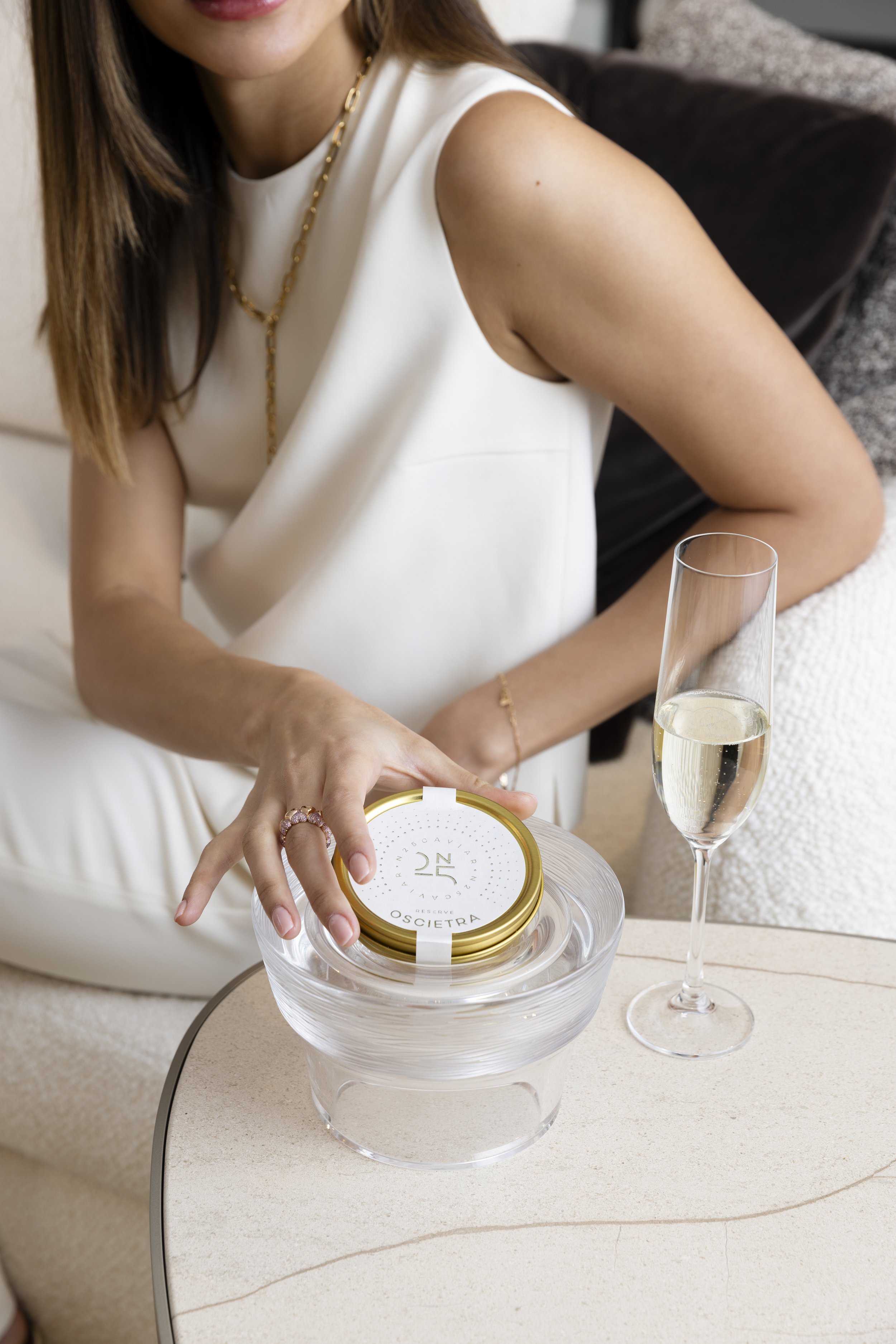
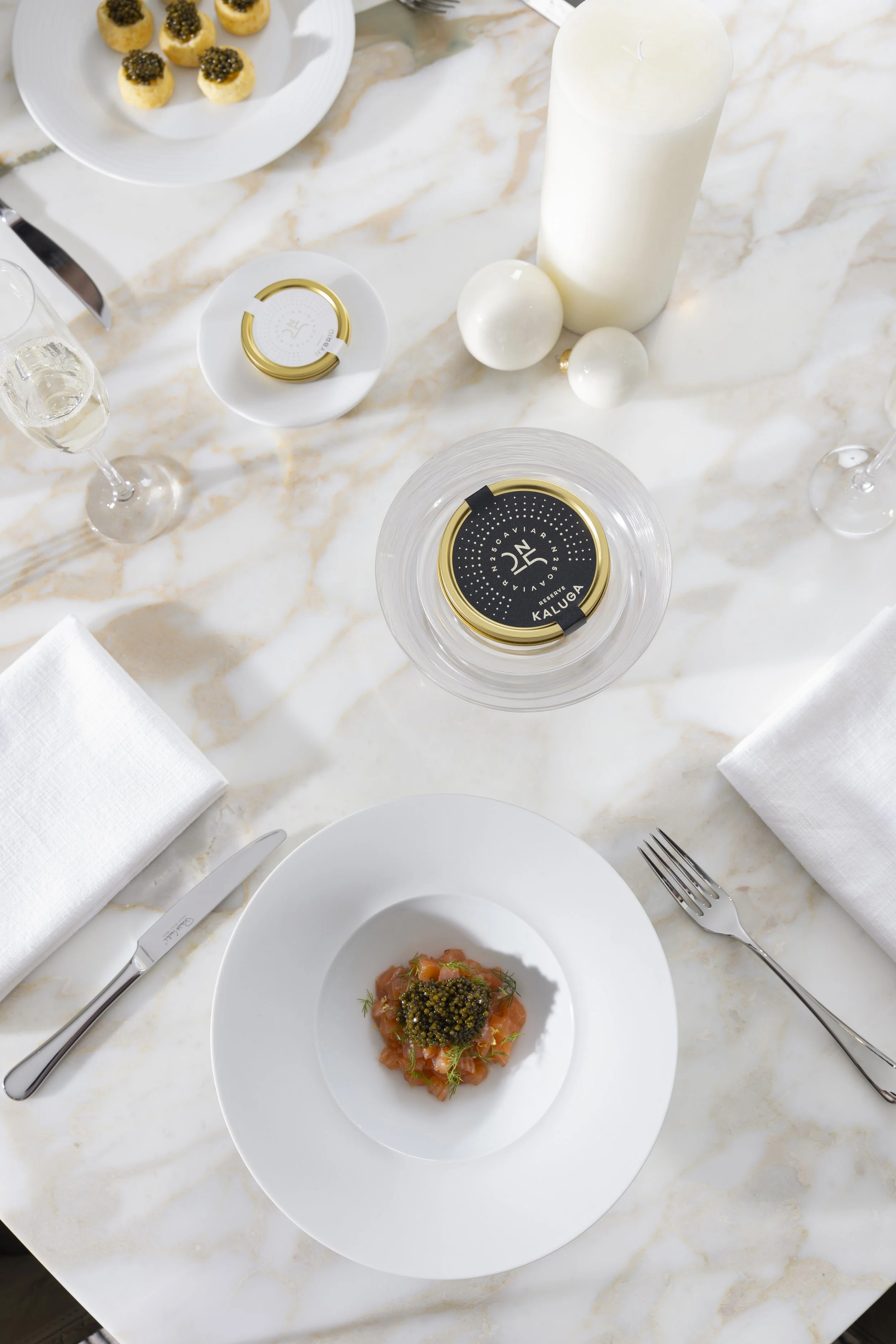
Caviar is often seen as timeless, even traditional, yet N25 feels distinctly contemporary. How do you balance heritage techniques with innovation and modern taste?
The simplest way to put it is that heritage gives us discipline, and innovation gives us relevance. The fundamentals of caviar production are sacred, but taste evolves, context evolves, and so must we. Our approach is to refine these methods by listening carefully: to chefs, to textures, to temperature, to how caviar is used today.
Your recent limited-edition collaborations with chefs such as Björn Frantzén and Jan Hartwig speak to a shared language of precision and emotion. What do you look for in a chef collaborator beyond technical excellence?
What matters the most is sensibility. I admire chefs who understand restraint and know when not to add something. The best collaborations feel less like product placement and more like an elaborate conversation that tells a story of synergy. When that happens, the result resonates far beyond the plate.


N25 Partnership with Björn Frantzén and Jan Hartwig.
As N25 grows globally, what are you most excited about in the year ahead, and where do you see the brand evolving next within fine gastronomy?
I look forward to strengthening relationships with chefs who truly understand the product, entering new markets thoughtfully, and continuing to explore ageing and selection in even more nuanced ways. I see N25 becoming more of a reference point; something chefs trust instinctively when they’re looking for precise flavour profiles.
Travel is often a source of creative renewal. Are there any destinations you consistently return to, or recent discoveries you would recommend to our readers seeking culture, design and atmosphere?
I tend to return to California often, not only for our clients including the 3 Michelin star restaurant Addison in San Diego, but also for nature, art and wine culture. I love to sometimes go for hikes when I'm with friends like Marcus Jernmark, (who led the kitchen at Frantzen and then Zen before now settling down in Los Angeles now opening his new restaurant Lielle). Time in the beautiful nature of California can feel very liberating and refreshing. I definitely suggest the readers go on hikes. I am definitely a friend of wine as well, so I am curious about the cultivation and the process.
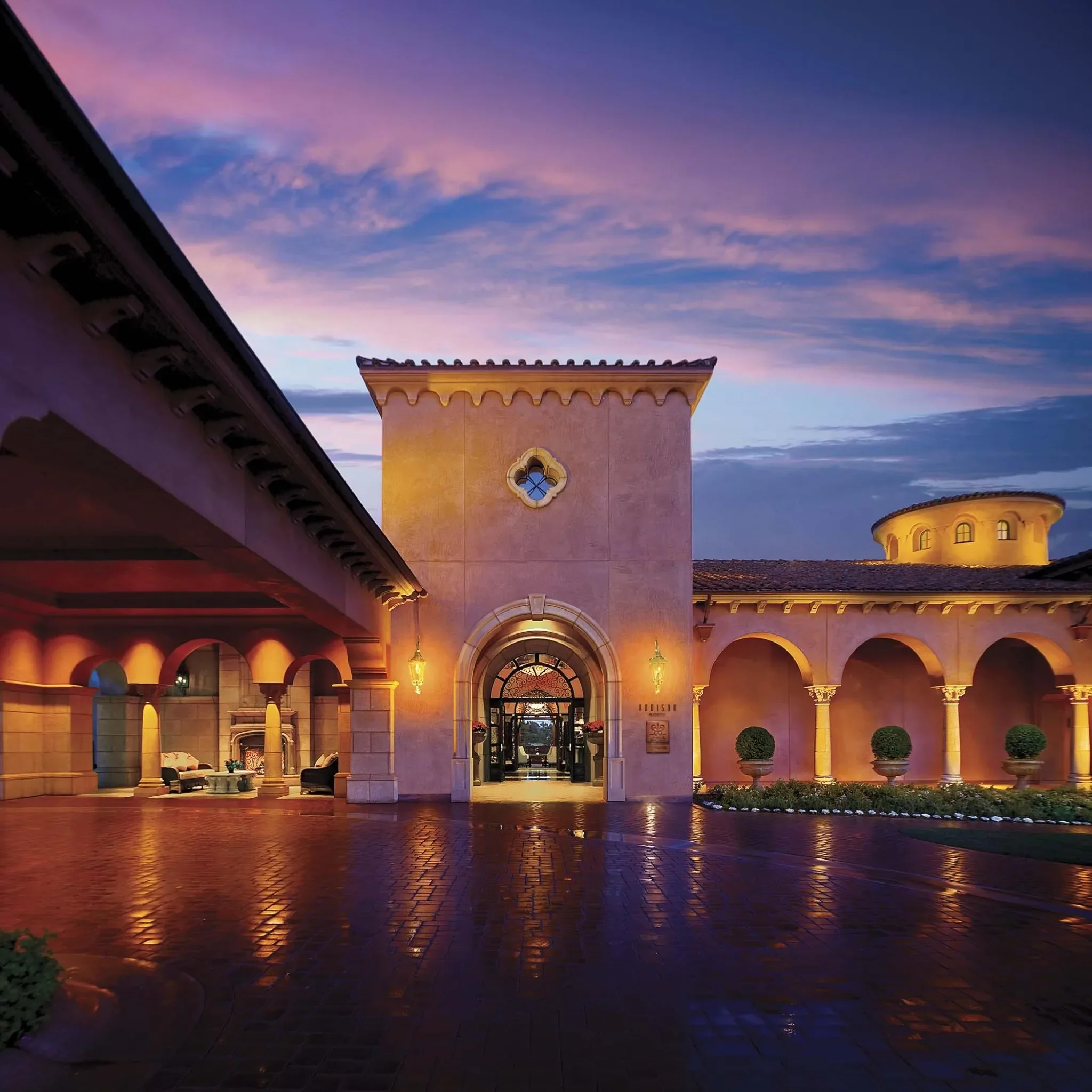
Addison, 3 Michelin Star Restauran, San Diego
Beyond travel, are there any restaurants or cocktail bars whose atmosphere, materiality or sense of style you find especially compelling, spaces you return to again and again?
I love the Ory bar in Munich. Always did and then we also forged a collaboration. They just started a full N25 feature menu to go with some of their drinks. The bar is in The Mandarin Oriental, so it’s a beautiful space and very accommodating. I love bars in Spain. They really know their craft. In terms of restaurants, I honestly can't name just a few.
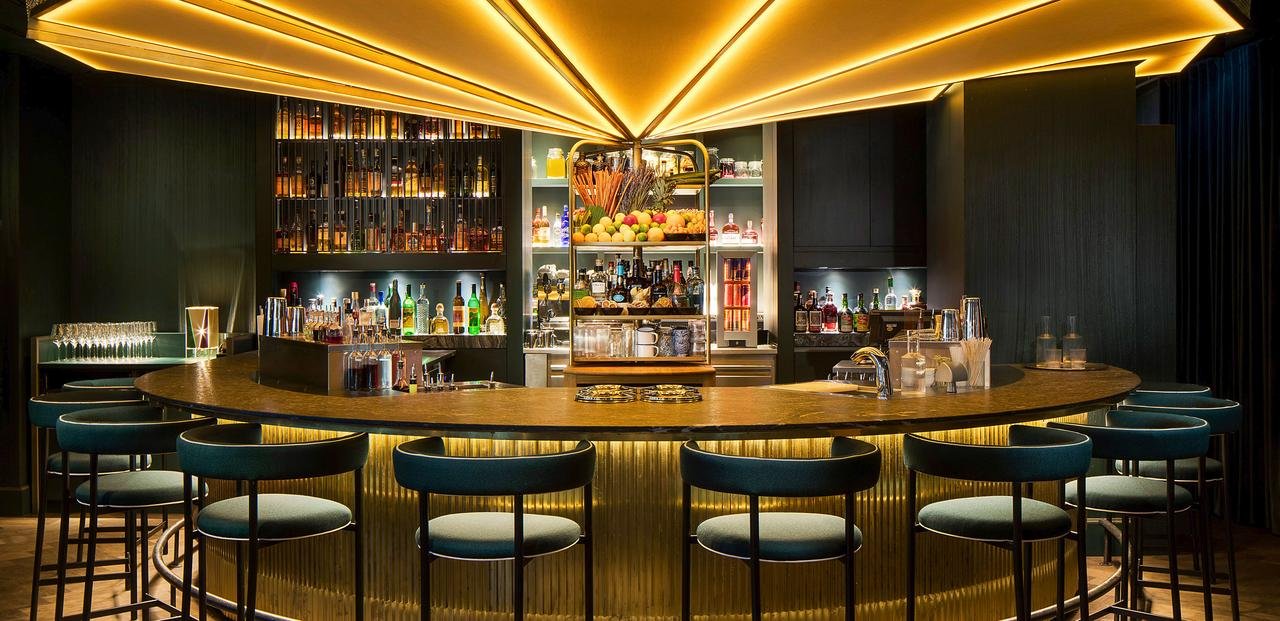
Photography, The Ory Bar, Munich in The Mandarin Oriental.
What would you like to see more of in the culinary world?
More genuine collaboration and honest storytelling. I believe the most meaningful work happens when chefs, producers, designers and artisans truly engage with one another. When the narrative is rooted in shared values and real craftsmanship, it carries depth and credibility. Those are the stories that endure, because they resonate.