Art Basel Qatar: A New Cultural icon for the Gulf
Where contemporary art, architecture and transformation converge in Doha
In February 2026, Doha will take its place on the global art map as Art Basel Qatar launches its inaugural edition, a landmark moment not only for the fair itself, but for the wider MENASA region. Presented in partnership with Qatar Sports Investment (QSI) and QC+, and with Visit Qatar as Lead Partner, Art Basel Qatar signals a new era of cultural ambition for the Gulf.
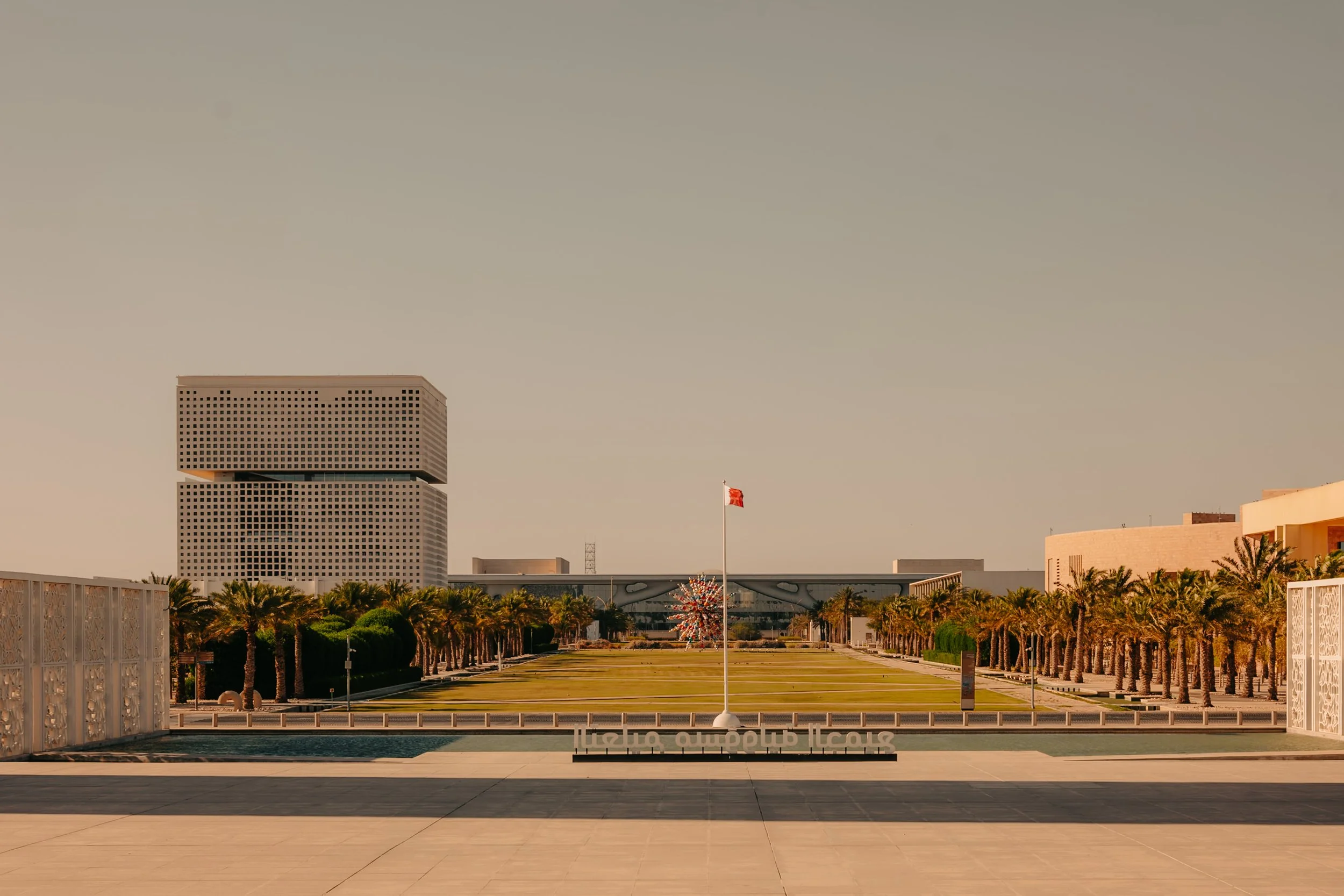
Photography Courtesy of Art Basel
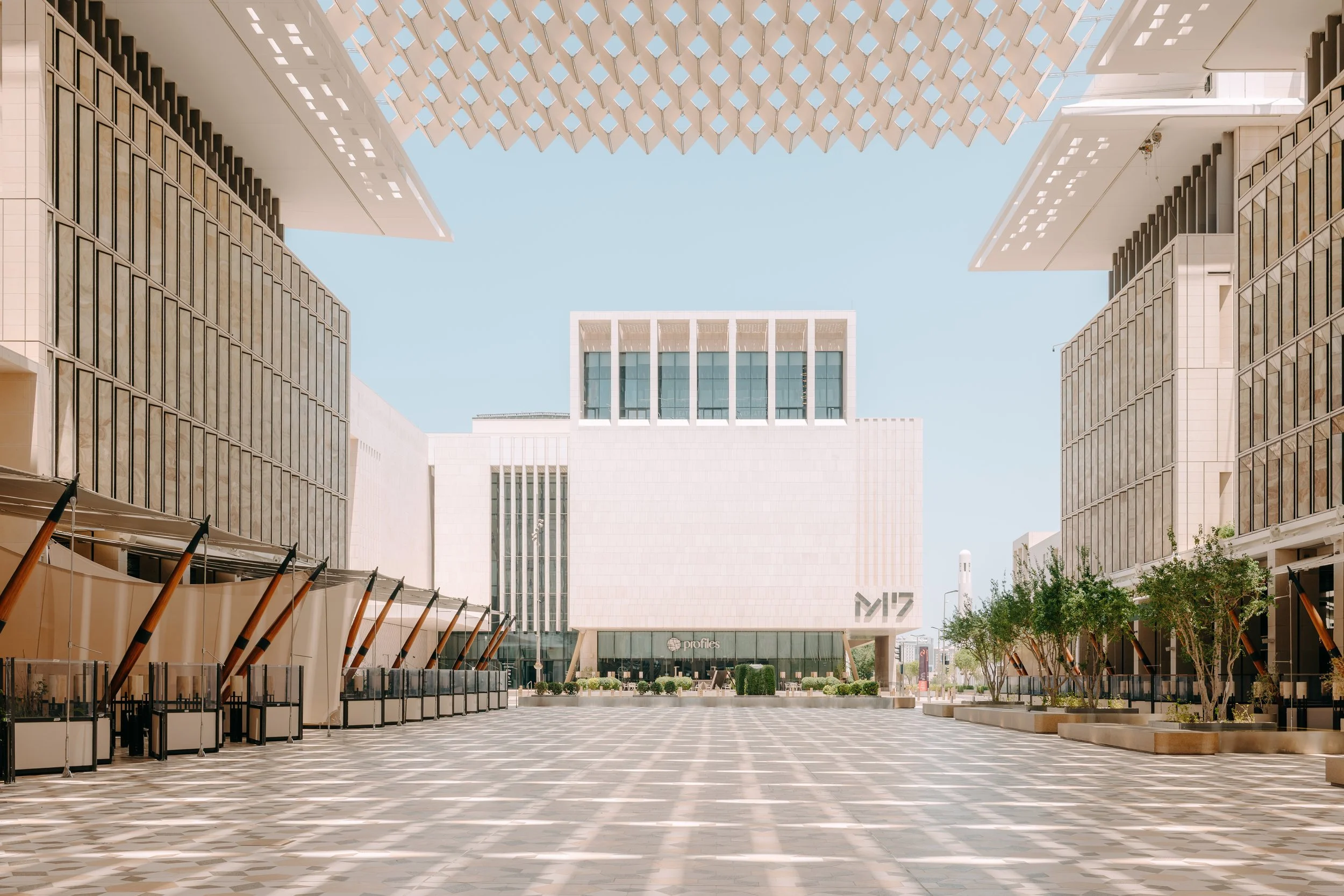
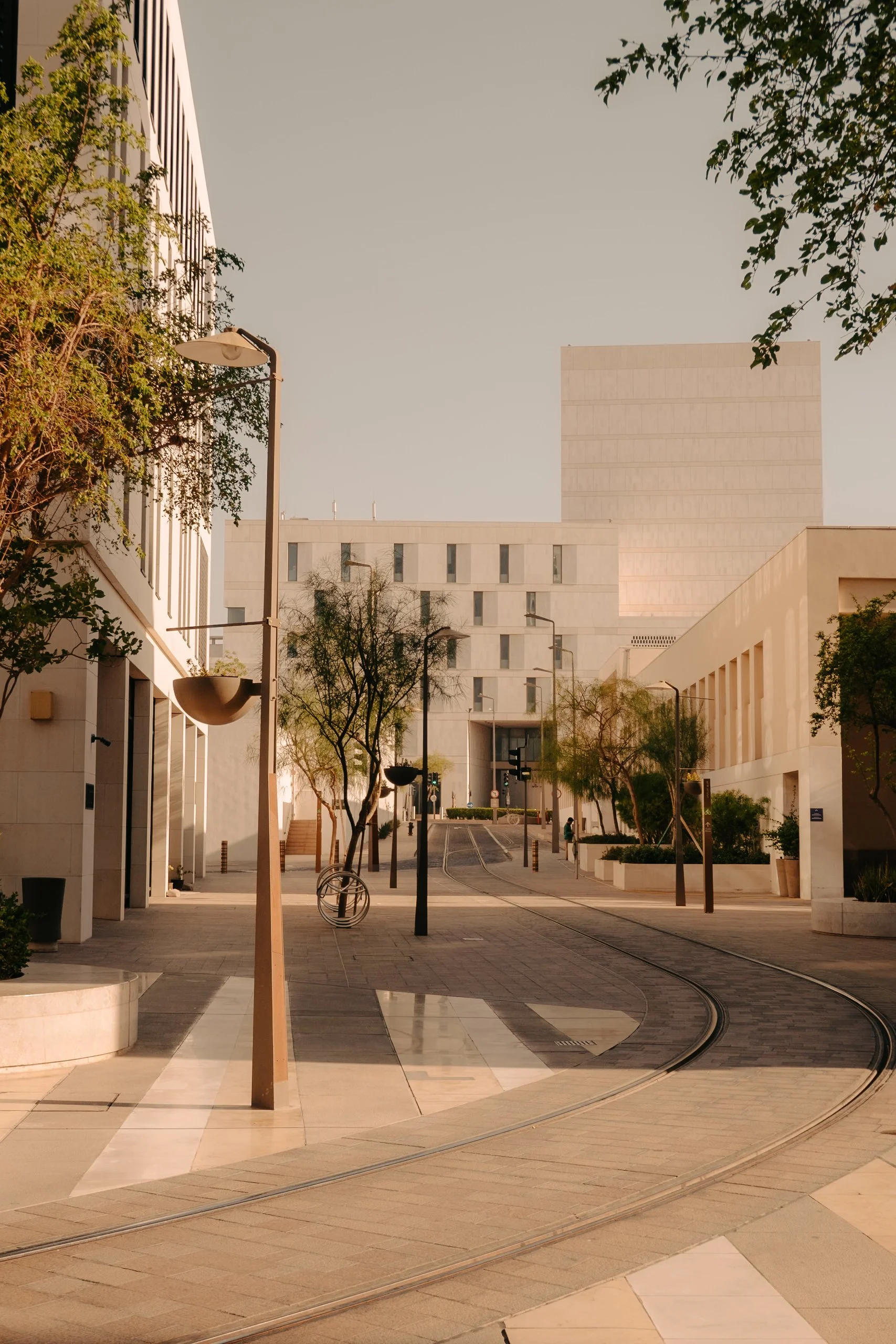
Photography left, M7 in Doha, courtesy of Art Basel
Set across the architecturally striking Msheireb Downtown Doha, the fair unfolds across M7, Doha Design District and a constellation of public and cultural spaces, positioning the city itself as both host and participant. More than a fair, Art Basel Qatar has been conceived as an immersive urban experience — one that reflects Doha’s rapid evolution into a global centre for art, design and contemporary thought.
Becoming: Art Basel Qatar’s Defining Theme
At the heart of the fair lies the theme Becoming, a curatorial framework that explores transformation across material, conceptual and societal dimensions. Alongside its core Galleries sector, featuring 87 galleries and 84 artists from 31 countries and territories, including 16 making their Art Basel debut, the fair introduces an ambitious Special Projectsprogramme that sets this edition apart.
Curated by Artistic Director Wael Shawky, in close collaboration with Vincenzo de Bellis, Chief Artistic Officer & Global Director of Art Basel Fairs, the Special Projects comprise nine large-scale, site-specific sculptures, installations and performances staged across Msheireb’s public realm. Together, they form the most extensive group of public works ever realised for an Art Basel fair.

Photography, Vincenzo de Bellis & Wael Shawk, Chief Artistic Officer & Global Director Art Basel Fairs; Artistic Director, Art Basel Qatar 2026. Courtesy of Art Basel,photo by Jinane Ennasri
These works respond directly to the notion of Becoming, examining metamorphosis, transition and upheaval, while engaging with the environmental, economic and social shifts shaping both the region and the wider world. The result is a narrative-rich journey through contemporary practice, where art unfolds in dialogue with architecture, heritage and the city itself.
Art, Architecture and the Public Realm
Featuring monumental architectural interventions and mixed-media installations, the Special Projects programme underscores Art Basel’s commitment to fairs that are locally grounded yet globally resonant. Developed in close collaboration with Doha’s cultural ecosystem, the programme activates Msheireb as a living exhibition space, blurring the boundaries between gallery, street and civic environment.
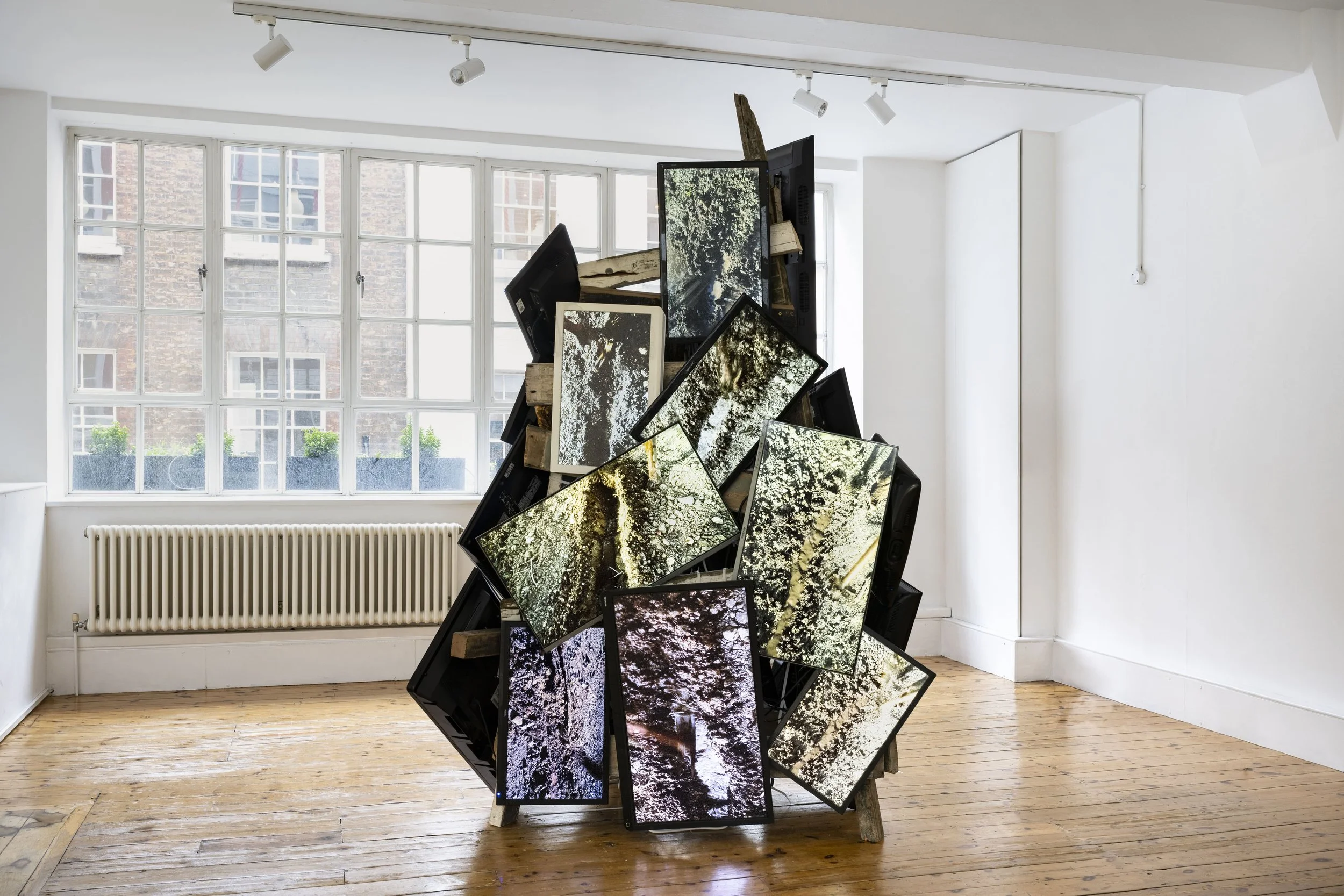
Niru Ratnam, Kutluğ Ataman, Mesopotamian Dramaturgies / The Stream. Courtesy of the artist and Niru Ratnam, London.Photograph by Damian Griffiths.
As Vincenzo de Bellis notes, the inaugural edition offers “an opportunity for visitors to encounter firsthand the richness of artistic expression in the MENASA region,” positioning Art Basel Qatar as a powerful conduit between regional practices and the international art world.

Philip Guston, Sign, 1970. Courtesy of the estate and Hauser & Wirth.
More than half of the participating artists hail from across the region, reinforcing the fair’s role as a platform for voices that are both deeply rooted in local contexts and engaged in global conversations around identity, transformation and place.
A New Anchor Fair for the MENASA Region
With galleries arriving from across Europe, Asia, Africa and the Americas, Art Basel Qatar firmly establishes itself as the region’s anchor fair, expanding the Art Basel network while reflecting Qatar’s long-term investment in culture, education and design.
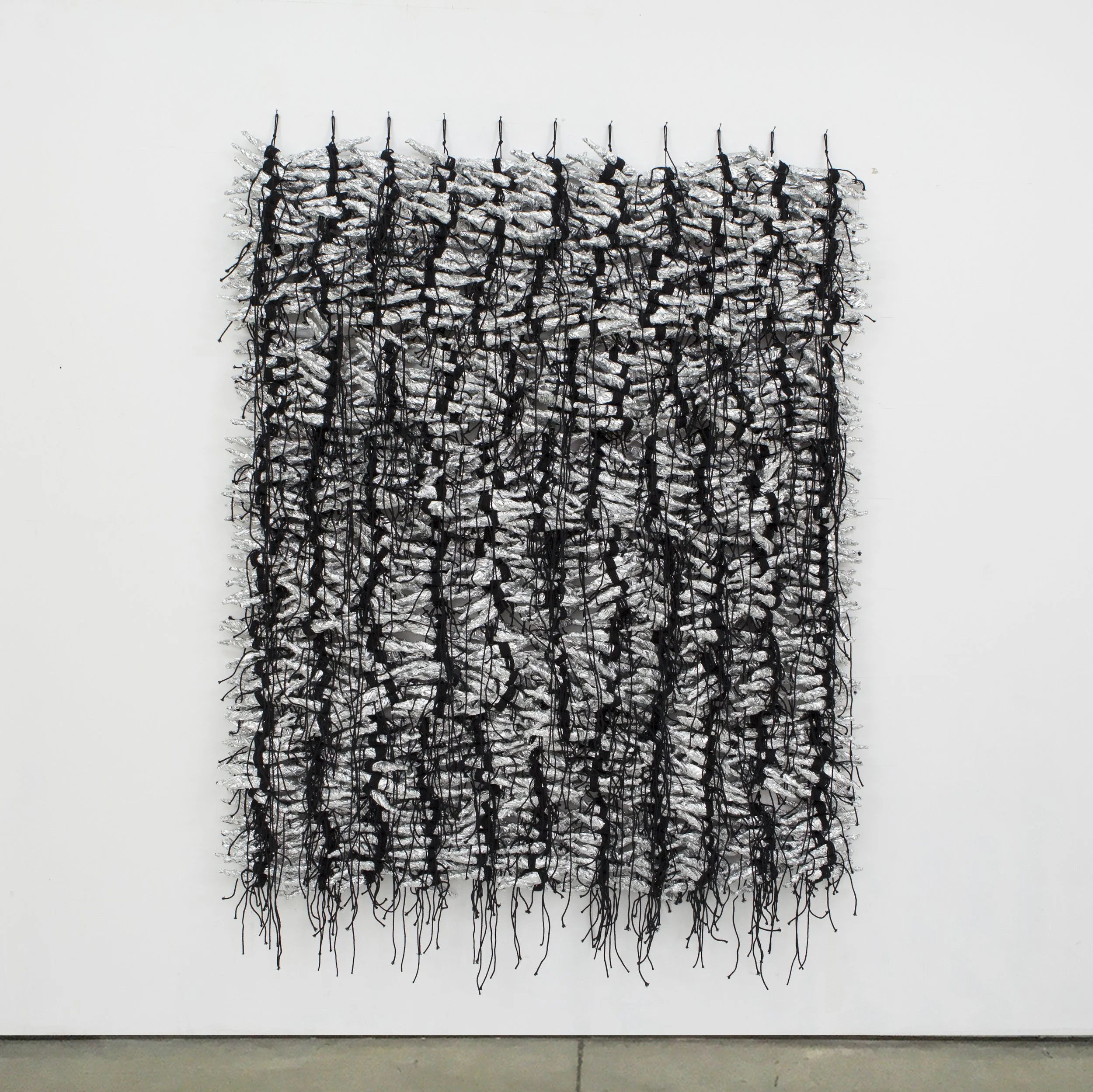
Gallery Isabelle, Hassan Sharif, Aluminium Container, 2016.Courtesy of the Estate of Hassan Sharif and Gallery Isabelle, Dubai.
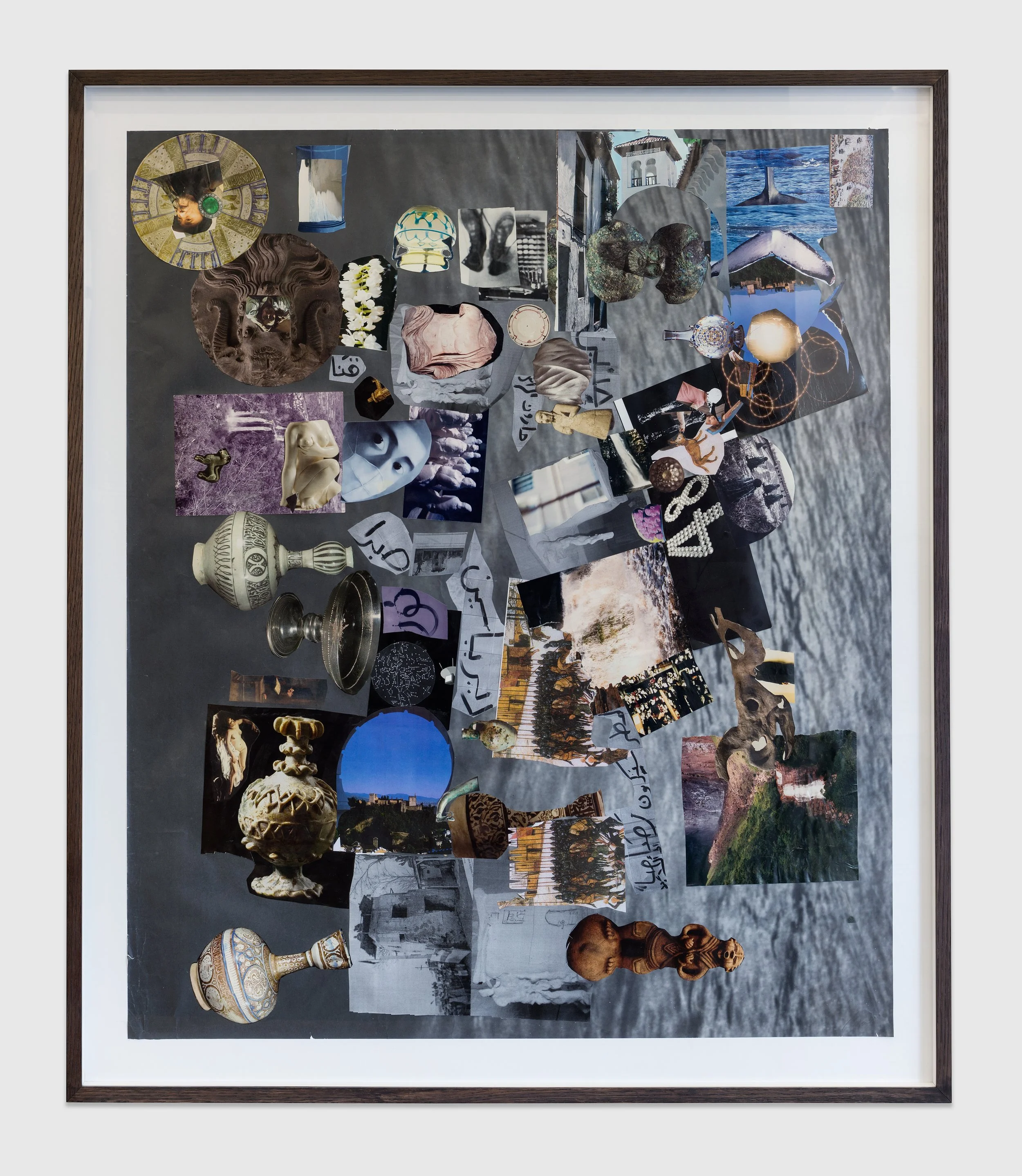
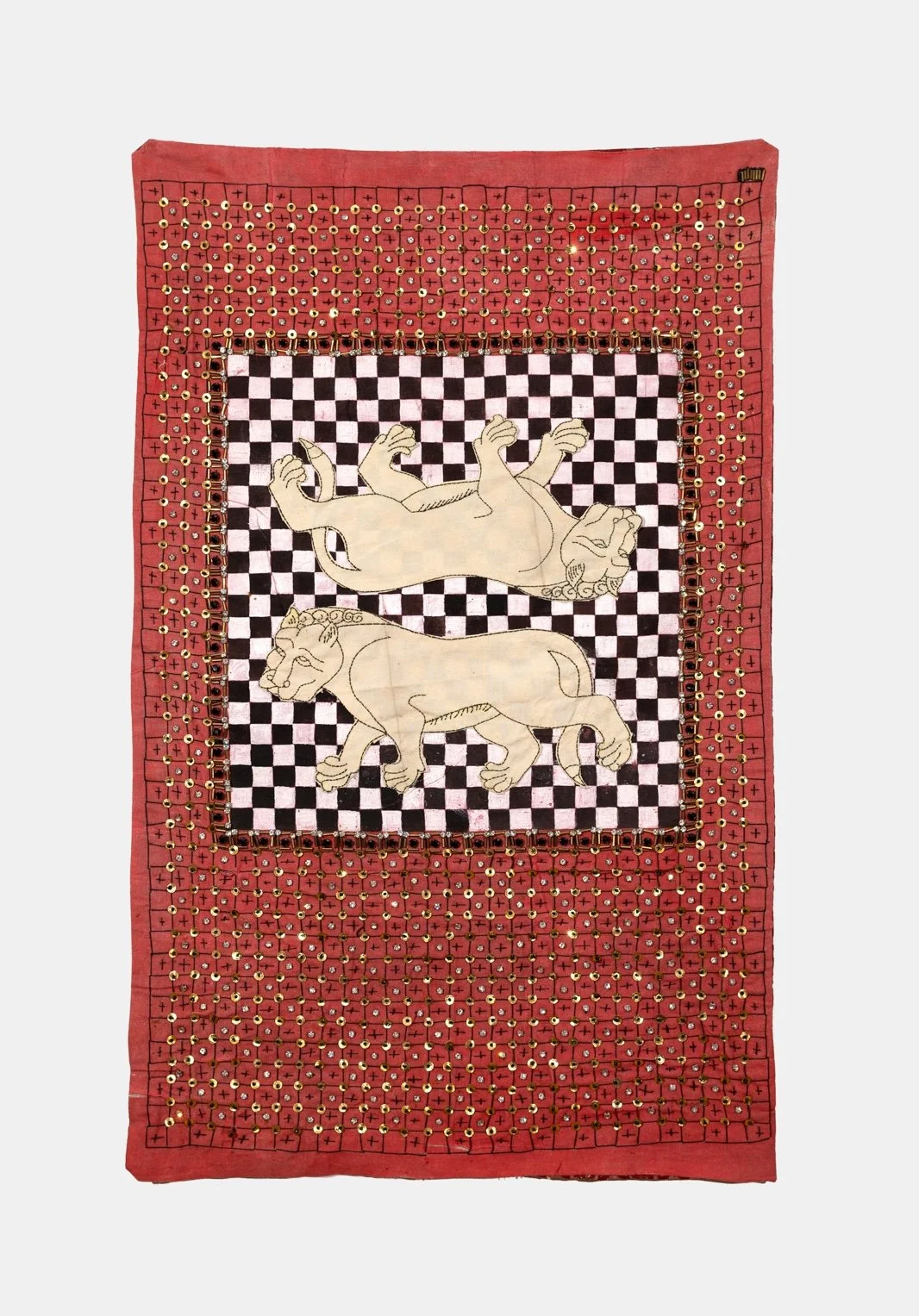
Image left, Karma International Simone Fattal, Le Grand Renversement, 2012. Courtesy of the artist and Karma International. Photo by Flavio Karrer. Image right, Gypsum Gallery
Mohamed Monaiseer, I, Pet Lion (The Royal Crown), 2022. Courtesy of the artist and Gypsum Gallery.
Wael Shawky describes the inaugural edition as a milestone moment, noting how the presentations “activate Msheireb with fresh perspectives and new encounters that reshape how audiences engage with place.” It is this interplay between art and environment that defines the fair’s distinctive character, one that feels at once international and unmistakably of its setting.
The Fluxx Travel Edit: Where to Stay, Eat and Unwind in Doha
For those travelling to Doha for Art Basel Qatar, the city offers a growing collection of design-led hotels and dining destinations that mirror the fair’s contemporary spirit.
At the centre of the cultural action, The Ned Doha has quickly become one of the city’s most coveted addresses. Set within a reimagined modernist landmark overlooking the Corniche, the hotel blends mid-century glamour with refined, club-like interiors, offering multiple restaurants, a rooftop pool and a distinctly cosmopolitan atmosphere that feels perfectly aligned with the art world’s rhythm.
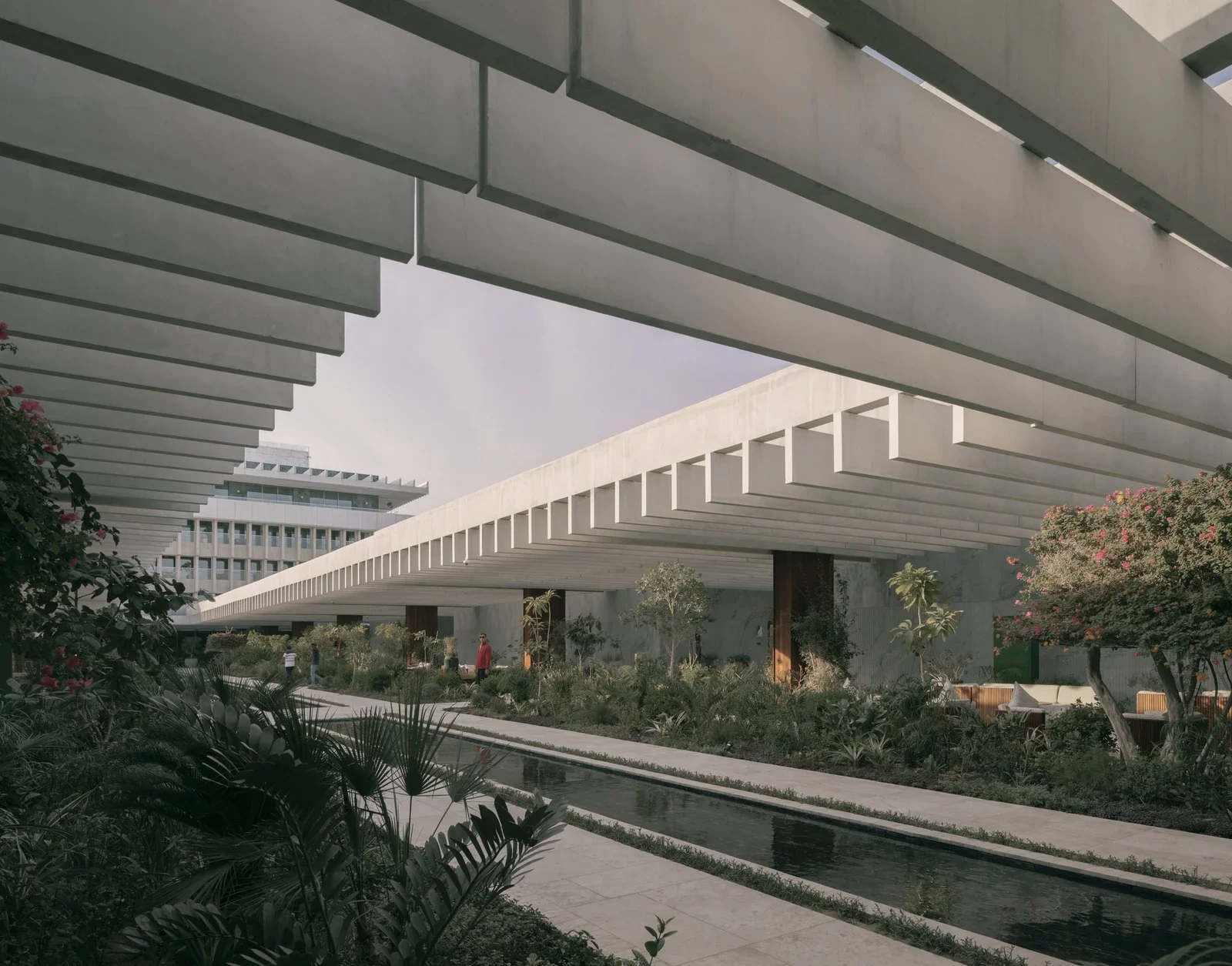
The Ned Hotel, Doha
Elsewhere, Msheireb’s walkable streets are home to an evolving culinary scene, from elevated Middle Eastern dining to contemporary cafés and design-forward restaurants ideal for post-preview conversations. The Doha Design District itself continues to emerge as a hub for fashion, architecture and creative exchange, making it a natural extension of the fair experience.
Whether staying for a long weekend or an extended cultural itinerary, Art Basel Qatar offers visitors a rare opportunity to experience Doha at a moment of creative transformation, where art, architecture and luxury hospitality converge.
Art Basel Qatar will take place 5–7 February 2026, with Preview Days from 3–4 February, across Msheireb Downtown Doha.